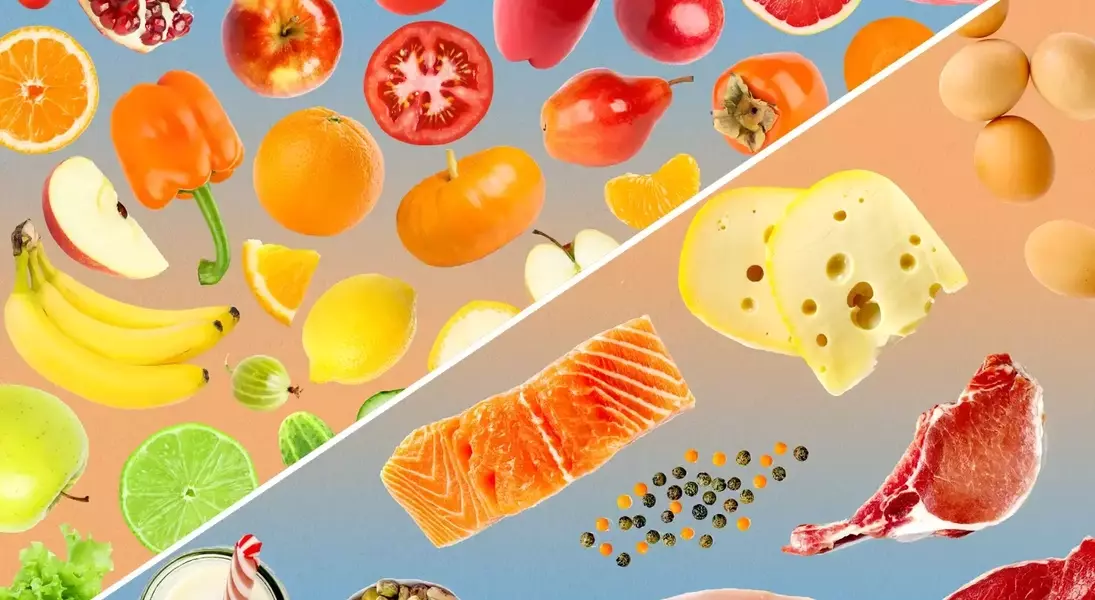
In contemporary dietary discussions, protein often takes center stage, lauded for its role in promoting fullness and supporting muscle development. However, fiber, though less frequently highlighted, is equally indispensable for overall health, contributing significantly to digestive wellness, cardiovascular strength, and the long-term prevention of illnesses. Given the common disparity in consumption—with protein often overemphasized and fiber frequently under-consumed—it can be challenging to determine where to focus one's nutritional efforts. This comprehensive guide will delineate the benefits of both fiber and protein, clarify why they are not mutually exclusive, and offer expert-backed strategies for integrating both into your daily meals.
Protein's prominence in the food industry and among consumers is well-founded. It is a vital nutrient renowned for its profound impact on satiety. Tracy Colin, a registered dietitian, notes that protein's satiating qualities are a primary reason for its widespread appeal, especially considering that a significant portion of the population actively seeks to manage their calorie intake. Scientific studies corroborate this, indicating that meals rich in protein can enhance satiety hormones and subsequently decrease calorie consumption, establishing protein as a dependable aid in appetite regulation.
Beyond appetite control, protein is critical for preserving muscle mass, a factor that becomes increasingly important with age. Samantha Cassetty, another registered dietitian, highlights protein's role in maintaining lean muscle, which is essential for sustaining strength, independence, and metabolic health over time. Research suggests that distributing approximately 25 to 30 grams of protein across each meal can optimize muscle protein synthesis, thereby helping to mitigate age-related muscle deterioration. Furthermore, protein contributes to the production of neurotransmitters, the synthesis of immune cells, and the maintenance of bone density. While protein is undoubtedly crucial, it is important to recognize that most Americans already consume adequate amounts. The challenge lies in optimizing protein distribution throughout the day and selecting sources that support overall health.
Fiber, though often overshadowed, possesses considerable power to enhance well-being. Like protein, it contributes to feelings of fullness, albeit through a different mechanism. Colin explains that fiber slows down digestion, which helps to stabilize blood sugar levels and prevent sudden drops that can lead to cravings. Since fiber is not fully digested, it effectively blunts post-meal blood sugar spikes and prolongs the sensation of repletion. Studies indicate that increasing soluble fiber intake can diminish appetite and reduce calorie consumption, aiding in sustainable weight management.
Beyond its satiating effect, fiber offers unique long-term health advantages that protein cannot fully replicate. Cassetty emphasizes fiber's extensive health benefits, noting that soluble fiber assists in lowering cholesterol by binding to it in the digestive system, while insoluble fiber adds bulk to stool, promoting regular bowel movements. Both types of fiber also nourish beneficial gut bacteria, which in turn support immune function and may reduce inflammation. These positive effects are supported by research, linking high-fiber diets to a reduced risk of heart disease, type 2 diabetes, and certain cancers. Despite these compelling benefits, a large majority of Americans do not meet the recommended daily intake of 25 to 38 grams of fiber. Incorporating more whole grains, legumes, vegetables, and fruits can help bridge this nutritional gap, benefiting both digestive and long-term health.
There is no need to choose between protein and fiber, as these two essential nutrients work in synergy rather than competition. Colin underscores that protein and fiber are partners in promoting health. Protein helps maintain muscle and ensures satiety, while fiber supports digestion and cardiovascular well-being. Both offer distinct health benefits, and for a balanced diet, Cassetty recommends including both nutrients at every meal. Although both are vital, current dietary patterns show that most Americans consume significantly more protein than fiber. National surveys reveal that average protein intake generally exceeds the recommended daily allowance across most age groups, yet 90 to 95% of Americans fall short of the recommended fiber intake. Therefore, a more effective approach involves incorporating both nutrients into the diet, as Colin advises, rather than prioritizing one over the other.
To enhance your dietary intake of both protein and fiber, several practical strategies can be adopted. Begin your day by incorporating protein into breakfast, a meal often lacking in this nutrient; consider adding Greek yogurt to oatmeal or pairing eggs with morning toast. Integrate beans or lentils into existing meals, such as salads, soups, or tacos, to boost both fiber and plant-based protein content. Opt for whole grains like quinoa or farro instead of refined grains, which can provide an additional 3 to 5 grams of fiber per serving. Foods that naturally combine both fiber and protein, such as nuts, beans, and lentils, are excellent choices for simultaneously meeting both nutritional requirements. Furthermore, smart snacking can contribute significantly; pairing an apple with nut butter, enjoying roasted edamame, or keeping a handful of walnuts on hand can add valuable fiber throughout the day. Finally, sprinkling chia, flax, or hemp seeds into oatmeal, yogurt, or even on toast with nut butter can further elevate your fiber intake.
