
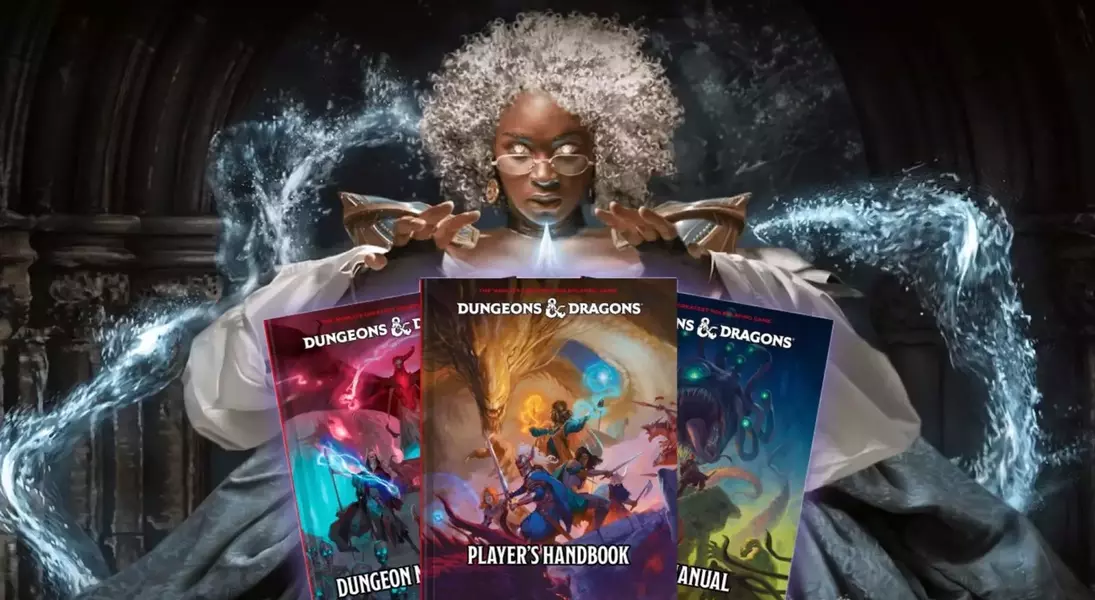
A year after its introduction, the latest iteration of Dungeons & Dragons, commonly known as D&D 2024, has been meticulously examined. Marketed by Wizards of the Coast as a refinement of the fifth edition, rather than a completely new one, the modifications have ignited considerable discussion among long-time enthusiasts. This analysis delves into the released products, the revised fundamental rules, the game's overarching goals, and its degree of backward compatibility. It critically assesses whether the drive towards simplification has genuinely elevated the D&D experience or introduced unforeseen challenges for both new and seasoned players.
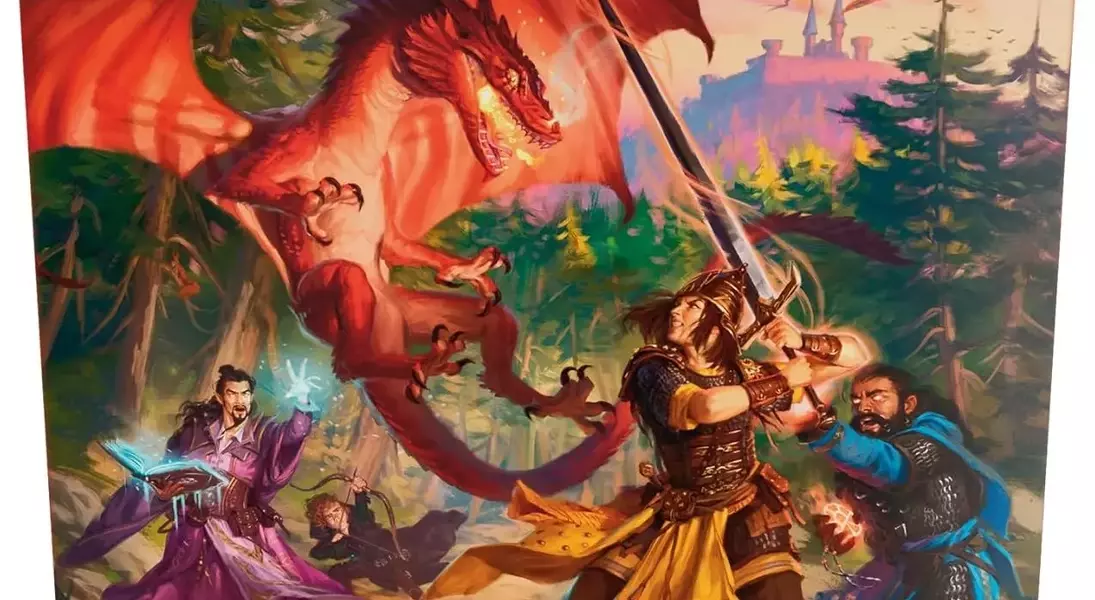
The journey of D&D 2024 began in September 2024, and in its first year, Wizards of the Coast released a total of 12 products, encompassing both physical and digital-only formats. This collection included three core rulebooks, two new starter sets—Heroes of the Borderlands and Stranger Things: Welcome to the Hellfire Club—and an adventure anthology titled Dragon Delves. Additionally, a Forgotten Realms campaign setting was introduced, divided into two volumes: Heroes of Faerûn and Adventures in Faerûn. The Eberron setting also received attention with Forge of the Artificer, which brought the Artificer class to the 2024 rules and expanded its lore. Notably, there was a clear shift from the extensive adventure modules that characterized 5e's success, with no similar large-scale modules appearing for D&D 2024 in its inaugural year. While some digital expansions, like Astarion’s Book of Hungers, were seen as promotional, others like Netheril’s Fall hinted at a new, potentially less engaging adventure design paradigm.
The core rulebooks of D&D 2024 present a mixed bag of innovations and contentious alterations. The Player’s Handbook, the cornerstone of the game, places a heavy emphasis on character classes. One of the most significant changes lies in backgrounds, which now dictate stat modifications and origin feats, a role previously filled by races (now termed species). This design choice has been criticized for potentially forcing players to select backgrounds for mechanical optimization rather than for richer role-playing. Similarly, the 2024 Monster Manual has been streamlined, offering little beyond stat blocks and omitting much of the lore and guidelines for monster creation found in its 2014 predecessor. The Dungeon Master’s Guide, while providing ample advice for novice DMs on session management and campaign creation, is perceived by veterans as lacking the depth and essential resources that made the 2014 version invaluable, reflecting a broader 'design by subtraction' philosophy.
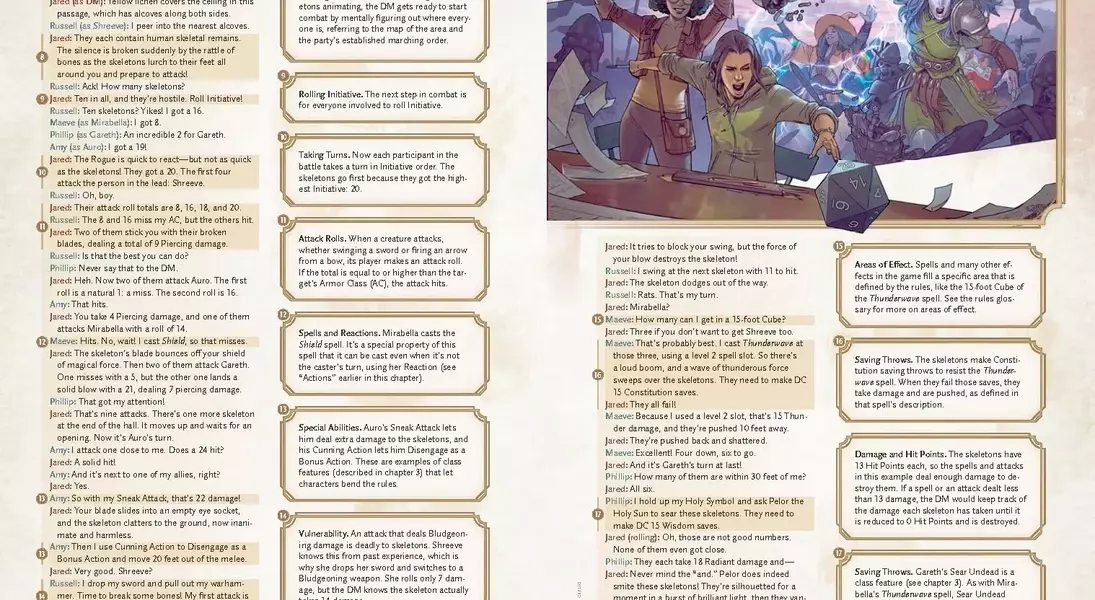
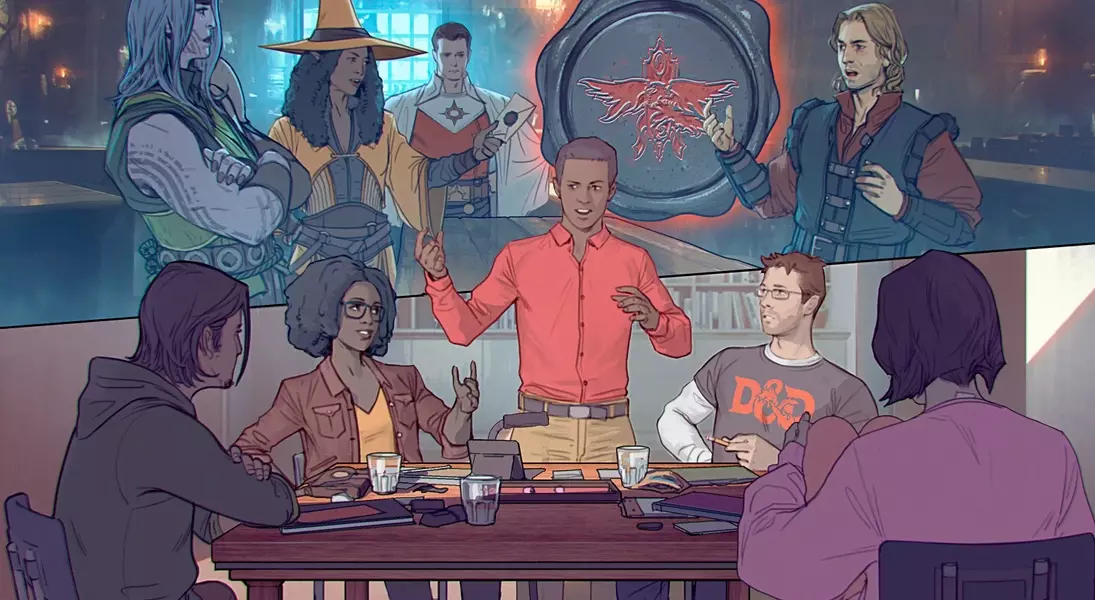
D&D 2024 appears to pursue two primary goals: expanding its player base and simplifying gameplay. The introduction of starter sets inspired by popular culture like Stranger Things and Baldur’s Gate 3 aims to attract new players. However, the interpretation of "easier" gameplay has alienated many experienced players. The design choices, particularly concerning class abilities, feats, and encounter balancing, seem to prioritize player empowerment, often at the expense of challenging DMs. For example, the Magic Initiate feat now allows any character to access cantrips and a first-level spell, blurring traditional class roles and making it harder for DMs to create meaningful challenges. The new Weapon Mastery rules, intended to enhance melee combat, are currently unbalanced and easily exploited. This "make it easier" approach extends to narrative elements, encouraging DMs to offer more hand-holding for players, a stark contrast to the player agency fostered by previous editions. The prevalence of linear, one-page adventures, often consisting of sequential fights, in place of the expansive adventure modules of 5e, further illustrates this shift towards a more simplified and directed experience.
Despite claims of backward compatibility, D&D 2024 faces challenges in integrating with its 5e predecessor. While it's possible to run 5e campaigns using the new 2024 core rulebooks, the transition isn't seamless. Significant changes to character classes mean that DMs must re-evaluate threats and encounters, as many character abilities have been boosted. The absence of certain subclasses in the 2024 rules can lead to awkward interactions if players attempt to combine them with new rules. Furthermore, modifications to monster stat blocks necessitate updating 5e monsters to the new rules, making direct usage difficult. Spells have also undergone a major overhaul, with numerous spells redesigned or reworked, impacting gameplay balance and the effectiveness of classic spellcasting strategies. This suggests that D&D 2024, despite being branded as an update, functions more like a new edition, demanding considerable adaptation from players and DMs who wish to blend elements from both versions.
Ultimately, D&D 2024 struggles with a cohesive identity, appearing as an attempt to simplify an already streamlined game. While the 5e's loose rules allowed for creative freedom, the new iteration, in its quest for accessibility, has introduced new balance issues and altered the game's core feel. For newcomers, this accessibility might be a welcome entry point, with simplified adventures and detailed guidance for DMs. However, for seasoned players and Dungeon Masters, the question remains whether this simplification truly enhances the gameplay or if something valuable has been lost in the process. A year into its release, D&D 2024 has clearly charted a different course, but its long-term impact on the D&D community and the overall quality of the game is still unfolding.
