
This analysis focuses on the visual presentation of a classic role-playing game, specifically examining the contrasting box art designs for its North American and Japanese releases. It offers insights into regional aesthetic preferences and the artistic contributions of a renowned creator.
Unveiling the Visual Legacy: Dragon Quest II's Iconic Covers
Exploring the "Box Art Brawl" Series
Welcome to another edition of our ongoing series, "Box Art Brawl," where we pit iconic game covers against each other to determine which rendition reigns supreme. This time, we turn our attention to an early installment in a legendary RPG franchise.
The Legacy of Dragon Quest II
As the highly anticipated sequel, "Dragon Quest XI S: Echoes of an Elusive Age - Definitive Edition," prepares for its debut on the next-generation Switch console, we revisit its predecessor, "Dragon Quest II" (known as "Dragon Warrior II" in some regions). For this particular confrontation, we'll be examining the distinct North American and Japanese cover designs, as no European version was released.
The North American Artistic Approach
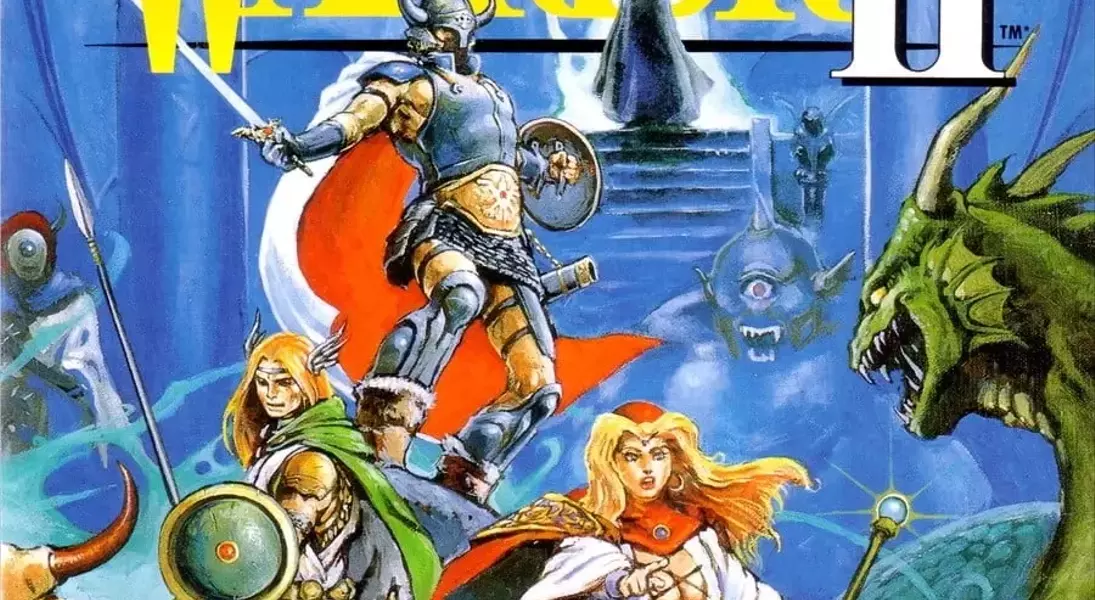
The North American cover art for this classic RPG embraces a traditional fantasy aesthetic. While it might appear somewhat dated when viewed through a contemporary lens, its charm lies in its hand-drawn depiction of three heroic figures confronting formidable, scaly adversaries. The composition, featuring a prominent dragon, dynamic action poses, and a mysterious background presence, was undoubtedly designed to captivate players browsing store shelves.
The Japanese Artistic Vision
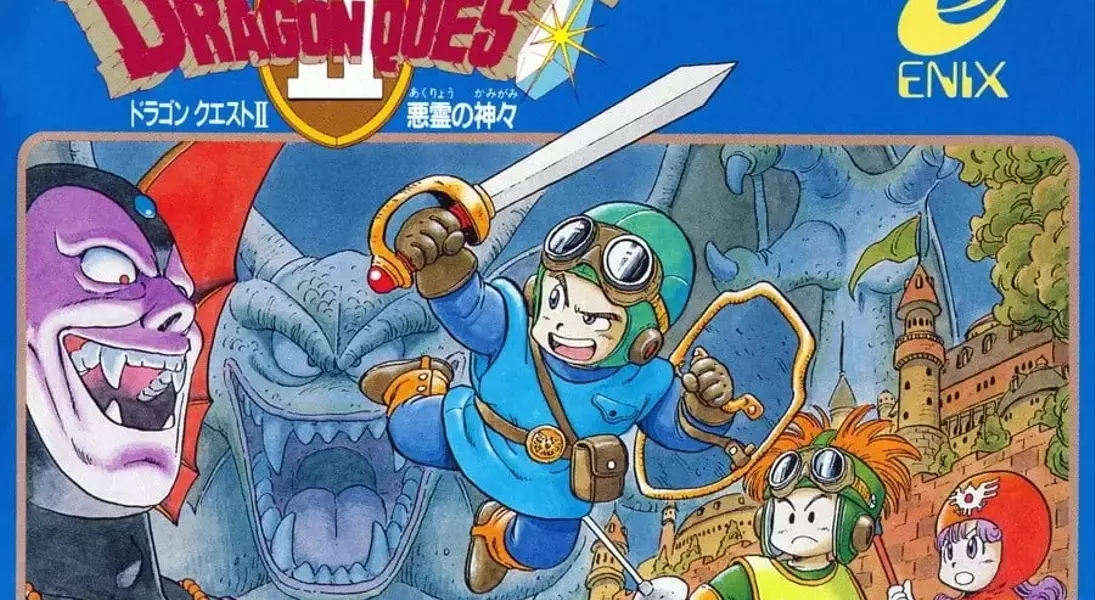
In stark contrast, the Japanese cover offers a vastly different artistic interpretation, showcasing the undeniable talent of the late, great Akira Toriyama. This rendition departs from the North American cover's realism, instead adopting Toriyama's characteristic soft and stylized illustrations. The design is visually striking, with a notable detail being the central hero's sword extending beyond the confines of the frame.
