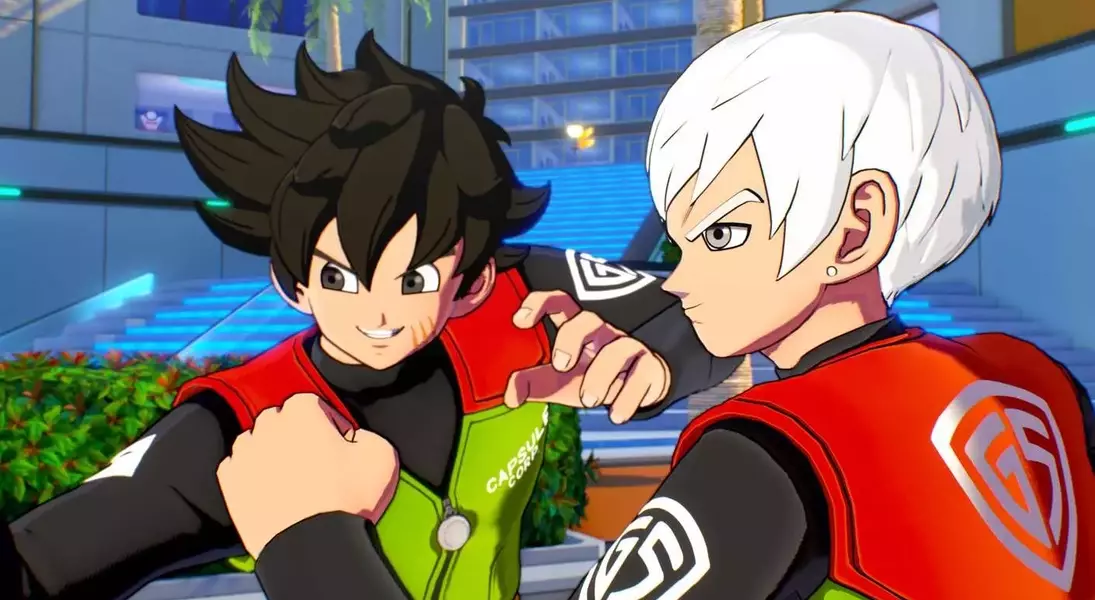
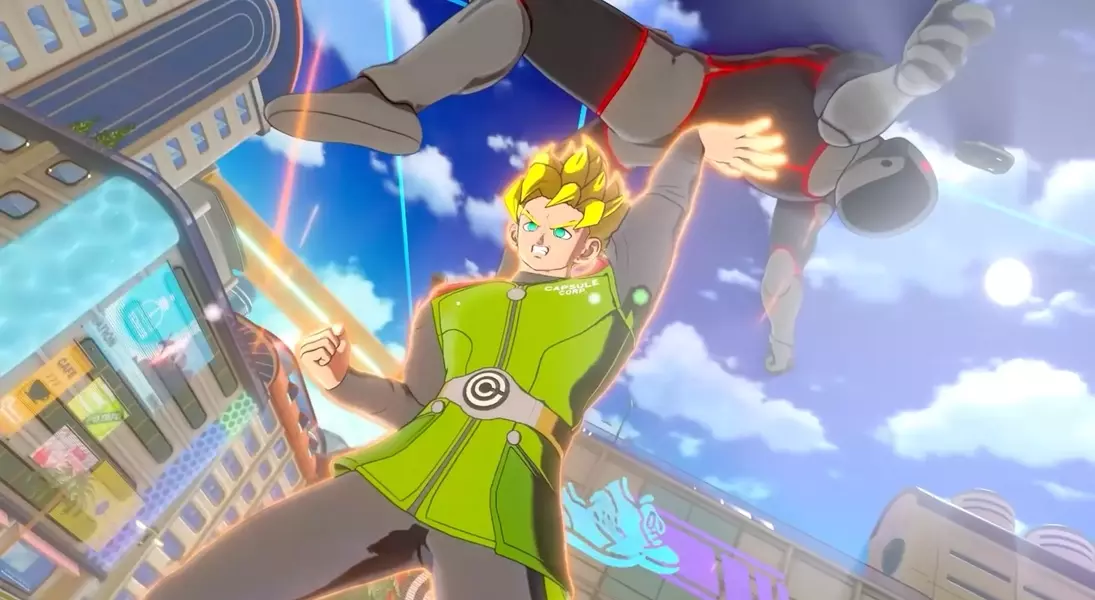

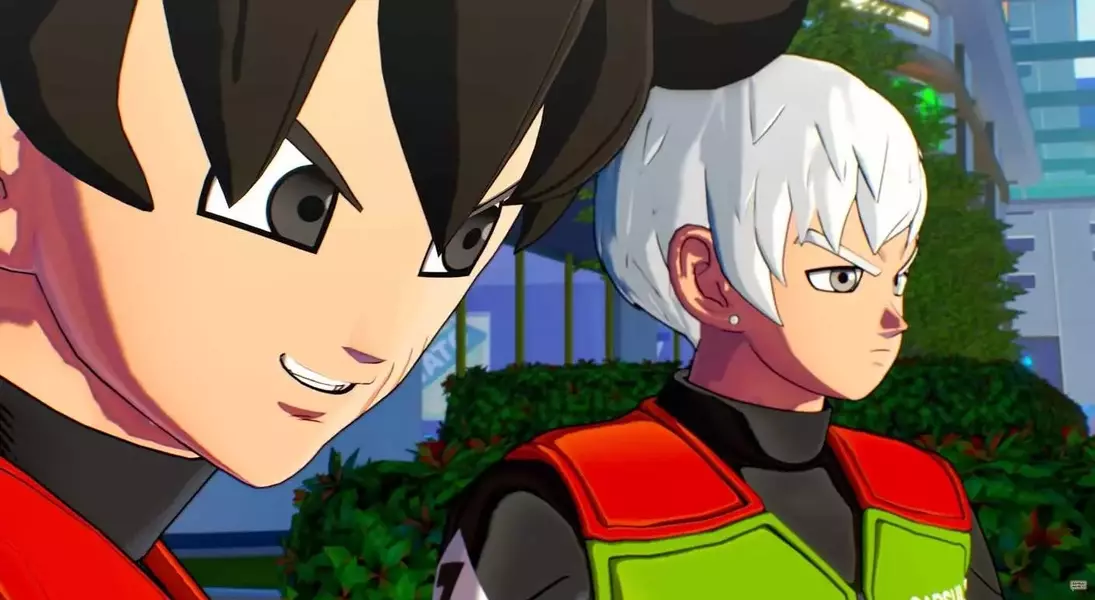
Bandai Namco has recently released the first significant gameplay footage for the upcoming action RPG, Dragon Ball Xenoverse 3, a title eagerly anticipated since its January reveal. This new trailer introduces several innovative gameplay elements, including 'Soul Assists' and 'Soul Switch,' which empower players to summon legendary Dragon Ball figures like Vegeta for aid or even temporarily assume their forms. Nonetheless, a notable alteration to the 'Awakening' state, the game's equivalent of transforming into a Super Saiyan, has become a point of contention. This powerful transformation is now subject to a time limit, a decision that has generated considerable dissatisfaction within the passionate Dragon Ball fan community.
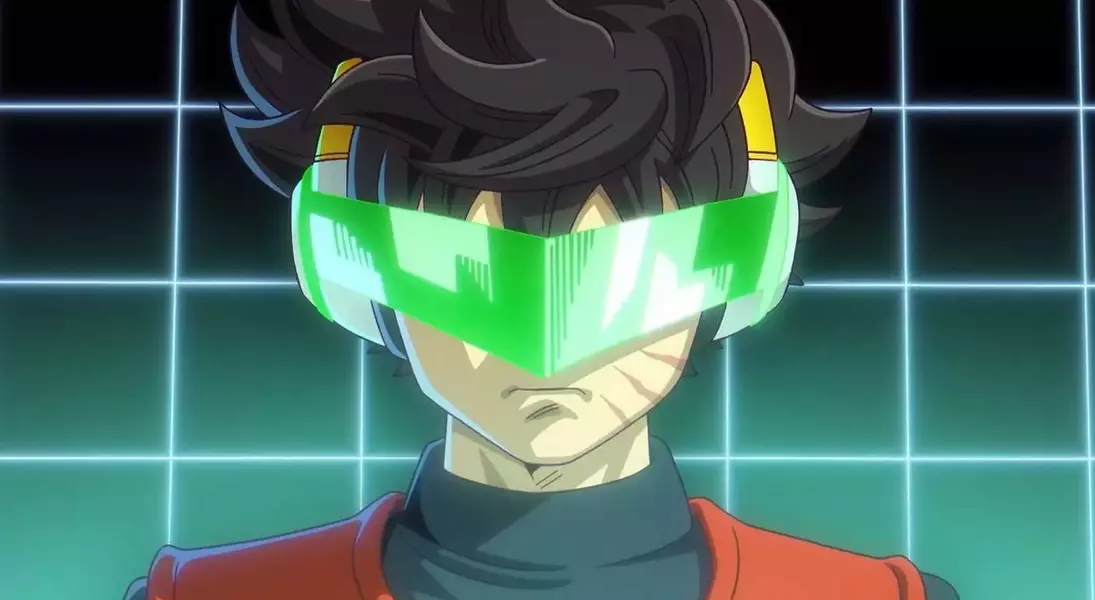
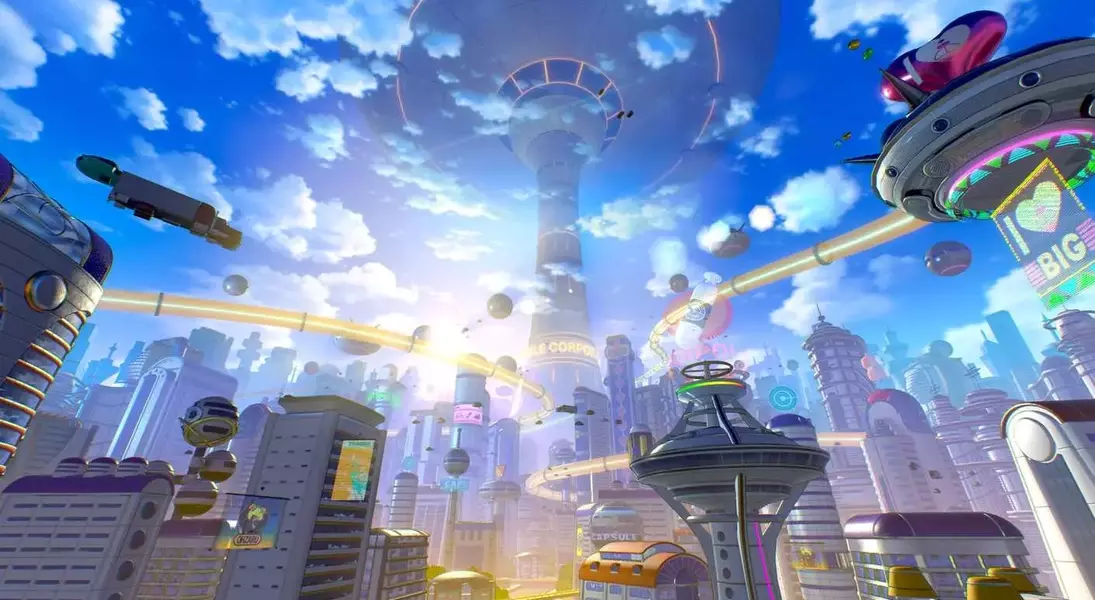
Set within the novel 'Age 1000' of the Dragon Ball universe, which chronologically follows the main series, the game centers on a customizable player avatar. The trailer demonstrates the avatar, named J. Age (a nod to fans' early nickname for the character), navigating a personalized apartment before venturing into a bustling online hub. The core combat mechanics appear familiar, retaining elements such as light and heavy attacks, boost chases, and the use of 'Supers' and 'Ultimates' with varying cooldown periods. The newly introduced 'Soul Assist' allows players to call upon iconic characters, while 'Soul Switch' grants the ability to temporarily play as these allies, each possessing unique abilities and faster cooldowns. However, the most significant change, the temporary nature of the Awakening mode, has led many fans to express their dismay, arguing that it detracts from the continuous power-up experience offered in previous installments. The community's strong negative reaction suggests a collective desire for developers to reconsider this design choice before the game's projected 2027 release on PlayStation 5, Windows PC, and Xbox Series X.
Introducing Dynamic New Combat Mechanics
The latest gameplay reveal for Dragon Ball Xenoverse 3 showcases innovative combat mechanics designed to enhance player engagement and strategic depth. Among these are the 'Soul Assists,' which enable players to summon iconic Dragon Ball characters, such as Trunks and Vegeta, to provide temporary support during battles. This feature allows for dynamic mid-combat assistance, adding a layer of tactical choice as players can leverage the unique abilities of these legendary fighters. Coupled with 'Soul Switch,' players gain the exciting ability to temporarily embody their chosen assist character, complete with their distinct skill sets and potentially faster ability cooldowns. These additions aim to enrich the gameplay experience by offering varied combat strategies and deeper connections to the beloved Dragon Ball universe.
The integration of Soul Assists and Soul Switch represents a significant evolution in the Xenoverse series' combat system. Players can now strategically deploy their favorite characters to turn the tide of battle, whether it's through powerful attacks or supportive maneuvers. The ability to directly control these characters for a limited duration further deepens the gameplay, allowing players to experiment with different fighting styles and unique moves that their main avatar might not possess. For instance, the trailer highlights J. Age transforming into Trunks, who exhibits enhanced speed and reduced cooldowns. These mechanics not only offer a fresh take on team-based combat but also immerse players more deeply into the Dragon Ball narrative by allowing them to directly interact with and control its most famous heroes, providing a more versatile and exciting combat experience that deviates from the traditional singular character focus.
Fan Discontent Over Limited Awakening Mode
A major point of contention revealed in the Dragon Ball Xenoverse 3 gameplay footage is the controversial alteration to the 'Awakening' mode, the iconic power-up state (like Super Saiyan for Saiyans). Unlike its predecessors, this potent transformation is now time-limited, granting the player character temporary boosts rather than a sustained power increase. This change has triggered a strong negative response from a substantial portion of the fan base, who view it as a backward step from the continuous transformations enjoyed in previous Xenoverse titles. Many fans fear that this limitation will diminish the sense of power and freedom associated with these transformations, impacting both gameplay strategy and the overall player experience.
The community's dissatisfaction stems from the perceived reduction in strategic depth and the breaking of immersion caused by the temporary nature of Awakening. In earlier games, maintaining a transformed state was a core part of the gameplay, allowing players to unleash their full power for extended periods. With the new 60-second limit, as shown for Saiyans like J. Age, fans argue that the transformation becomes a mere burst ability rather than a sustained state of heightened power. This shift is seen by many as detrimental to the series' established mechanics and the very essence of the Dragon Ball experience. Fans are actively calling for Bandai Namco and the development team to listen to their feedback and revert this change, drawing parallels to past instances where strong community pressure influenced game development decisions. The game's 2027 release date offers a window for potential adjustments, but the current sentiment highlights a significant disconnect between developer vision and fan expectation.
