


The football world is currently witnessing a striking narrative unfold at Paris Saint-Germain, centered around their acclaimed goalkeeper, Gianluigi Donnarumma. His dramatic shift from a Champions League hero to an unexpected outcast in a span of just three months underscores the volatile nature of professional football. This abrupt turn of events is largely attributed to a change in the club's strategic direction under coach Luis Enrique, who is reportedly seeking a goalkeeper with a different skill set, particularly in ball distribution. This situation raises questions about the long-term implications for both the player and the club. Concurrently, a former Premier League star's legal troubles shed light on issues of criminality within the sport, while fans eagerly anticipate the new Premier League season, expressing varying degrees of optimism.
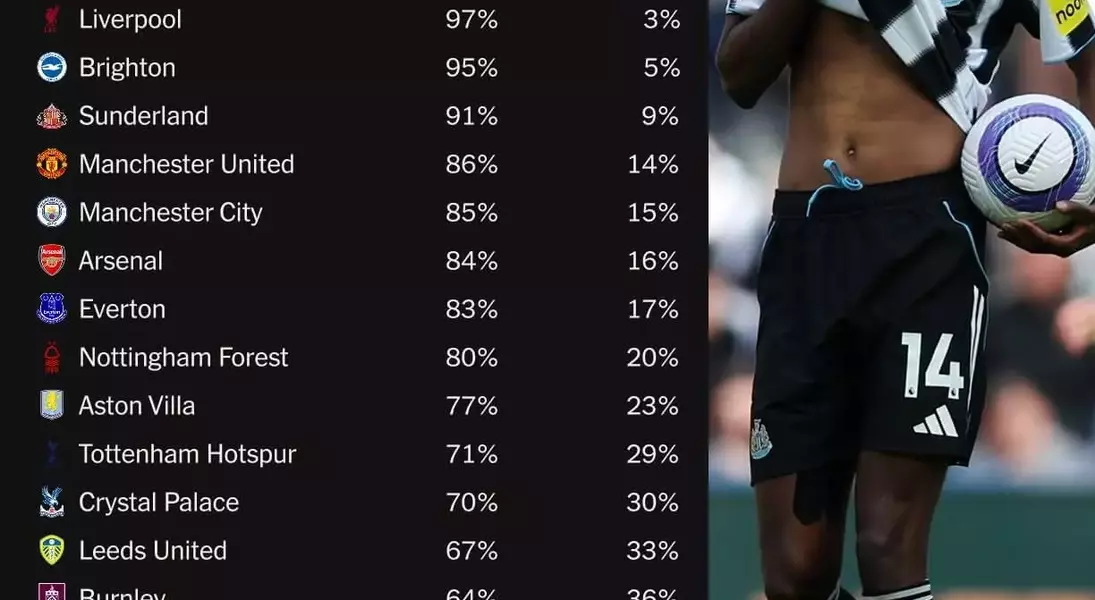
As the football season progresses, the anticipation for the Premier League is palpable, with fan sentiments ranging from fervent hope to cautious pessimism. These emotions are often a direct reflection of their respective clubs' pre-season activities, including transfer window performance and managerial strategies. Such a diverse emotional landscape highlights the unpredictable and passionate nature of football fandom. Moreover, the broader implications of player conduct and club management decisions continue to shape the sport's narrative, emphasizing that success and stability on the pitch are intertwined with prudent decisions off it.
Donnarumma's Unexpected Exit from PSG
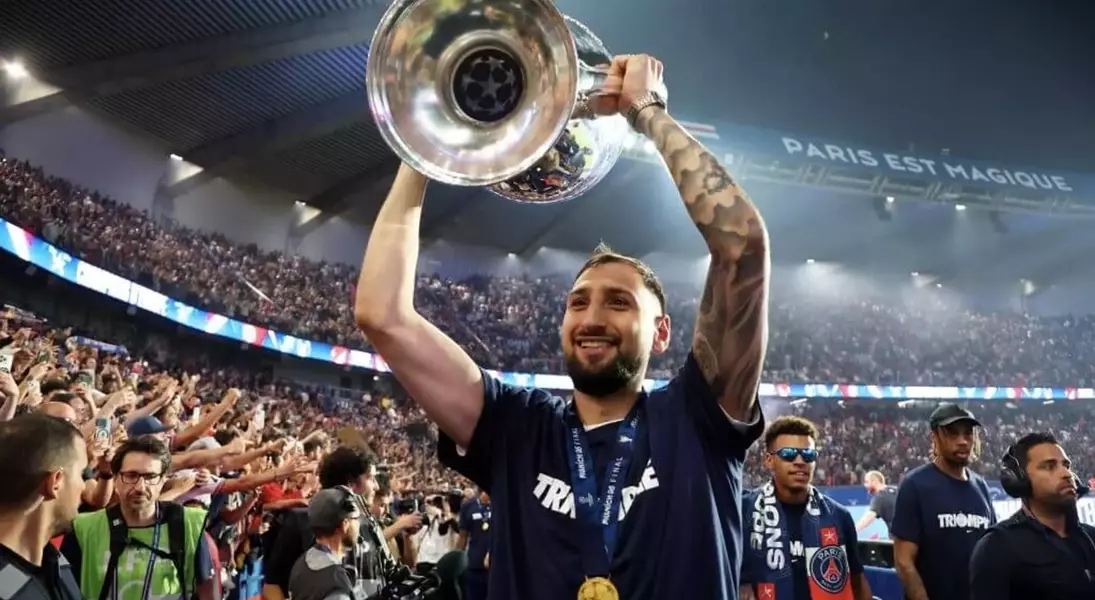
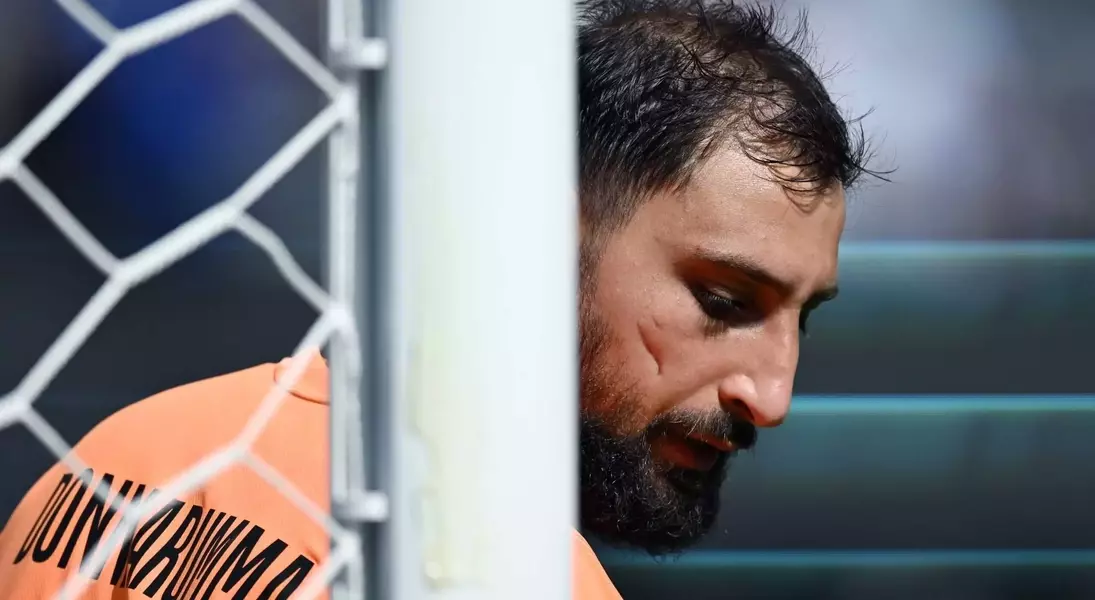
Gianluigi Donnarumma, once hailed for his pivotal role in Paris Saint-Germain's Champions League victory, now finds his future at the club uncertain, just three months after their monumental triumph. His contract, set to expire next year, has become a focal point of speculation, with recent developments strongly suggesting an imminent departure. The situation escalated dramatically when coach Luis Enrique excluded Donnarumma from a crucial UEFA Super Cup match, signaling a decisive shift in the club's goalkeeping strategy. Despite his status as one of the world's top goalkeepers, known for exceptional shot-stopping and penalty instincts, his suitability for Enrique's possession-based system is under scrutiny, indicating a move towards a different profile of player. This rapid fall from grace has stunned many, considering his prime age and recent club contributions.
The core of Donnarumma's predicament lies in Luis Enrique's preference for a goalkeeper with superior ball-playing capabilities, essential for his tactical approach that emphasizes possession and short passing from the back. While Donnarumma is not considered a poor passer, he doesn't meet the specific requirements for seamlessly integrating into this style under pressure. The recent acquisition of Lucas Chevalier, a younger goalkeeper praised for his footwork and ability to act as an 'eleventh outfield player,' further confirms this strategic pivot by PSG. Although Donnarumma expressed disappointment over being sidelined, Luis Enrique's past success in leading the team to a treble last season suggests a calculated, albeit drastic, decision. This move underscores the ruthlessness of elite football, where even a Champions League-winning performance may not guarantee a long-term position if a player's skill set does not align with evolving tactical philosophies.
From Pitch to Prison: The Dark Side of Football
In a sobering turn of events, Ronnie Stam, a former Premier League defender and Dutch title winner with FC Twente, has been sentenced to seven years in prison in the Netherlands for his involvement in international drug smuggling and money laundering. This case is not an isolated incident, following similar convictions of other prominent football figures, including Netherlands international Quincy Promes and former Arsenal forward Jay Emmanuel-Thomas, for drug-related offenses. These cases paint a troubling picture of how individuals from the high-profile world of professional football can become entangled in serious criminal activities, challenging the perception that a career in sports inherently shields one from such pitfalls. The repeated occurrences underscore a darker, less glamorous side of the sport, where the allure of illicit gains can overshadow legitimate career paths.
The details surrounding Stam's conviction reveal a man described by the prosecution as not merely a celebrated footballer, but a significant figure in the drug trade. Despite being cleared of some of the more severe charges, his conviction highlights a disturbing pattern of former athletes leveraging their connections or financial standing for criminal enterprises. The stories of these players, who once enjoyed the adulation of fans and the prestige of top-tier football, now serve as stark warnings. They underscore the critical need for comprehensive support systems within football to guide players through post-career transitions and equip them with the necessary tools to navigate life beyond the pitch, thereby mitigating the risks of them succumbing to criminal temptations. These incidents prompt deeper reflection on the responsibilities of sports organizations in fostering not just athletic talent, but also ethical conduct among their members.
