
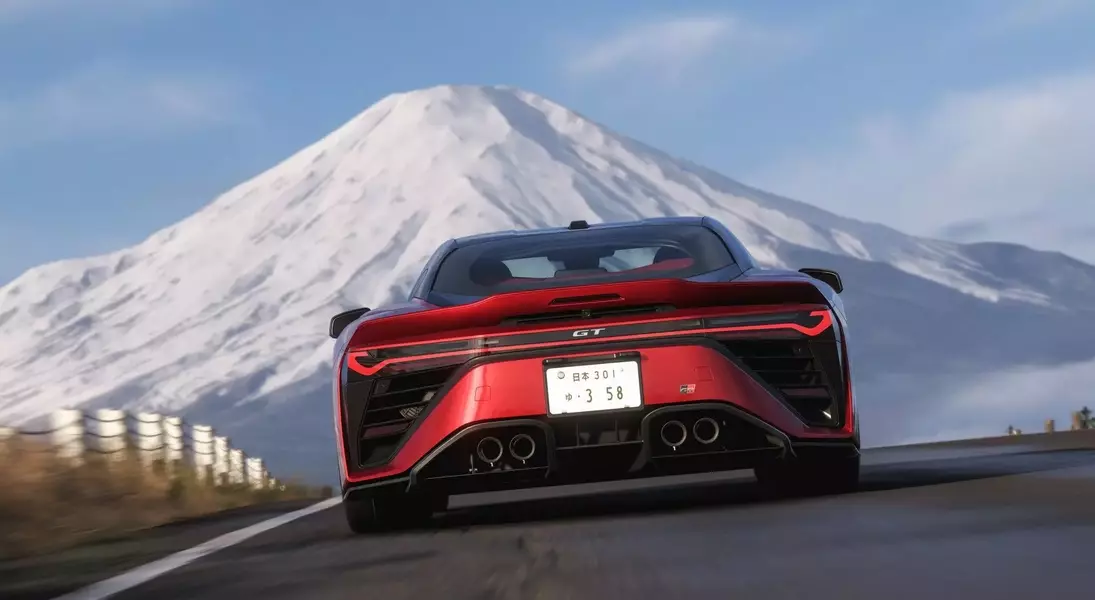
In the expansive realm of virtual racing, the Forza Horizon franchise has firmly cemented its position as a genre titan, arguably second only to the iconic Mario Kart in overall popularity, and unparalleled in the realistic driving game category. The recent release of Forza Horizon 6 has further underscored this supremacy, witnessing remarkable success across platforms such as Steam, Xbox, and Game Pass, with an anticipated PlayStation 5 debut on the horizon. This ongoing triumph is a testament to the series' journey from its humble beginnings in 2012 as a mere offshoot of Forza Motorsport, then striving to keep pace with industry giants like Need for Speed and Gran Turismo, all of which now find themselves eclipsed by Horizon's meteoric rise. While Gran Turismo 7 continues to sell well, it operates in a different sphere, allowing Forza Horizon to dominate its niche with accessible, entertainment-focused gameplay set in stunning open-world environments, complemented by a vast array of meticulously curated real-world vehicles. Developer Playground Games, bolstered by collaboration with Turn 10, maintains an impressive standard of quality, having achieved the rare distinction of four consecutive titles boasting Metacritic scores exceeding 90.
Despite its undeniable success and critical acclaim, the Forza Horizon series faces a unique challenge: a perceived lack of significant innovation. While Playground Games consistently refines and expands upon its established formula, observers note only two major evolutionary steps since its inception: the introduction of comprehensive off-road free-roaming in Forza Horizon 2 and the adoption of a 'live-service-lite' model with seasonal playlists in Forza Horizon 4. This adherence to a winning formula, though effective, can lead to a sense of familiarity, as evidenced by some questioning whether Forza Horizon 6's reception would have been as enthusiastic without the four-and-a-half-year gap since its predecessor. Insights from Gavin Raeburn, a co-founder of Playground Games who departed in 2022, reveal a personal frustration with the perceived resistance to fundamental change within the franchise and the broader Xbox ecosystem. Raeburn, a veteran of Codemasters' racing titles, founded Lighthouse Games, funded by Tencent, with a vision to pioneer 'the next generation of racing games,' promising a leap as transformative as Horizon's original departure from Dirt 2. He contends that an inherent conservatism within large studios, coupled with potential complacency born of success, hinders true innovation, creating an environment where entrenched technology and culture can impede forward progress.
The landscape of racing game development is witnessing a burgeoning movement of former Playground Games talent seeking to disrupt Forza Horizon's long-standing dominance. Beyond Raeburn's Lighthouse Games, another notable studio, Maverick Games—helmed by former Forza Horizon 5 creative director Mike Brown—is developing an open-world racing title with a unique emphasis on narrative, a bold move in a genre traditionally focused on mechanics. These emerging studios, geographically close to Playground Games, are not merely seeking to emulate but to redefine the genre through fresh perspectives and innovative gameplay. Raeburn, confident in his blueprint for the future of racing games, believes his new venture will capitalize on the 'mistakes' of established competitors, including his former team. This burgeoning competition, fueled by a desire for genuine innovation, suggests that while Forza Horizon currently reigns supreme, its unchallenged reign may soon face compelling new contenders aiming to push the boundaries of virtual automotive experiences.
The competitive spirit within the gaming industry, particularly in the racing genre, serves as a powerful catalyst for progress. As established franchises like Forza Horizon enjoy their well-deserved success, the aspirations of new studios and visionary developers to introduce groundbreaking concepts embody the relentless pursuit of excellence. This dynamic tension ensures that the future of racing games will continue to evolve, offering players increasingly diverse, immersive, and thrilling experiences, constantly pushing the limits of what is possible in interactive entertainment.
