




A recent Broadway premiere brought the dramatic tale of the 1972 Gravesend bank robbery, famously depicted in the film “Dog Day Afternoon,” to the August Wilson stage. This theatrical rendition, penned by the acclaimed Stephen Adly Guirgis, captivated a full house, delving into complex themes of gender identity and societal tensions. The play’s leads, Jon Bernthal and Ebon Moss-Bachrach, delivered powerful performances that underscored the original story’s enduring relevance, prompting both critical praise and a lively post-show celebration.
“Dog Day Afternoon” Broadway Opening Shines in New York City
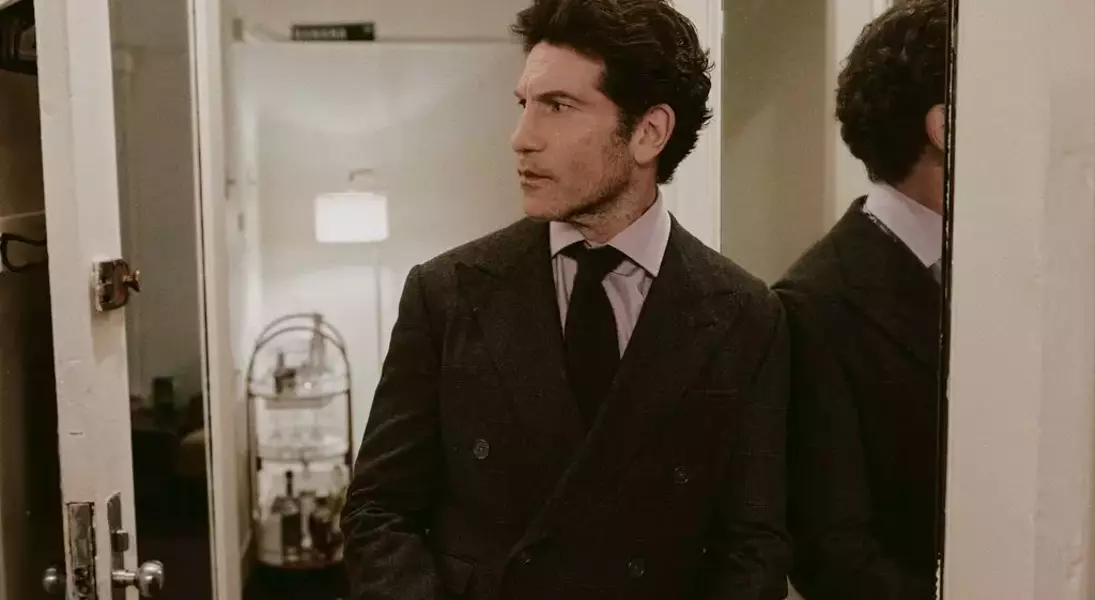
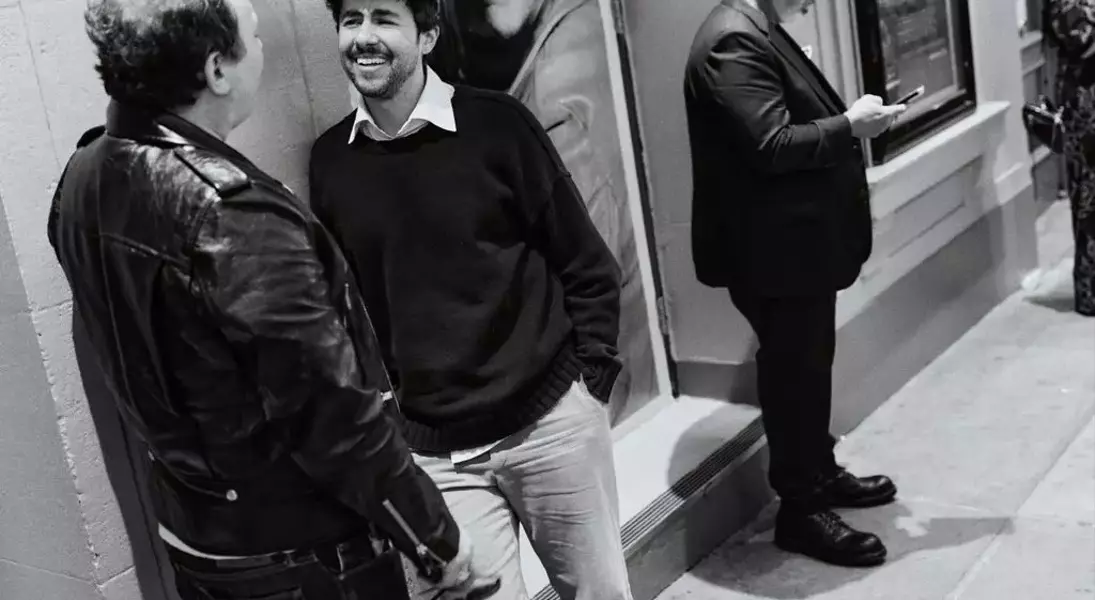
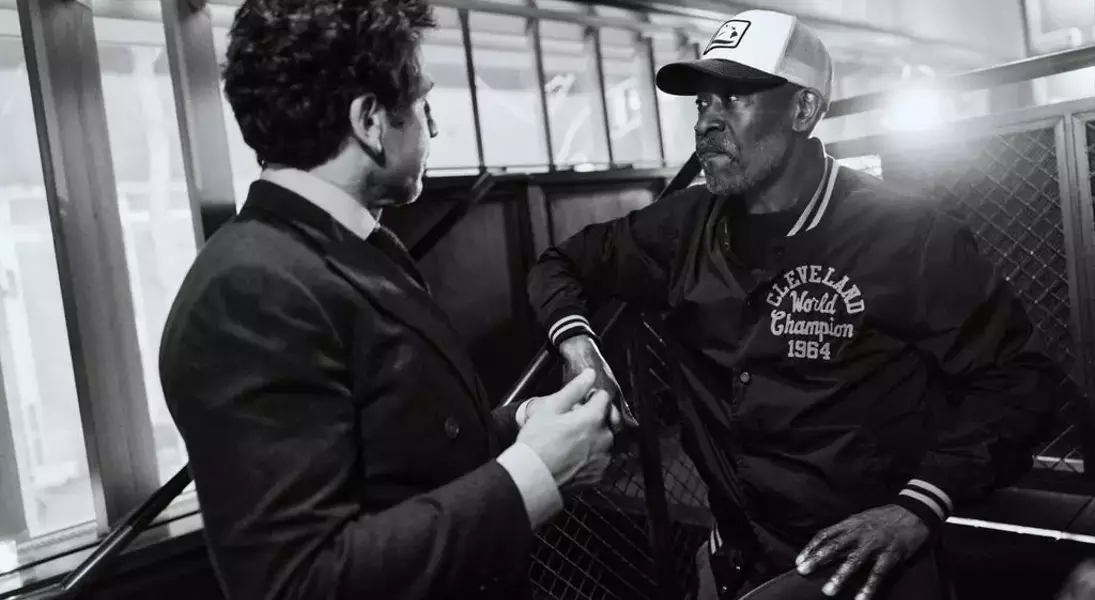
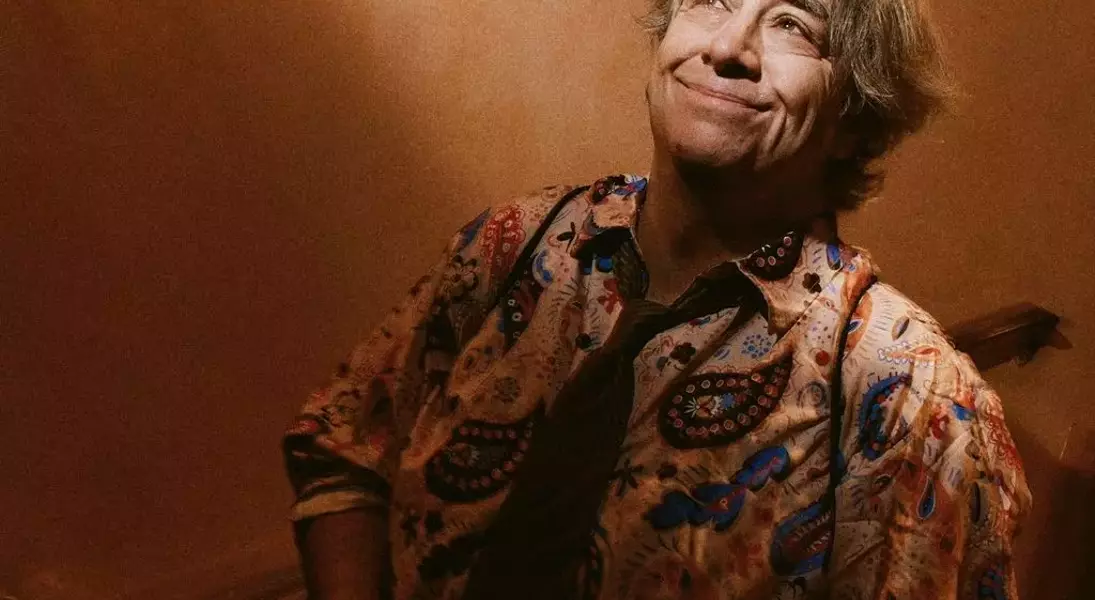
On a balmy evening in New York, theater enthusiasts gathered outside the August Wilson Theatre, eagerly anticipating the Broadway debut of “Dog Day Afternoon.” The production, an adaptation of the 1975 Sidney Lumet film—which itself was inspired by a real-life bank heist—opened to a packed and spirited audience. Many attendees embraced the occasion with 1970s-inspired attire, adding a touch of nostalgic flair to the event. The presence of NYPD officers, managing the flow of traffic, subtly echoed the film's narrative, albeit on a smaller scale. Noteworthy figures from the entertainment world, including Ramy Youssef, Matty Matheson, Don Cheadle, Michael Urie, and Juliana Canfield, were among the distinguished guests.
This marks the Broadway inaugural for actors Jon Bernthal and Ebon Moss-Bachrach, who are already recognized for their collaboration in FX’s “The Bear.” Stephen Adly Guirgis, the celebrated playwright responsible for this adaptation, reportedly dedicated numerous all-nighters during previews to fine-tune the script, ensuring its compelling impact. Despite whispers of off-stage disagreements, the theatrical tension remained strictly within the performance itself.
Guirgis’s adaptation largely honors the original film, at times even aligning more closely with the actual historical events. While the pervasive heat and sweat of the on-screen standoff were not replicated, the theater's cooler environment allowed the characters' raw emotions and vocal intensity to burn brightly, effectively portraying the protagonists’ ill-preparedness for such a high-stakes endeavor. In this version, Sonny's motives are deliberately ambiguous through the initial act. He orchestrates the robbery with a showman’s flair, while Sal, his socially awkward yet endearing accomplice, oscillates between aggressive and self-destructive tendencies. Bernthal, in a simple white V-neck, skillfully conveyed his character’s volatility, his neck muscles visibly tensing with rising temper, and his language unapologetically colorful. Hecht’s character, Colleen, the head bank teller, bravely asks Sonny to moderate his speech, to which he retorts, “This is Brooklyn, Colleen, not Mister Rogers’s Neighborhood.”
The second act reveals the true heart of Sonny’s actions. After the media sensationalizes the duo as “avowed homosexuals,” it comes to light that Sonny is committing the crime for his wife, Leon, a transgender woman. His aim is not personal enrichment, but to fund Leon’s gender-affirming surgery. Moss-Bachrach delivers a nuanced, emotionally charged performance as Sal, who vehemently rejects the media’s label, exclaiming, “I ain’t no homosexual, Sonny!” Like its cinematic predecessor—praised for Al Pacino’s portrayal of a queer man and its inclusion of a transgender character—this play thoughtfully explores the political dimensions of queerness and police brutality. These themes, five decades on, retain their acute relevance. In a powerful moment mirroring the film, Bernthal’s character shouts “Attica!”—a reference to the tragic 1971 prison rebellion—and a significant portion of the 2026 audience joins in, a stark reminder of ongoing societal struggles.
Following a standing ovation, the cast and guests proceeded to an expansive event space downtown for a celebratory gathering. Here, attendees enjoyed wine and Sicilian-style pizza, a nod to Sonny’s demand for pizza in the original movie. Dum-Dums lollipops, a classic banking treat, were also abundantly available, nestled in baskets on every table. A window at the venue offered a view into a courtyard, where a grainy, silent video of Bernthal and Moss-Bachrach, dressed in period costumes, wandered through 1970s New York streets. Even without dialogue, their electric chemistry as partners in crime was palpable, leaving guests to ponder whether they might even find themselves sympathizing with the fictional bank robbers.
This adaptation of “Dog Day Afternoon” serves as a powerful reminder of how art can transcend time, offering fresh perspectives on societal issues while honoring its origins. The play's courageous exploration of gender identity, prejudice, and systemic injustices compels audiences to reflect on the progress made—or not made—in the intervening decades since the original events. It underscores the enduring power of storytelling to foster empathy and critical thought, challenging viewers to consider the complex motivations behind human actions and the societal forces that shape them. The resonant themes and masterful performances leave a lasting impression, prompting a deeper understanding of both historical events and contemporary struggles.
