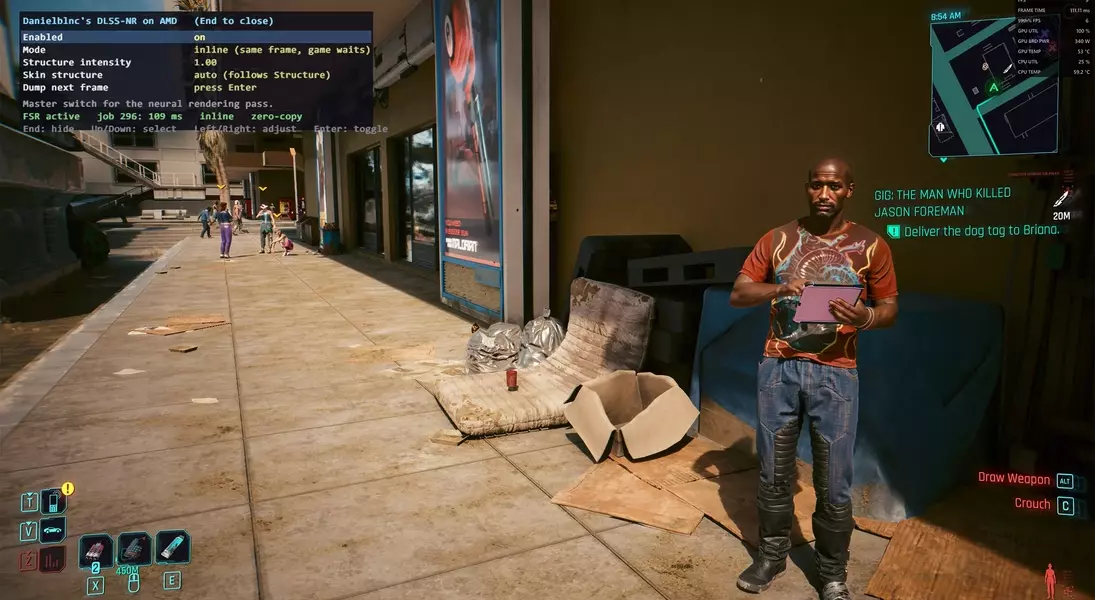
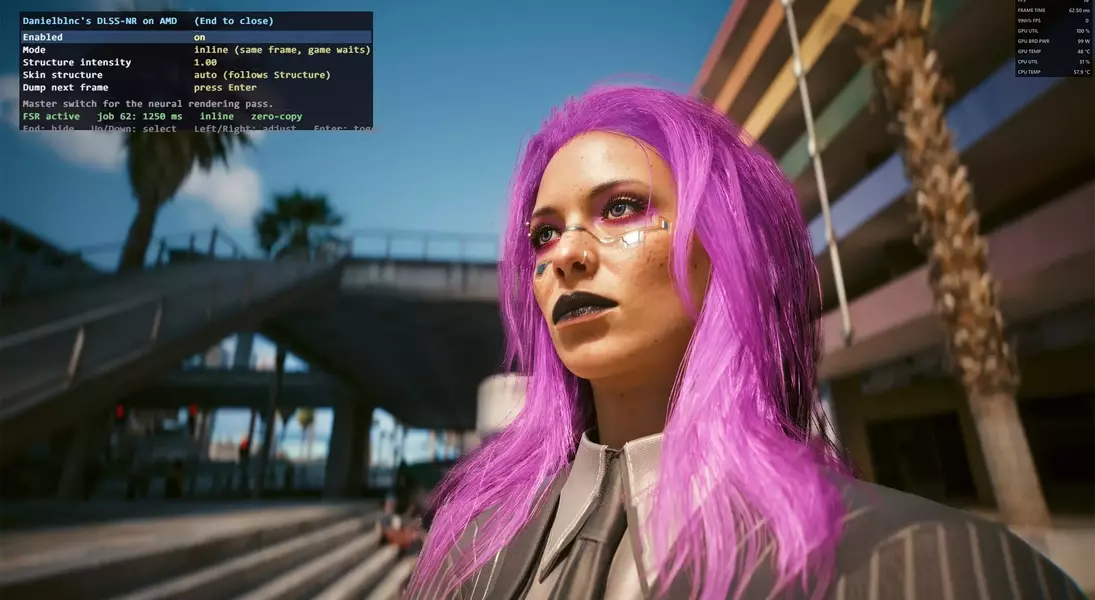
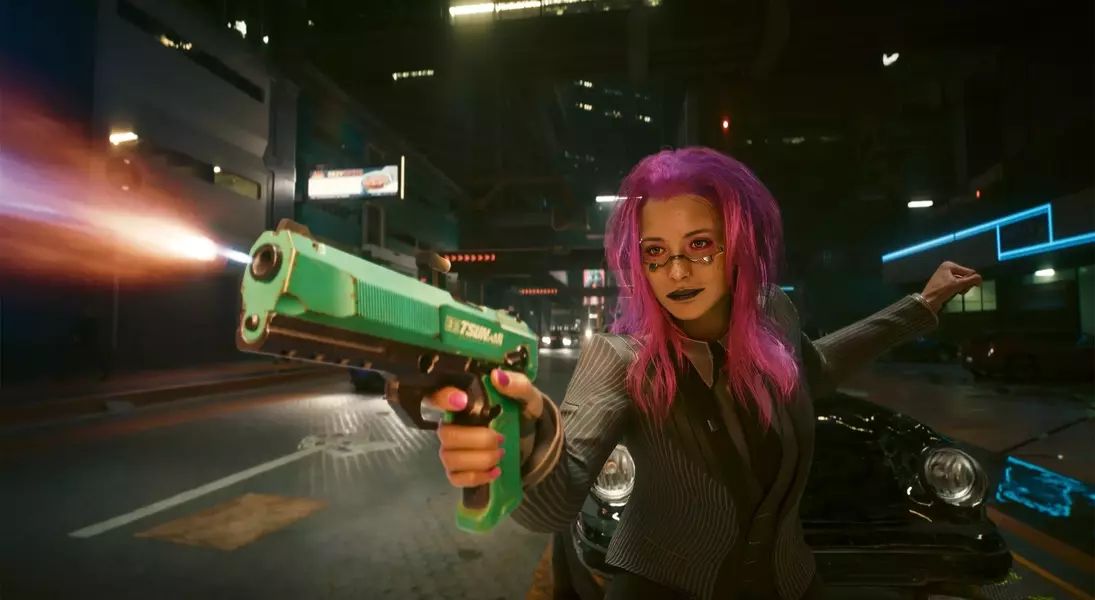
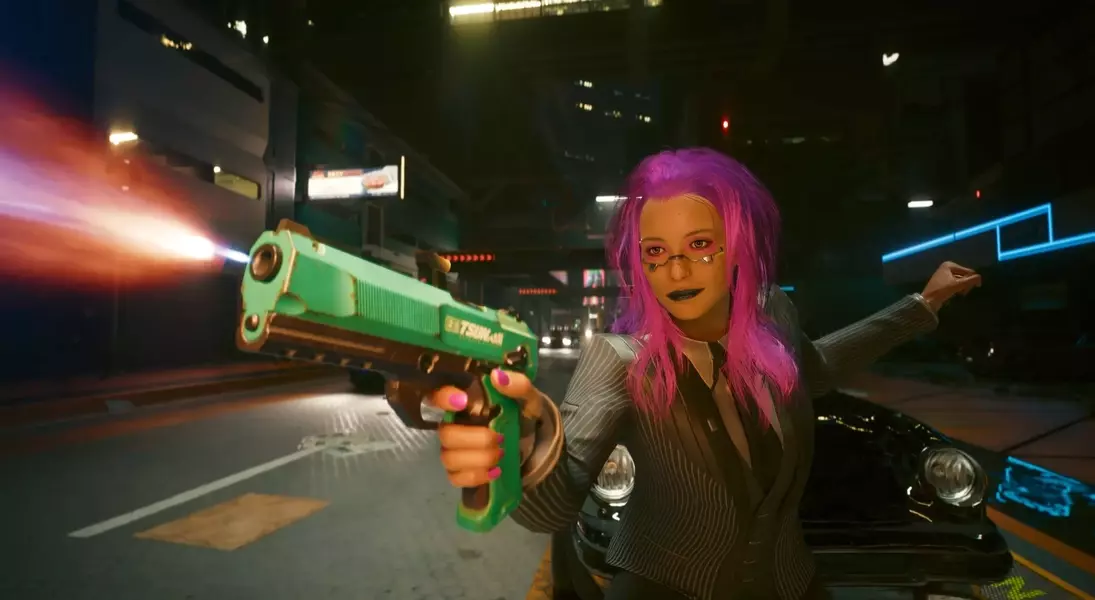
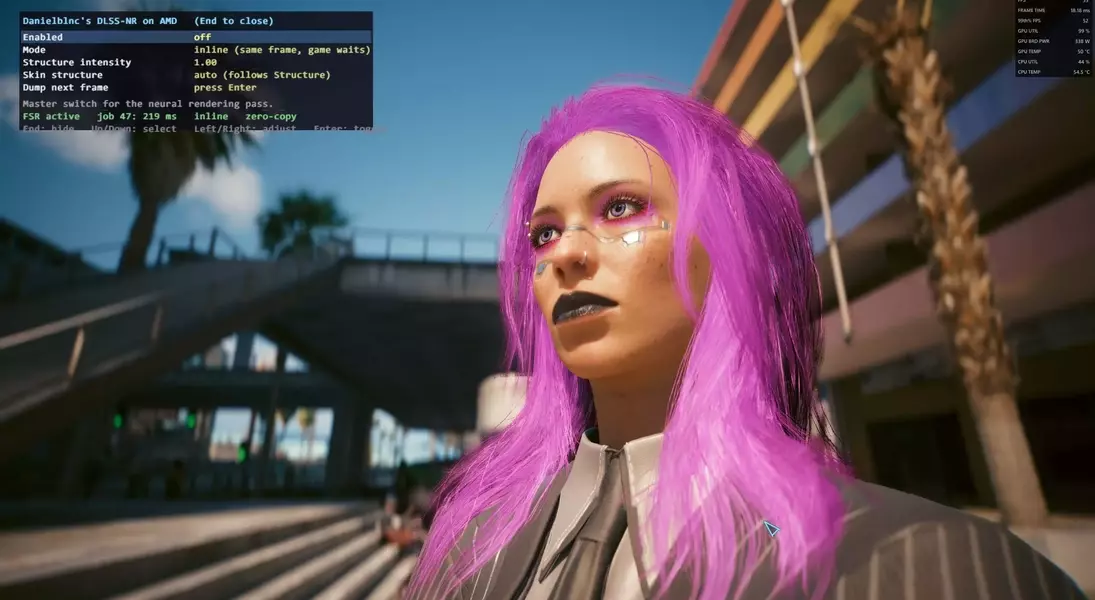
A recently developed unofficial application now enables owners of AMD graphics cards to utilize Nvidia's DLSS Neural Rendering feature. This innovation, originating from community efforts, showcases the capability of running this advanced rendering technology on non-Nvidia hardware. Despite the successful implementation, initial tests reveal a substantial performance reduction on AMD GPUs, particularly when running demanding titles.
The journey to bring DLSS 5 to AMD GPUs began with modders extracting .dll files from an early version of a popular sports game. This led to the creation of tools that allow the feature to function in various games, even those lacking native DLSS support. The author's personal experience, including experimenting with the technology in a football management simulation, highlights the unexpected versatility of these modifications. However, the technical hurdles are considerable. The process of integrating the custom application, such as 'DLSS-NR-on-AMD' from a GitHub developer, into games like Cyberpunk 2077 was fraught with challenges, including software conflicts, driver issues, and system instability. After persistent troubleshooting, the feature eventually became operational, albeit with caveats.
While the visual fidelity gains from DLSS Neural Rendering are evident, the performance cost on AMD hardware is currently prohibitive. During tests in Cyberpunk 2077 at 4K resolution with Ray Tracing Ultra settings, activating DLSS Neural Rendering caused frame rates to drop drastically, from a playable 61 frames per second (with FSR 4 Balanced) to a mere 9 frames per second. This 85% performance decrease underscores the significant computational demands of the technology and the current limitations of AMD's RDNA 4 architecture, which lacks the dedicated tensor cores found in Nvidia's RTX series designed for such calculations. Although community efforts have shown marginal performance improvements in subsequent versions of the mod, a fundamental hardware disparity suggests that achieving viable frame rates for DLSS Neural Rendering on current-generation AMD GPUs remains a significant hurdle. Nevertheless, the ability to even run this feature is a testament to the ingenuity of the modding community and paves the way for potential future cross-platform compatibility as hardware evolves.
The relentless pursuit of innovation within the PC gaming community continually pushes the boundaries of what is possible. This endeavor, while revealing current hardware limitations, inspires further development and demonstrates the power of collaborative problem-solving. It reminds us that progress often emerges from unexpected places, driven by passion and a commitment to unlocking new experiences for all.
