
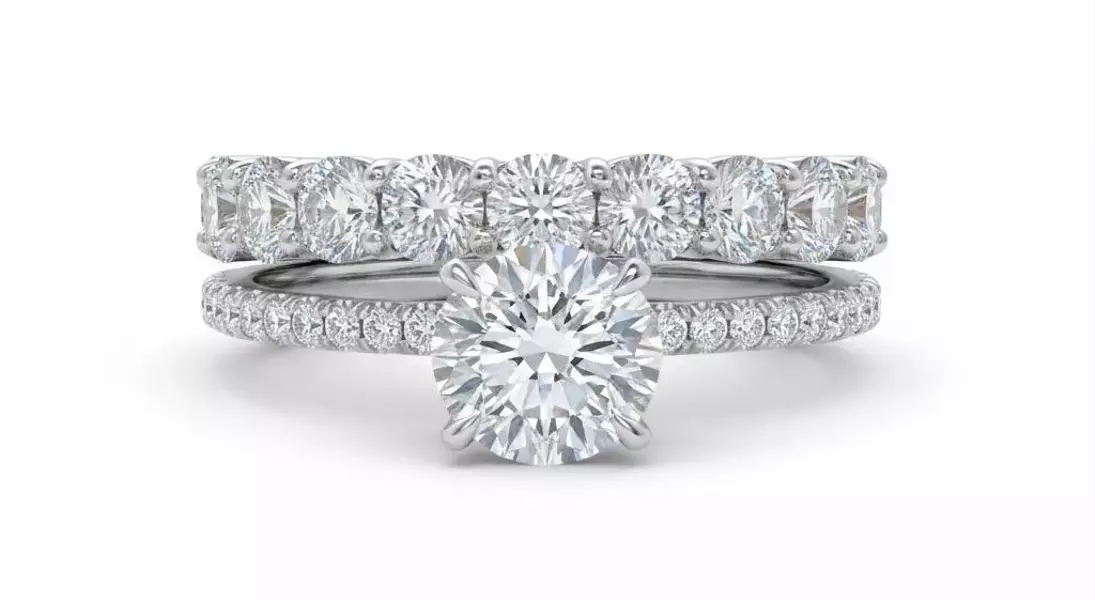
In an evolving cultural landscape, the concept of divorce is undergoing a profound redefinition. No longer solely viewed as an ending, it is increasingly being embraced as a catalyst for new beginnings and personal empowerment. This shift is beautifully encapsulated in the rising trend of 'divorce rings' – bespoke pieces of jewelry that symbolize freedom, resilience, and a renewed commitment to oneself. Jewelers worldwide are observing a surge in demand for these symbolic adornments, with many clients opting to repurpose existing marital jewels or commission entirely new designs that reflect their journey of self-discovery post-separation. This phenomenon marks a departure from traditional sentiments, emphasizing individual strength and a celebratory embrace of one's future.
The Evolving Narrative of Post-Marital Adornments
In the vibrant city of London, at Annoushka Ducas’s renowned boutique, evenings often witness gatherings of women, not to commemorate engagements, but to joyfully mark the finalization of divorce decrees. These unique events, dubbed 'divorce ring parties', bring together legal professionals and their clients to celebrate newfound independence. Ducas, who has hosted these gatherings for three years, notes the atmosphere is one of laughter and solidarity, fostering a supportive community among those navigating similar life changes.
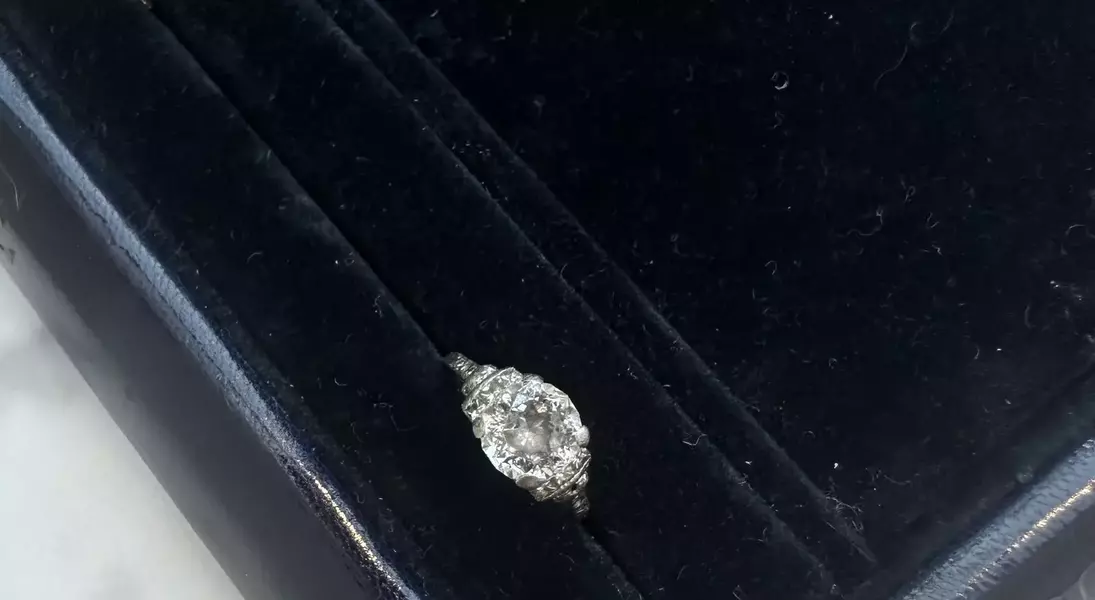
This growing inclination towards divorce rings has been significantly amplified by high-profile figures. In March 2024, model and actress Emily Ratajkowski famously unveiled her divorce rings, crafted by Alison Lou. These two platinum and 18-carat rings ingeniously incorporated the pear-shaped and princess-cut diamonds from her previous 'toi et moi' engagement ring, symbolizing a separation into complementary yet distinct entities. Alison Chemla, the brand's founder, highlighted that the design inherently reflected the idea of separation while creating something beautiful and new.
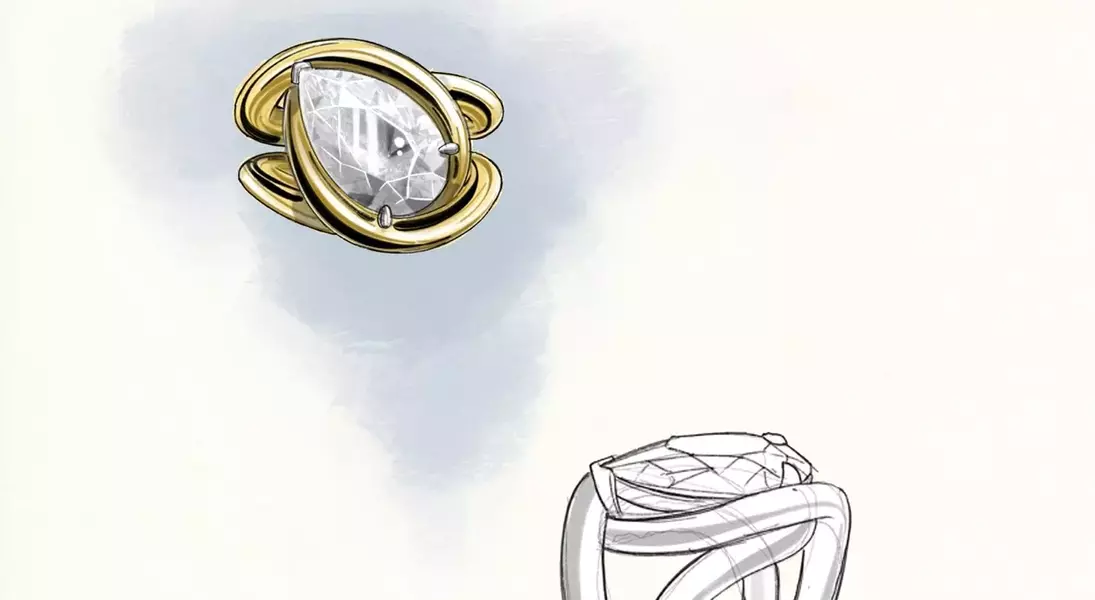
Similarly, celebrity stylist Rachel Zoe, in January, celebrated her split from Rodger Berman with a magnificent three-stone divorce ring from Ring Concierge, transforming her original cushion-cut diamond halo engagement ring. Dr. Barbara Sturm, a prominent dermatologist, even commissioned her Jessica McCormack divorce ring before her separation from Adam Waldman was finalized, emphasizing that the decision to move forward often precedes the official paperwork. Her Instagram reveal in October 2025 showcased a chunky twisted gold ring with a pear-shaped diamond, openly crediting Ratajkowski as her inspiration.
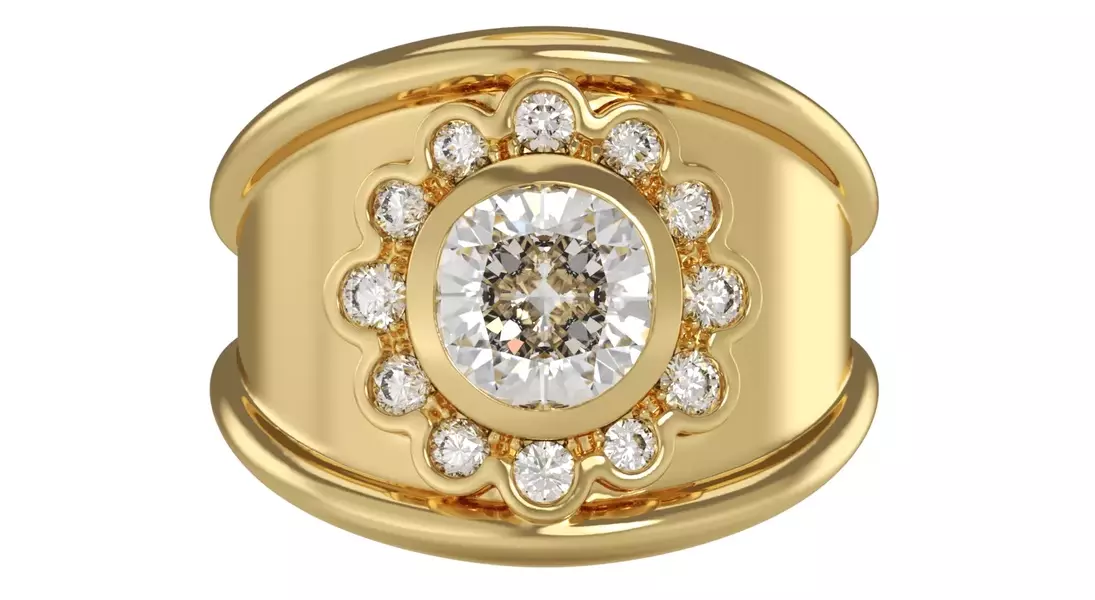
East London jeweler Rachel Boston has witnessed a surge in commissions for designs that consciously diverge from traditional bridal aesthetics. Clients are gravitating towards more robust, everyday pieces such as chunky bands, sculptural settings, and designs that seamlessly integrate into a daily wardrobe. Signet-style rings and wide gold bands are particularly popular. Jessie Thomas, a Chelsea-based jeweler, confirms this preference for substantial yellow and white gold pieces with prominent settings and large stones. Atelier Nawbar, a fourth-generation jeweler from Beirut, also observes this trend towards oversized designs, as exemplified by a recent commission that transformed a central diamond and halo stones into a unique pebble-like cocktail ring, dazzling with bezel-set diamonds.
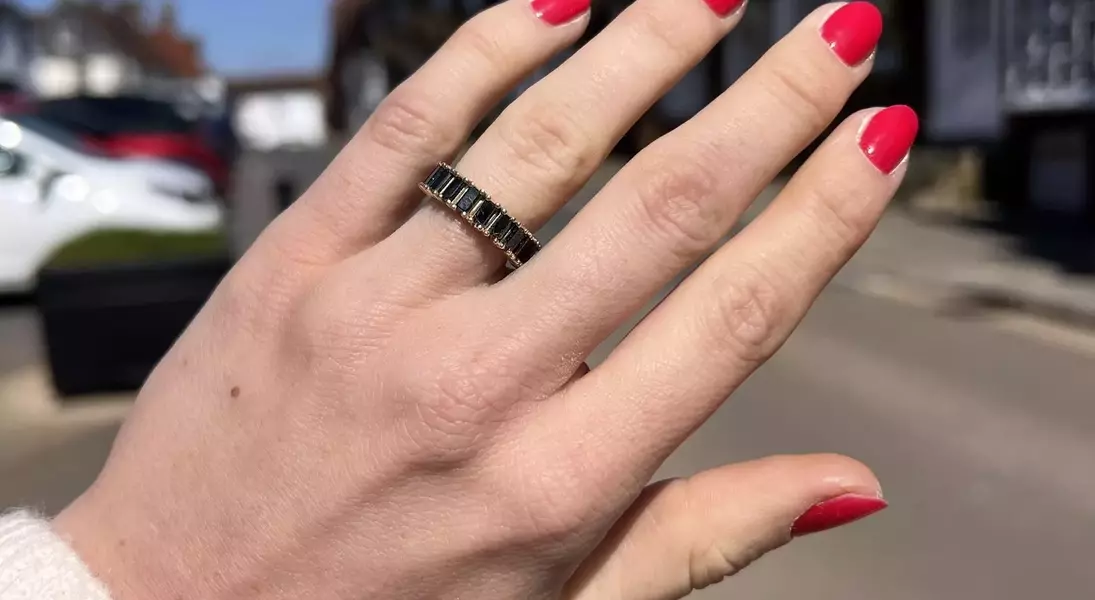
Madeleine Phillips, a 32-year-old marketing director from East Sussex, commissioned her divorce ring three months after her separation was finalized. For Phillips, the idea of repurposing her wedding or engagement rings felt too emotionally charged. Instead, she sought a symbolic piece that was entirely new and intentional. Her yellow gold ring, set with eleven baguette-cut black diamonds, deliberately represents each year of her marriage, a choice she describes as precise rather than sentimental. Initially worn on her ring finger, it was later resized for her middle finger, a progression Phillips viewed as an integral part of its evolving story, symbolizing confidence over recovery.
Eliza Walters of Lylie has also noted a demand for rings designed specifically for the middle finger, such as Etruscan-inspired settings, intentionally dissociating them from the visual and symbolic connotations of an engagement ring. Barbara Sturm, too, intended her ring for her middle finger, but her daughter, Pepper, suggested wearing it on her index finger, a lighter moment in her journey.
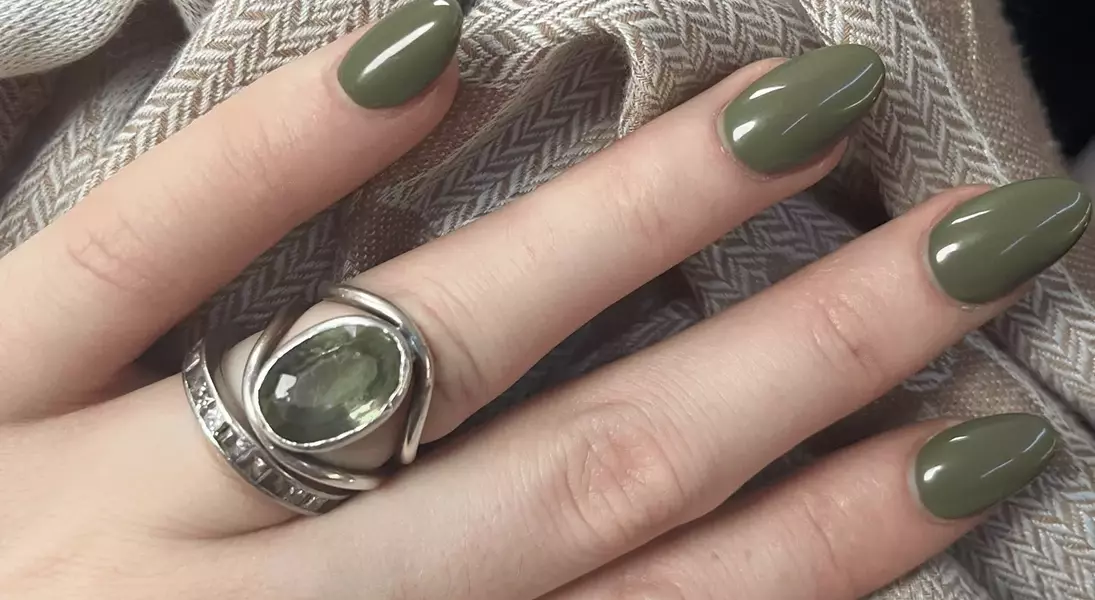
Art critic Victoria Comstock-Kershaw, twice divorced, maintains a unique perspective. She continues to wear both her engagement rings stacked on her ring finger. Her reasoning: her trust in her taste in jewelers surpasses her trust in men. Her wedding rings, a green tourmaline and silver ring from her grandmother and a diamond and lilac sapphire band gifted by her mother, hold deep personal history. She finds them aesthetically pleasing and socially functional, serving both as a deterrent to flirtatious advances and a compelling conversation starter. For Comstock-Kershaw, the rings' history, including their role as witnesses to past marriages, is simply another layer of their rich narrative.
Beyond rings, the trend extends to other forms of jewelry. Barbara Sturm repurposed two small pear-shaped diamonds from her original engagement ring into earrings, while Annoushka and Rachel Boston have received inquiries for pendant necklaces, further diversifying the landscape of post-marital adornment.
This movement underscores a powerful message: divorce, while challenging, can be a transformative journey. It's about taking ownership of one's narrative, shedding the weight of the past, and embracing a future defined by self-love and resilience.
The emergence of 'divorce rings' signifies a profound cultural shift in how society perceives and experiences divorce. It’s no longer merely an end but a powerful transition, an act of self-reclamation. This trend encourages individuals to embrace their autonomy, channel their experiences into symbols of strength, and move forward with a renewed sense of purpose and self-worth. It reminds us that even in separation, there's an opportunity for beautiful, meaningful new beginnings.
