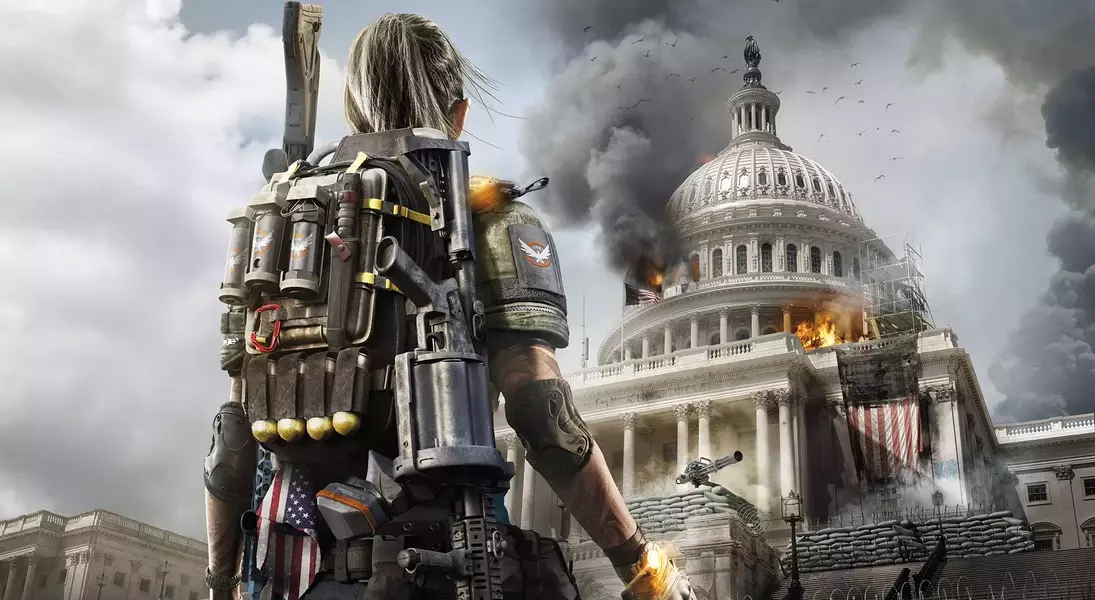
Ubisoft's "The Division" universe, renowned for its post-apocalyptic shooter experiences, has found unexpected popularity in a new format: a tabletop role-playing game. The Kickstarter campaign for "Tom Clancy's The Division: The Official Tabletop Roleplaying Game" has overwhelmingly exceeded its funding target, indicating a strong desire among fans for a more narrative-focused engagement with the franchise's world. This adaptation promises to delve deeper into the societal and ethical challenges of a shattered world, moving beyond the traditional combat focus to emphasize player choices and their impact on rebuilding civilization.
While the video game series, "Tom Clancy's The Division," has garnered a dedicated following, its narrative depth and character agency have often been perceived as secondary to its action-oriented gameplay. The newly announced tabletop RPG aims to rectify this by placing a strong emphasis on role-playing elements, allowing players to shape the destiny of their characters and the world around them. This shift towards complex decision-making and interaction with desperate communities presents a fresh perspective on the familiar setting, tapping into aspects of the lore that the video games only scratched the surface of. The success of the crowdfunding campaign underscores a significant demand for such an evolution, suggesting that fans are eager for experiences that offer more profound engagement with the Division's desolate yet intriguing world.
The Division's Unexpected Tabletop Success
Ubisoft's "The Division" series, despite its established presence in the video game world, has now ventured into the tabletop RPG market with surprising and substantial success. The Kickstarter for "Tom Clancy's The Division: The Official Tabletop Roleplaying Game" significantly surpassed its initial funding goal, garnering hundreds of thousands of dollars from nearly 1,500 backers. This unexpected outcome highlights a latent demand for a different kind of engagement with the post-pandemic setting. While the video games often focus on tactical combat and loot acquisition, the tabletop version promises a deeper dive into the societal challenges and moral dilemmas inherent in a collapsed world, allowing players to explore the complexities of rebuilding and survival in a more immersive, narrative-driven way. The strong financial backing indicates a community ready to explore the less-trodden narrative paths of the Division universe.
The enduring appeal of The Division's universe, which has seen sequels, mobile spin-offs, and even a film adaptation in various stages of development, has now extended to the strategic depth of a tabletop RPG. Despite some critics viewing the video game entries as somewhat formulaic, the tabletop adaptation is proving to be anything but. It offers a unique opportunity for players to create their own agents and navigate hostile territories, employing familiar skills like automated turrets and advanced technology, but within a framework that emphasizes meaningful choices and role-playing. The Kickstarter campaign's overwhelming success, far exceeding its modest initial goal, demonstrates that fans are keen to engage with the franchise on a level that allows for greater personal agency and a deeper exploration of the post-apocalyptic narrative, focusing on the human element of rebuilding society rather than just combat.
Reimagining the Post-Apocalyptic Narrative
The upcoming tabletop RPG based on "The Division" aims to reimagine the post-apocalyptic narrative by focusing on the crucial role-playing opportunities that the video games, despite their popularity, often overlooked. The Kickstarter campaign description emphasizes that players will move beyond mere firefights to confront the ethical quandaries of fragile communities, desperate survivors, and the difficult decisions necessary for societal reconstruction. This approach shifts the focus from purely combat-oriented gameplay to a more nuanced exploration of leadership, diplomacy, and resource management. Such a pivot offers a compelling narrative dimension, where the choices made by Agents—whether forging alliances as a Diplomat or restoring infrastructure as a Technician—directly influence the trajectory of the devastated world, providing a sense of agency and impact that was previously less pronounced.
The essence of the tabletop adaptation lies in its ability to fill a perceived gap in the original games by providing a more profound and engaging role-playing experience. While the games offered glimpses into a world grappling with societal collapse, the TTRPG promises to fully realize this potential by enabling players to grapple with the consequences of their actions in a world desperate for rebuilding. The emphasis on navigating complex social dynamics, securing vital resources, and making tough ethical calls offers a richer, more immersive experience. This expansion of the Division's lore and gameplay mechanics into a tabletop format appeals to players seeking to shape their own heroic narratives within a grim setting, completing the vision of a post-apocalyptic world where every decision, not just every bullet, truly matters. The expected release in October 2026 suggests a carefully crafted experience designed to meet these heightened narrative expectations.
