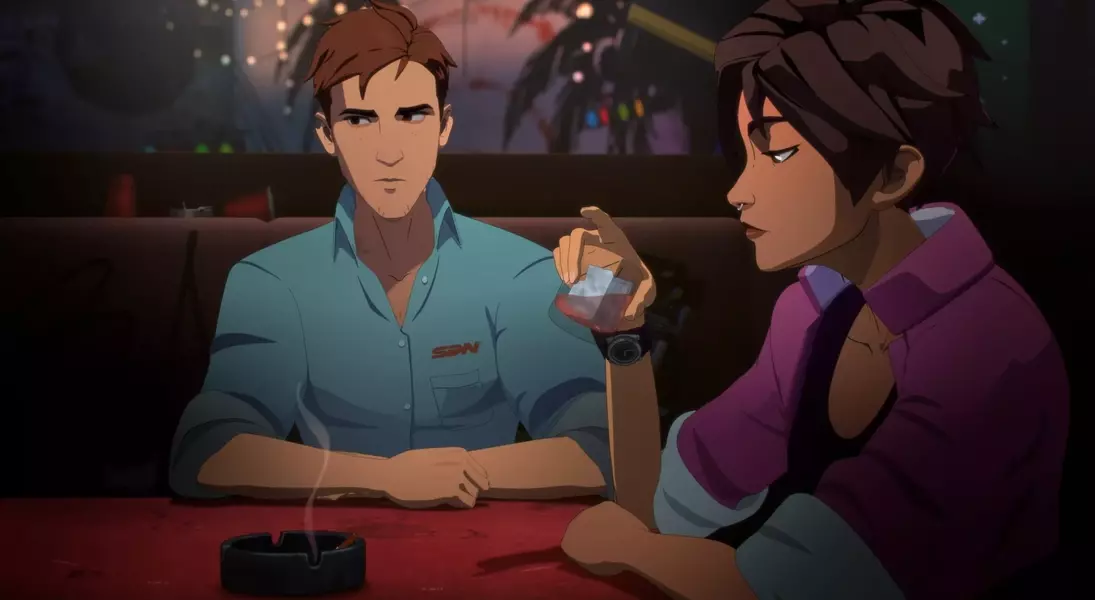
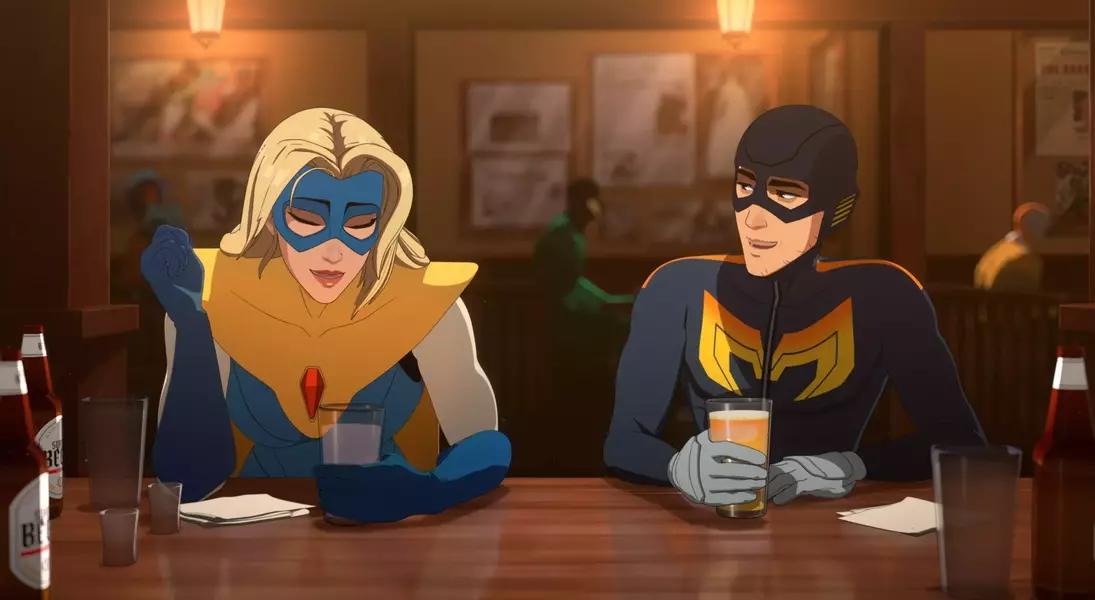
AdHoc Studio, formed by a team of former Telltale Games developers, has eliminated the option for players to remain silent during conversations in their new title, Dispatch. This decision stems from data revealing that in their previous projects, less than one percent of players ever utilized the silent choice, leading the studio to re-evaluate resource allocation for features with minimal engagement.
During their presentation at GDC 2026, Nick Herman and Dennis Lenart, the creative directors behind Dispatch, shed light on the rationale behind omitting the traditional '...' dialogue option. They acknowledged the appeal of playing a character who responds with silent, vacant stares, but emphasized the practical implications of implementing such a feature. Data from their time at Telltale indicated that silent responses were almost universally overlooked by players, whether intentionally or unintentionally.
Herman elaborated on the studio's internal debate regarding the inclusion of silent options. Despite the personal enjoyment some developers derived from imagining such a playstyle, the numbers presented a compelling argument against it. Lenart further clarified that providing a silent choice for each of Dispatch's approximately 120 dialogue opportunities would have translated to nearly 15 minutes of in-game silence for the protagonist, Robert "Mecha Man" Robertson III. This seemingly simple omission carries significant development costs.
Implementing moments of silence isn't as straightforward as it might appear. For every instance where Robert remains unspoken, the development team would need to craft reactions from other characters, record corresponding voice lines, storyboard the scenes, animate character responses, and meticulously refine the lighting and overall presentation. Herman stressed that dedicating substantial time and resources to support a feature used by less than one percent of the player base, especially for a burgeoning studio like AdHoc, was ultimately deemed inefficient and unsustainable.
While this decision might disappoint players who enjoy role-playing as more reserved or enigmatic characters, the success of Dispatch, having sold over 3 million copies, suggests a positive reception to the studio's design choices. AdHoc co-founder Pierre Shorette hinted in November at the strong possibility of a second season for Dispatch. This potential sequel could offer an opportunity for the studio to revisit and perhaps reintroduce more nuanced player choices, including varied responses to dialogue, if player feedback or evolving design philosophies warrant it.
