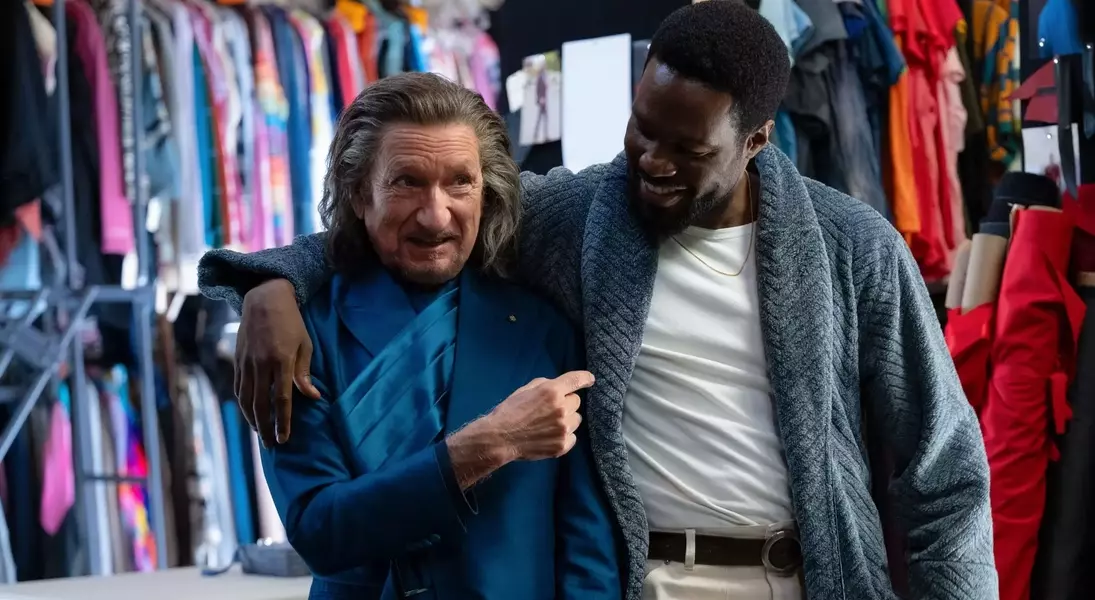
Disney+'s new series 'Wonder Man' diverges from the typical superhero narrative, offering a refreshingly understated dramedy. The show centers on Simon Williams, an aspiring actor who is anything but a conventional superhero. His journey, marked by unexpected powers and a deep passion for acting, becomes intertwined with the eccentric Trevor Slattery. Their bond forms the heart of the series, exploring themes of human connection, artistic ambition, and subtle societal critiques.
This Marvel production stands out by deliberately scaling back the epic scope and high-stakes battles usually associated with the genre. Instead, it delves into the more human aspects of its characters, focusing on their personal struggles, aspirations, and relationships. This approach allows the series to connect with viewers on a more intimate level, offering a unique blend of humor and heartfelt moments that highlight the less glamorous, yet equally compelling, side of the Marvel universe.
The Unconventional Hero and His Mentor
In 'Wonder Man', Simon Williams, portrayed by Yahya Abdul-Mateen II, is introduced as a deeply human character, far removed from the bombastic heroism typical of Marvel. He's an aspiring actor grappling with self-doubt and the often-unforgiving realities of Hollywood. His powers are an accidental burden, not a chosen path, making him reluctant to embrace a superhero identity. This grounded portrayal offers a relatable entry point into the Marvel universe, as Simon navigates his unusual abilities alongside the mundane challenges of a burgeoning career, rather than grand cosmic threats. His journey is less about saving the world and more about finding his place within it, highlighting the personal cost and comedic absurdity of being 'enhanced' in a regular world.
His path crosses with Ben Kingsley's Trevor Slattery, a character known to Marvel fans as a theatrical personality with a colorful past. Trevor, now a working actor, becomes Simon's unlikely mentor, guiding him through the complexities of both acting and his newfound powers. Their relationship, a delightful 'bromance', is built on shared artistic passion and contrasting temperaments. Simon's tendency to overthink his roles is balanced by Trevor's intuitive and impulsive nature, creating a dynamic that is both humorous and touching. Their interactions are the show's comedic and emotional anchor, showcasing a mutual respect and affection that transcends their individual quirks. This mentorship is central to Simon's development, providing him with a sense of purpose and belonging in a world that often struggles to understand him.
A Subtle Critique of Power and Society
'Wonder Man' adopts a distinctly low-key approach to its storytelling, moving away from the large-scale confrontations that define many superhero narratives. The series consciously shies away from traditional villain-hero dynamics, instead focusing on the internal and external pressures faced by its protagonist, Simon. His most pressing concerns often revolve around his acting career, such as navigating difficult auditions, dealing with a demanding agent, and managing the skepticism of his family. This emphasis on the everyday struggles of an artist grounds the show in a relatable reality, offering a fresh perspective on the superhero genre by prioritizing personal growth and professional ambition over grand heroics. The show demonstrates that sometimes, the most significant battles are fought in the mundane.
Beneath its comedic veneer, 'Wonder Man' subtly weaves in a critique of societal systems and power structures. The Department of Damage Control, rather than being a force for good, is depicted as an entity driven by self-preservation and budget justification, actively seeking to detain "enhanced individuals" regardless of their innocence. This narrative element highlights themes of surveillance, institutional overreach, and the targeting of marginalized groups under the guise of security. The series uses Simon's struggles to expose the unglamorous realities of Hollywood and the broader societal implications of his powers, presenting a world where being super-powered can be more of a liability than an asset. This understated but potent social commentary adds depth to the narrative, inviting viewers to ponder the costs of extraordinary abilities in an ordinary world.
