In a groundbreaking development that signals a new era for both artificial intelligence and the entertainment industry, Disney has announced a substantial investment of $1 billion into OpenAI. This strategic partnership also includes a licensing agreement that will integrate more than 200 beloved Disney characters into OpenAI's generative AI platforms, ChatGPT and Sora. This move, hailed as the first major collaboration of its kind between a prominent studio and an AI firm, is poised to redefine content creation and engagement, extending Disney's rich storytelling heritage into innovative digital realms. The announcement has sparked considerable discussion within the industry, balancing the excitement for technological advancement with a cautious examination of ethical implications and creator rights.
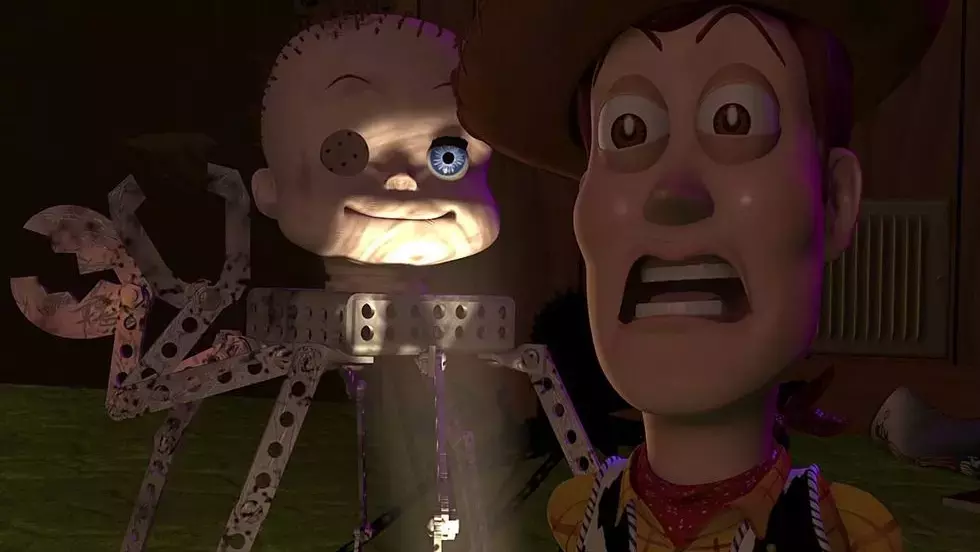
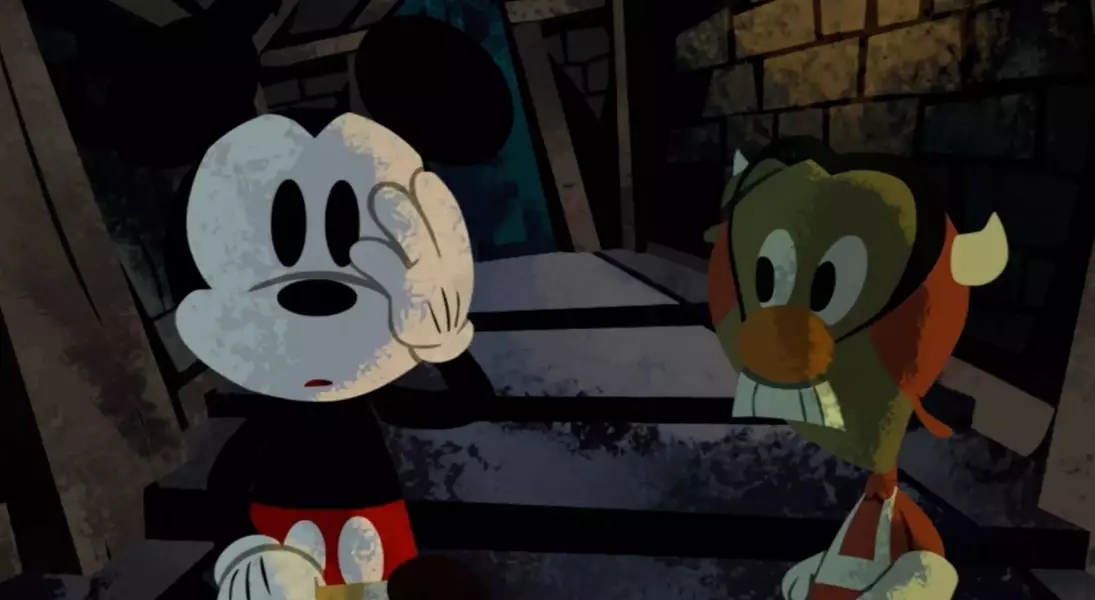
This unprecedented deal will allow OpenAI's products to feature a vast array of Disney's intellectual property, encompassing classic figures like Mickey Mouse, contemporary heroines such as Moana, and expansive universes like Star Wars and Marvel. Additionally, beloved Pixar characters, including those from films like Wall-E, will become accessible through OpenAI's tools. A crucial clause in the agreement specifies that the likenesses or voices of human talent will not be included, addressing potential concerns from actors and estates, including figures like Mark Hamill. This stipulation reflects a cautious approach to talent rights, especially given the history of characters like Mickey, originally voiced by Walt Disney himself, and the long-standing efforts by Disney CEO Bob Iger to safeguard the company's creative legacy.
The announcement has inevitably ignited a debate on the responsible use of AI. Critics recall previous instances where AI-generated content led to controversial outcomes, such as OpenAI's Sora producing "disrespectful" portrayals of historical figures like Martin Luther King Jr., which prompted the company to pause certain functionalities. The daughter of the late Robin Williams, Zelda Williams, has also voiced strong objections to AI-generated renditions of her father, characterizing such creations as deeply exploitative. Furthermore, OpenAI is currently facing multiple lawsuits, including one from the parents of a teenager who allegedly ended his life after ChatGPT provided encouragement and instructions, underscoring the serious ethical dilemmas inherent in AI development and deployment.
Despite these controversies, Bob Iger maintains an optimistic outlook on AI's potential, describing it as an "engagement engine" that will soon permeate Disney+ content. The partnership, according to Iger, will enable Disney to "thoughtfully and responsibly extend the reach of our storytelling" through collaboration with OpenAI. Slated for an early 2026 rollout, the agreement outlines several key points: Sora will generate user-prompted short-form social videos featuring Disney, Marvel, Pixar, and Star Wars characters for fan viewing and sharing. A selection of these AI-generated videos will also be available for streaming on Disney+. Both Disney and OpenAI have affirmed a mutual commitment to ethical AI practices that prioritize user safety and creator rights. Beyond the licensing aspect, Disney will become a major client of OpenAI, leveraging its APIs to develop new products, tools, and experiences, including enhancements for Disney+, and integrating ChatGPT for internal employee use. As part of this significant investment, Disney will also acquire warrants to purchase additional equity in OpenAI.
The agreement also brings to light significant concerns about the compensation of performers and creatives in an AI-driven landscape. Cathy Sweet of Equity, an entertainment trade union, highlighted that such a substantial deal underscores the urgent need for AI protections for union members. She emphasized that the recorded material being licensed is the product of professional creative work, and therefore, the rights of creators must be rigorously protected. This complex intersection of technological advancement and human creativity raises fundamental questions about the future of intellectual property, artistic labor, and the moral boundaries of artificial intelligence.
