
Umbria, an Italian region frequently overshadowed by the more renowned Tuscany, offers a peaceful and authentic getaway for those seeking an unhurried exploration of Italy's rustic charm. This captivating area, with its blend of historical fortifications, verdant landscapes, and ancient communities, provides a serene experience steeped in cultural heritage and natural splendor. A new wave of accommodations and culinary establishments is emerging, designed to immerse visitors in Umbria's distinctive character, from luxurious castle resorts to fine dining experiences that spotlight local ingredients. The region's appeal is further enhanced by its burgeoning arts scene, distinguished vineyards, and historic routes, promising a deeply enriching journey into the soul of central Italy.
The journey to Castello di Procopio, a 12th-century fortress, involves navigating a winding gravel path through a forest of oak and chestnut trees, culminating in a majestic stone structure perched above the peaceful village of Migiana. Commissioned by Emperor Frederico Barbarossa, this castle has served various roles throughout history, from a military stronghold to a monastery, and now offers a tranquil retreat. Its serene atmosphere mirrors the essence of Umbria, a region where time seems to slow, providing a unique escape from the modern world's rush. Unlike the bustling tourism of Tuscany, Umbria offers a more intimate encounter with Italy's pastoral beauty, characterized by its wilder terrain and an innate connection to the land.
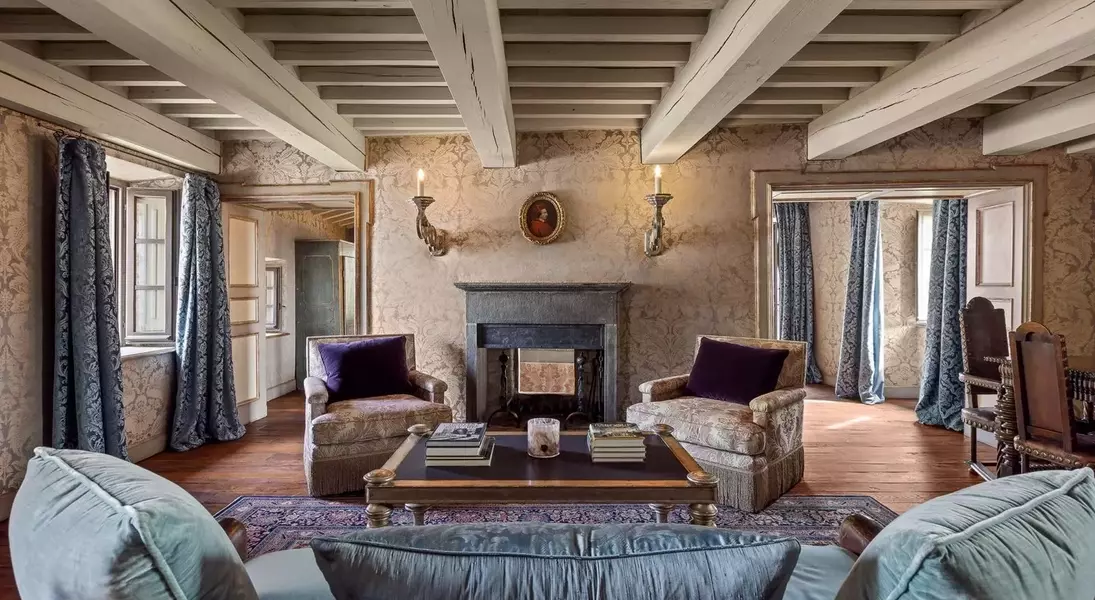
Recent years have seen the Mandarin Oriental group venture into the private villa market, with Castello di Procopio standing out as an exclusive Italian offering. Located roughly twenty minutes from Perugia, the region's capital, this eight-bedroom fortified castle boasts interiors meticulously designed by Martyn Lawrence Bullard. His vision incorporated European antiques, including armor and tapestries, creating a setting that evokes medieval grandeur while providing contemporary comforts. Guests can enjoy a heated outdoor pool, steam room, and a fully equipped gym, blending the luxury of a Mandarin Oriental stay with the privacy and historical ambiance of a grand villa amidst a lush forest.
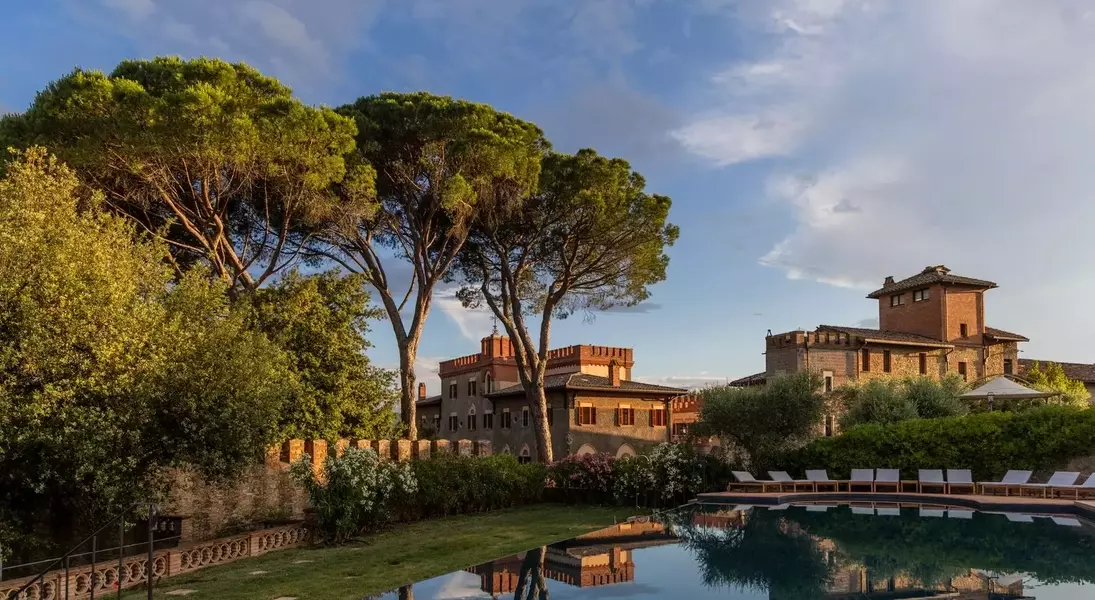
Another notable transformation is Castello di Reschio, a 10th-century castle set on a 1,500-hectare estate. Purchased in the 1980s by Count Antonio Bolza as a family retreat, it was lovingly restored. In 2021, his son, architect Count Benedikt Bolza, reimagined it as a luxury boutique hotel. This estate now invites guests to explore its stunning courtyards, admire interiors adorned with hand-painted murals by Donna Nencia, and dine at multiple restaurants. The property also features a picturesque swimming pool overlooking the valley and several farmhouses converted into private villas, offering a blend of historical charm and modern luxury.
Borgo dei Conti, originally a 13th-century fortified hamlet, presents another historical gem. Once owned by Perugia's aristocratic Raspanti family, it evolved from a defensive outpost into an elegant country estate. Today, its meticulously restored stone structures and manicured grounds embody the understated elegance of medieval Umbria, reenvisioned as a contemporary sanctuary. The resort features a holistic spa with both indoor and outdoor pools, alongside forest trails winding through ancient woodlands. Its fine-dining restaurant, Cedri, helmed by Chef Emanuele Mazzella, is celebrated for its exquisite dishes that showcase the region's seasonal produce, offering guests a taste of authentic Umbrian gastronomy.
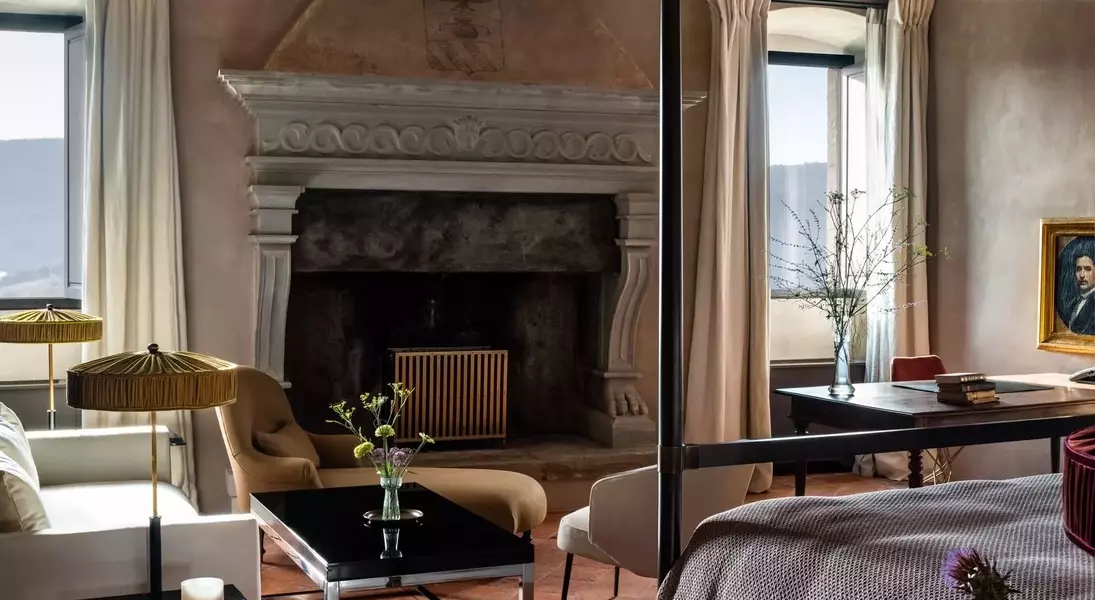
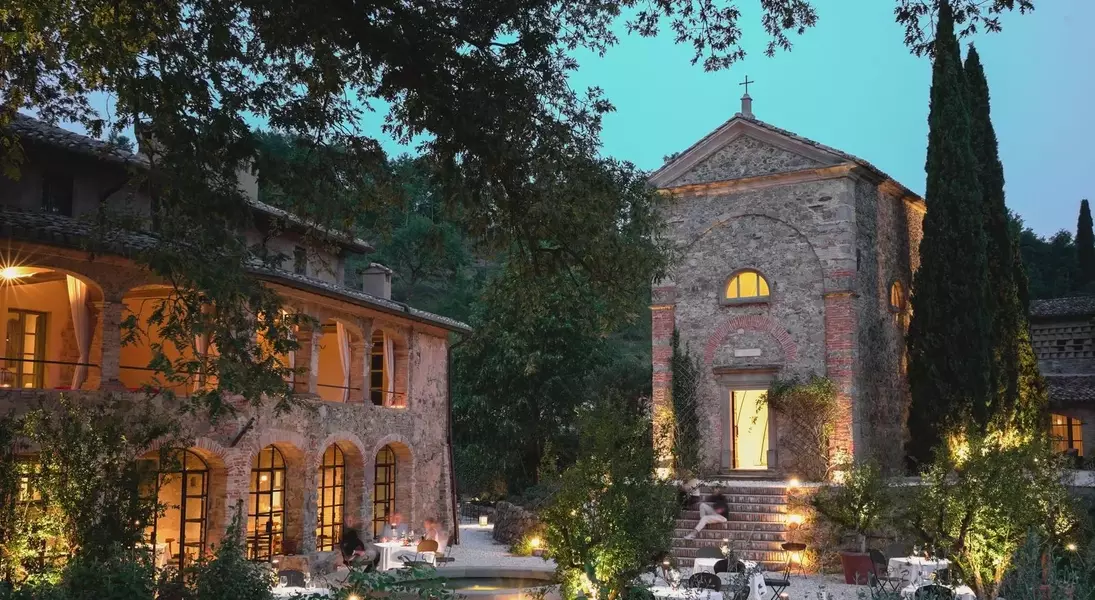
Vocabolo Moscatelli, nestled near the Tuscan border in Calzolaro, is a beautifully restored 12th-century monastery. This 12-room property seamlessly merges ancient stone walls and timber ceilings with contemporary design elements, including furnishings by Paola Lenti and artworks by notable artists. Designed in the style of a traditional Italian 'Borgo,' it features a central piazza, perfect for morning coffee or evening aperitivos, situated between the main building and a former chapel now serving as a spa. The restaurant offers creative, plant-focused Umbrian cuisine, complemented by the Matite bar's cocktails crafted with local ingredients, providing a serene and stylish retreat.
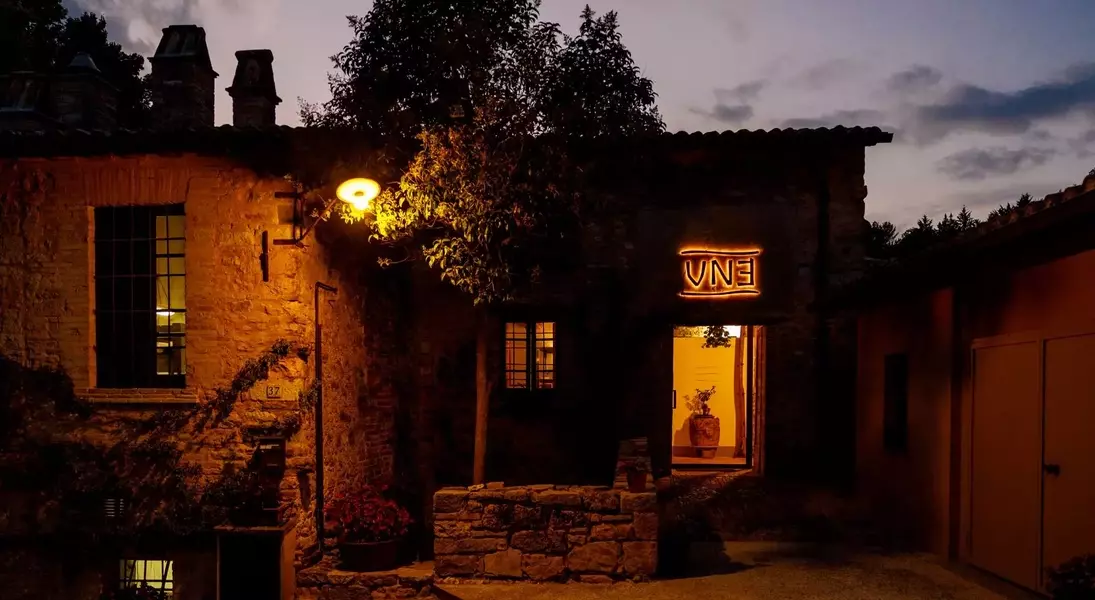
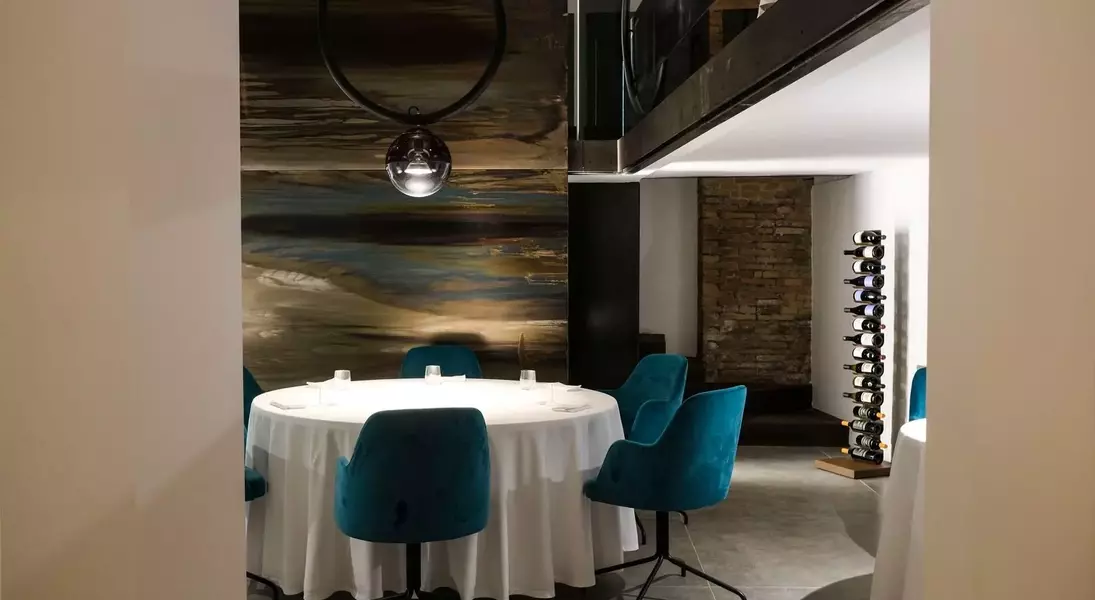
Umbria's culinary scene is a hidden treasure, with establishments like Une, a Michelin-starred restaurant located in a renovated 15th-century olive mill near Foligno. Chef Giulio Gigli, after refining his skills in renowned kitchens in Barcelona and San Francisco, returned to his roots to offer tasting menus like Acquedotto and Relazioni. These menus masterfully blend local traditions with modern culinary techniques, highlighting Umbrian ingredients sourced from small producers, the restaurant's own garden, and foraged finds. The natural surroundings, including orchards, forests, and streams, influence both the cuisine and the dining atmosphere, offering unique experiences from intimate chef's table dinners to al fresco meals.
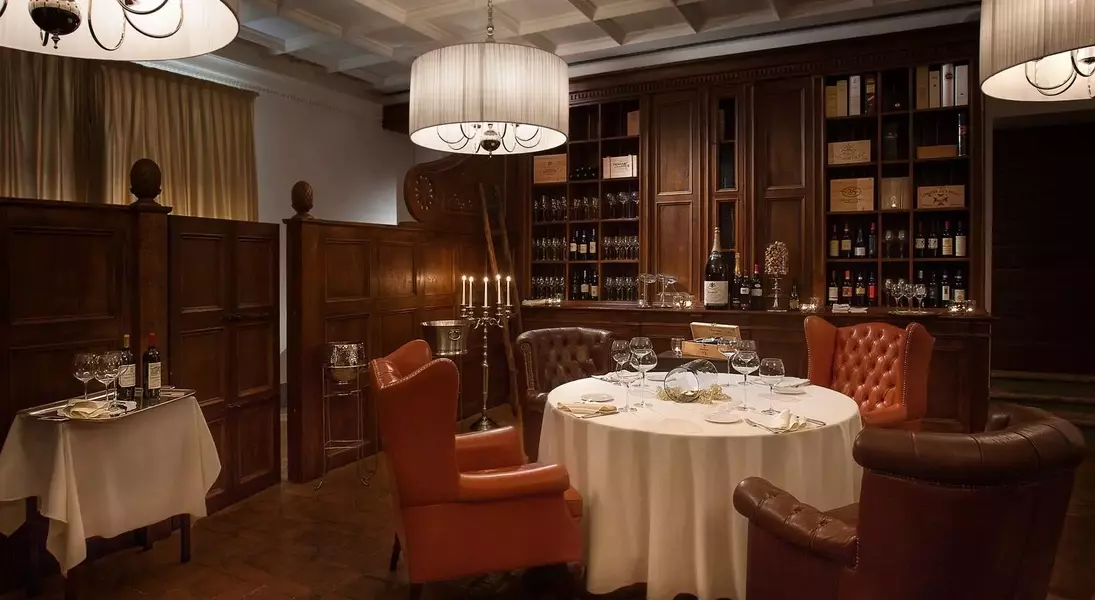
Vespasia, housed in a 16th-century former inn in Norcia, is managed by the Bianconi family, whose hospitality legacy in the region spans back to the mid-19th century. Chef Fabio Cappiello's tasting menus are a true exploration of Umbria's abundant offerings, featuring ingredients from local producers and the family's own farm in the Norcia valley. Seasonal specialties include glazed sweetbreads, venison carpaccio from the Sibillini Mountains, and trout from the Nera River, demonstrating a deep respect for local flavors and traditions. In Perugia's historic center, Ada Gourmet, led by Michelin-starred chef Ada Stifani, offers a distinct culinary vision. Stifani, drawing inspiration from both Umbria and her Puglian heritage, creates innovative dishes that blend international influences with personal memories, such as beetroot gnocchi with smoked eel and dill, and seabass with capers and foie gras.
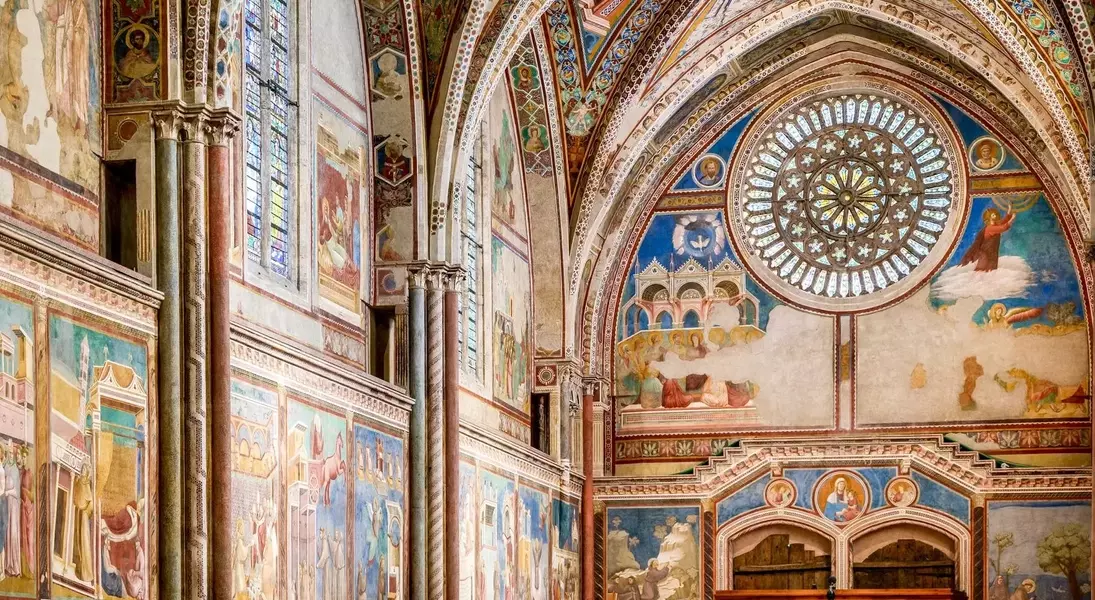
Beyond its gastronomic and accommodation offerings, Umbria is a haven for cultural enthusiasts and adventurers. While Tuscany is celebrated for its wines, Umbria's vineyards produce equally impressive varietals, including the robust Sagrantino and fragrant Grechetto. Many estates welcome visitors for tastings and tours, offering insights into the region's rich winemaking heritage. Noteworthy vineyards include Vineria del Carmine near Perugia, Arnaldo Caprai in Montefalco, and Lungarotti in Torgiano, which also hosts a wine culture museum. The region's relative seclusion has attracted visionary artists throughout history, with cities like Perugia, Orvieto, and Todi boasting galleries and frescoes dedicated to classical Italian art, such as the Galleria Nazionale dell'Umbria and the Ferraù Fenzoni frescoes at Palazzo Vescovile di Todi. For a more unconventional artistic experience, La Scarzuola, a former Franciscan convent transformed into a surreal symbolic city by architect Tommaso Buzzi, offers a fantastical journey through spiritual allegory. In Todi, the works of American sculptors Beverly Pepper and Brian O’Doherty are integrated into the landscape, providing unique contemporary art encounters.
Umbria's ancient pilgrim trails, echoing the Camino de Santiago, invite travelers to retrace the steps of Saint Francis of Assisi. The Via Lauretana, winding through Umbria's tranquil interior, connects Assisi to Loreto on the Adriatic coast. This path traverses picturesque farmlands, oak forests, medieval hamlets, vineyards, and monasteries. While the full route takes about ten days, shorter segments offer a meditative experience of the Umbrian countryside. For a guided exploration, the five-day Umbrian Safari by Maremma Safari Club combines walking excursions from Todi to Assisi with cultural stops, truffle hunting, and Sagrantino wine tastings, offering a comprehensive and enriching way to experience the region's diverse offerings.
This central Italian region offers a distinctive appeal for those seeking more than just a destination; it promises an immersive experience where ancient history, artistic expression, and culinary excellence converge. From its serene landscapes to its vibrant cultural life, Umbria stands as a testament to Italy's enduring allure, inviting visitors to uncover its timeless beauty and authentic charm. It's a place where every winding road leads to a new discovery, every meal tells a story, and every moment is an opportunity to connect with the deep-rooted traditions and natural splendor that define this extraordinary part of the world.
