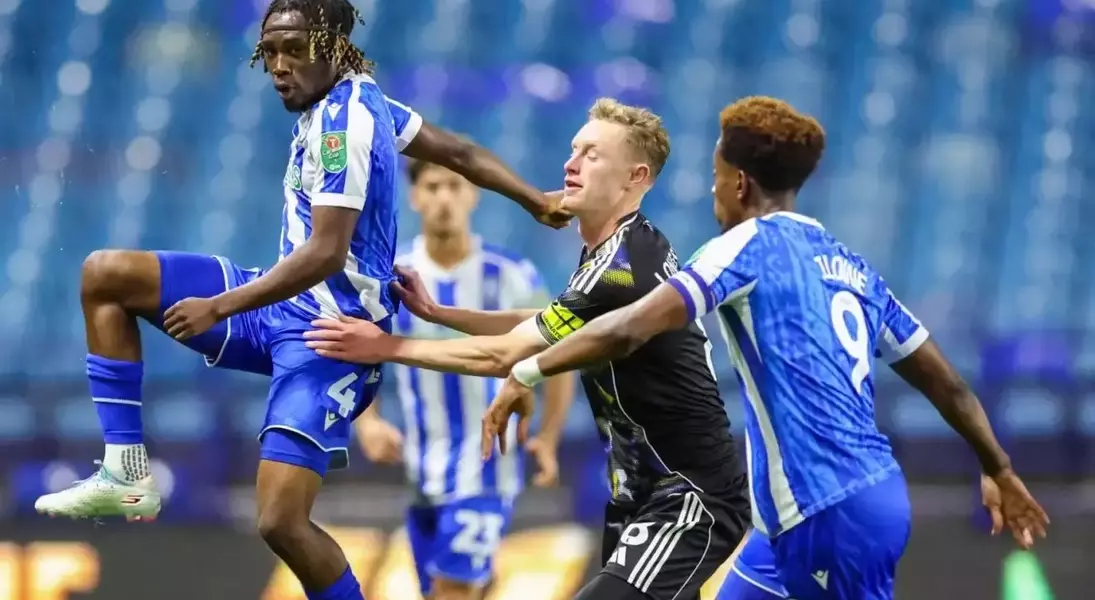
Recent football encounters have brought to light the struggles of various players across different clubs, particularly during the Carabao Cup and initial league fixtures. These matches have served as a stark reminder that even established talents can falter under pressure, leading to disappointing results and raising questions about their future roles within their teams. The performances observed indicate a critical need for some teams to re-evaluate their rosters, with potential replacements being sought to inject much-needed quality and consistency. The early stages of the season have exposed vulnerabilities, prompting coaches and management to consider strategic adjustments to maintain competitive integrity and pursue their seasonal objectives.
This period of assessment isn't just about identifying weaknesses; it's also about understanding the dynamic nature of professional football where form can be transient. While some players might be given more time to adapt or recover, others face the immediate consequence of being overshadowed or outright replaced. The overarching theme is one of accountability and the relentless pursuit of excellence, where every performance is scrutinized, and every position is contested. Teams are continually striving to optimize their lineups, ensuring that only those who consistently perform at the required level are afforded regular playing time, thereby fostering a competitive environment crucial for success.
Underwhelming Displays Across Premier League Teams
Several players experienced a significant dip in form during recent cup and league encounters, failing to impress their managers and contributing to their teams' early exits or struggles. Notably, goalkeepers at Wolves and midfielders at West Ham showcased performances that were far from their best, highlighting areas of concern for their respective clubs. Similarly, defensive vulnerabilities were evident at Bournemouth, where a new signing struggled to assert himself, while Leeds United also saw key players underperform in critical moments, leading to frustrating results.
Sam Johnstone, the goalkeeper for Wolves, displayed a lack of assertiveness and questionable shot-stopping abilities, failing to solidify his claim for a starting spot. His distribution was also noted as a weakness, raising doubts about his long-term suitability. At West Ham, Guido Rodriguez's lethargic midfield display against Wolves, characterized by poor positioning and a conceded penalty, underscored the team's struggles for control. Bournemouth's Julian Araujo, despite his potential, struggled with consistency and a crucial late red card, indicating a lack of match sharpness. Antoni Milambo, another Bournemouth player, had a largely ineffective outing, failing to make an impact despite extended minutes. Similarly, Burnley's Zian Flemming appeared rusty, not influencing the game enough, while Sunderland's Patrick Roberts seemed out of his depth against League One opposition. Lastly, Leeds United's Jaka Bijol and Sean Longstaff delivered particularly disappointing performances, with Bijol's slow reaction leading to an own goal and Longstaff, a recent cup winner, appearing overwhelmed, culminating in a missed penalty that sealed Leeds' cup exit. These instances collectively point to a need for individual improvement and tactical adjustments to bolster team performance.
Implications for Squad Dynamics and Future Transfers
The underperformance of these key players has direct implications for their respective clubs' squad dynamics, potentially leading to significant changes in playing time and future transfer strategies. For some, these displays might be isolated incidents of poor form, warranting patience and continued support from their coaches. However, for others, particularly new signings or those expected to be core team members, these subpar showings could signal a deeper issue, prompting management to consider alternative options in the upcoming transfer windows.
The critical evaluation of these performances extends beyond individual accountability, influencing the tactical approaches and overall team cohesion. Coaches are compelled to assess whether these players can regain their form or if their current capabilities align with the team's ambitions. This assessment could result in reduced playing time for underperforming individuals, opening opportunities for other squad members or prompting the recruitment of new talent. For instance, the struggles of Johnstone at Wolves might accelerate their search for a more reliable goalkeeper, while West Ham's midfield woes could expedite their pursuit of new central players. Bournemouth's defensive concerns might push them to reinforce their backline, and Leeds' midfield and defensive issues could lead to further investment in those areas. The market often reflects these needs, with clubs identifying and targeting players who can address current deficiencies and contribute more consistently to their on-field success. Thus, these underperforming displays not only affect immediate results but also shape the long-term strategic planning and evolution of the squad, as clubs strive to build competitive teams capable of achieving their objectives.
