South African director Zamo Mkhwanazi brings her poignant debut feature film, 'Laundry,' to the Toronto International Film Festival (TIFF). This cinematic work draws deeply from her personal family history, particularly the loss of her grandfather's laundry business during the apartheid era. The film explores themes of inherited struggle, the pursuit of dreams amidst systemic oppression, and the healing power of creation. Mkhwanazi also offers a glimpse into her future projects, including the highly anticipated feminist sci-fi film, 'Newborns,' indicating a diverse and impactful career ahead.
Director Zamo Mkhwanazi's 'Laundry' Premieres at TIFF, Reflecting Apartheid's Legacy
On September 8, 2025, South African director Zamo Mkhwanazi unveiled her debut feature film, 'Laundry,' at the Toronto International Film Festival (TIFF). This marks a significant milestone for Mkhwanazi, who has previously presented short films at the prestigious festival. The narrative of 'Laundry,' also known as 'Uhlanjululo,' is deeply rooted in Mkhwanazi's personal history, stemming from her grandfather's laundry business which was forcibly seized by the apartheid government. This family loss served as a powerful impetus for her to bring this story to the screen, embodying the deep impact of intergenerational injustice on her own identity.
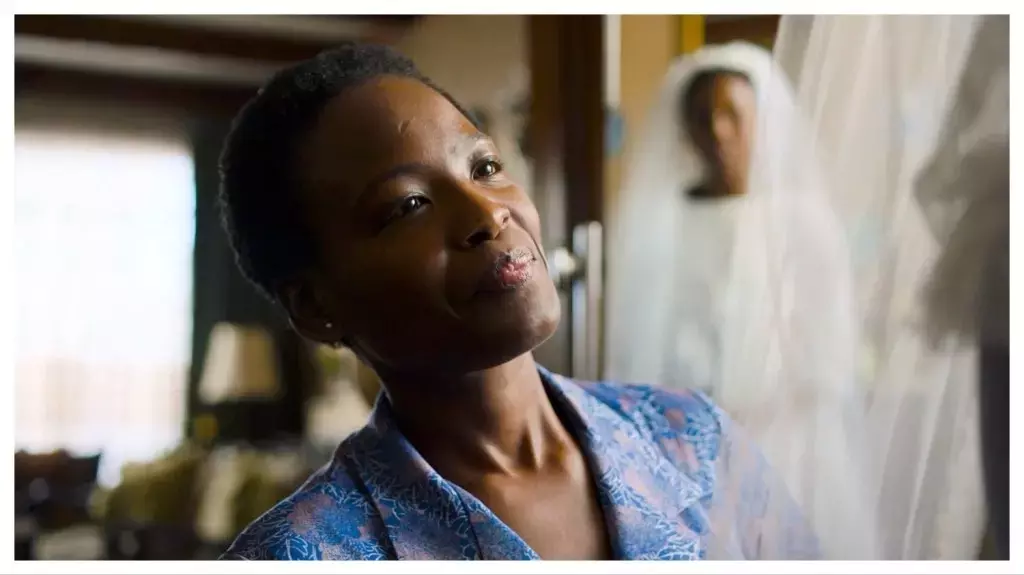
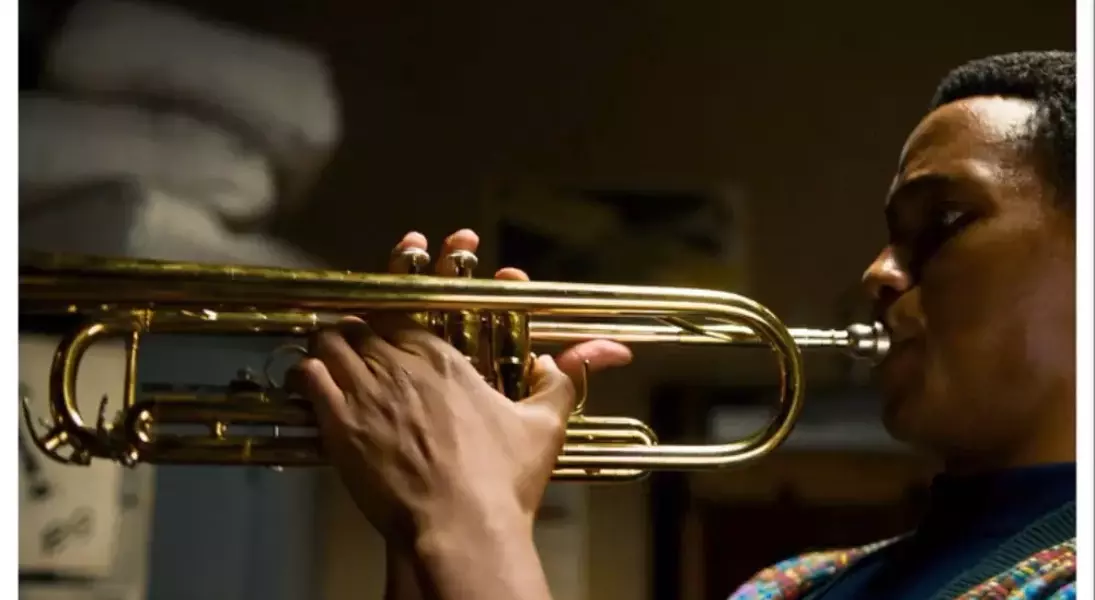
Set in apartheid South Africa in 1968, 'Laundry' portrays a similar family-operated business located in a whites-only area. The central conflict revolves around 16-year-old Khuthala, portrayed by Ntobeko Sishi, who harbors aspirations of becoming a musician, a stark contrast to his responsible father's (Siyabonga Shibe) hopes for him to inherit the family legacy. The film delves into Khuthala's struggle to embrace or defy the inheritance he is destined for, all while navigating the oppressive realities of the time.
Mkhwanazi emphasizes her desire for audiences to connect with Khuthala's hopes and dreams, while also confronting the harsh truths of a society where opportunities are stifled by privilege and systemic injustice. She quotes Stephen Jay Gould, underscoring how societal oppression robs humanity of potential and talent, echoing the unfulfilled destinies of countless artists and innovators who perished under oppressive systems. Music, she notes, serves as a pervasive and enduring symbol in the film, representing an innate human expression that transcends barriers, much like the inspiring figures of Prince, Miriam Makeba, and Hugh Masekela.
Produced by Philippe Coeytaux, Zamo Mkhwanazi, and Jim Stark under Akka Films and Kude Media, 'Laundry' confronts the pain experienced by its characters without shying away from their moments of joy. Mkhwanazi highlights that despite the harshness of oppression, joy remains a vital force for resistance and healing within communities. She believes that true healing comes from within and from communal bonds, where creativity flourishes even in adversity. The film's aesthetic, captured by cinematographer Gabriel Lobos, evokes the polished look of 1990s historical dramas, a conscious homage to the cinema that influenced Mkhwanazi's own artistic development.
Looking ahead, Mkhwanazi reveals her next ambitious project, 'Newborns,' a feminist science fiction film centered around clones, conceived before the COVID-19 pandemic. She also shared more about her family's resilience: in the 1980s, her parents successfully re-established a business, highlighting the enduring spirit of entrepreneurship despite past injustices. Mkhwanazi candidly admits to drawing inspiration for Khuthala's character from her own youthful reluctance to engage with her parents' business, underscoring the film's nuanced portrayal of generational expectations and personal desires.
Reflections on Art, Heritage, and Resilience
Zamo Mkhwanazi's 'Laundry' serves as a profound reminder of how personal narratives, deeply intertwined with historical injustices, can inspire powerful cinematic storytelling. The film's exploration of family legacy, the weight of societal oppression, and the universal human desire for self-realization resonates deeply. It underscores the idea that art, particularly film, can act as a crucial vehicle for healing and understanding, not just for the creator but for the audience as well. Mkhwanazi's commitment to portraying both the struggles and joys of life under oppression speaks to a nuanced understanding of human experience, offering a message of hope and the enduring power of creation in the face of adversity. Her work encourages us to reflect on the hidden stories of those whose potential was never realized due to systemic inequalities, and to celebrate the courage of those who fought to preserve their dreams and identities.
