The digital realm is rapidly evolving, bringing with it both innovation and unexpected challenges. This article explores a curious case where a game developer's experience with his alternate reality game, 'After Hours,' sheds light on a perceived gap in fundamental digital literacy among younger generations. It delves into the implications of this trend, drawing parallels with broader societal observations about 'learned helplessness' and the shifting landscape of basic technical skills.
Bridging the Generation Gap: Navigating Digital Evolution in Gaming
The Perplexing Trend: Modern Players' Struggle with Fundamental Computer Tasks
Game developer Petter Malmehed has noted a surprising development concerning younger players of his alternate reality game, 'After Hours.' Despite being conceived in an era where basic computer functions were commonplace, recent interactions with players suggest a decline in their ability to perform rudimentary digital tasks, such as composing an email with both a subject and a body. This unexpected challenge has impacted the game's reception, leading to a rise in negative reviews from players unable to progress due to their unfamiliarity with email etiquette.
Unveiling 'After Hours': A Journey into an Enigmatic Digital World
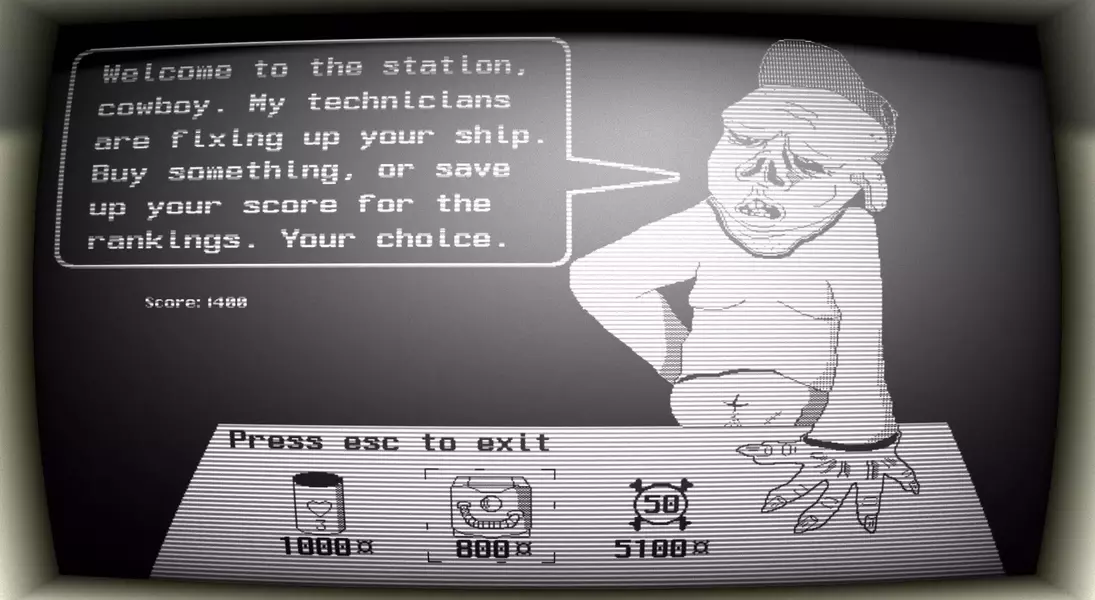
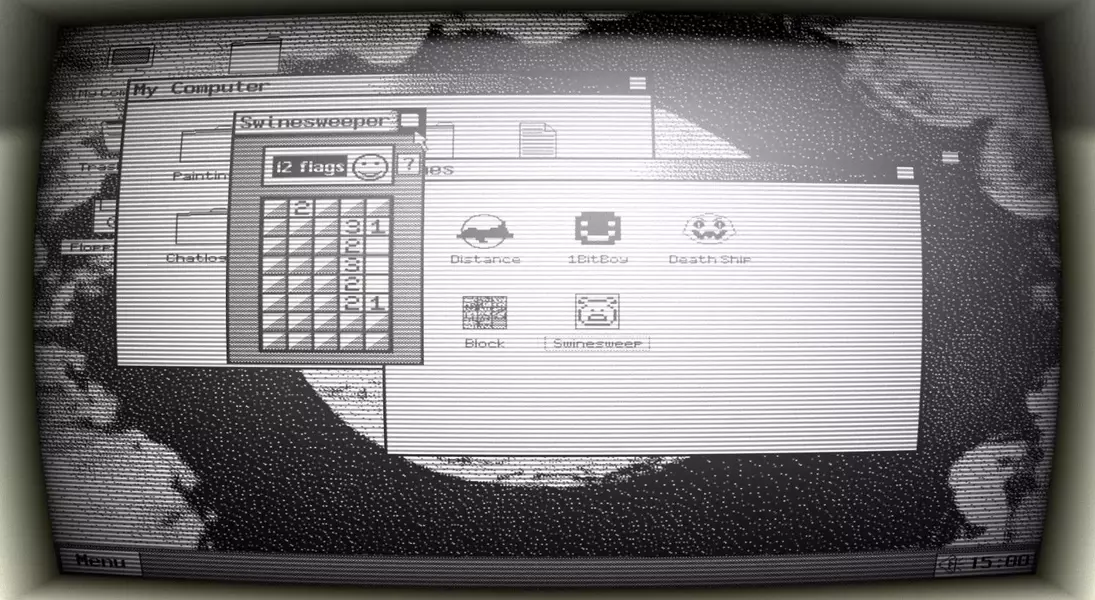
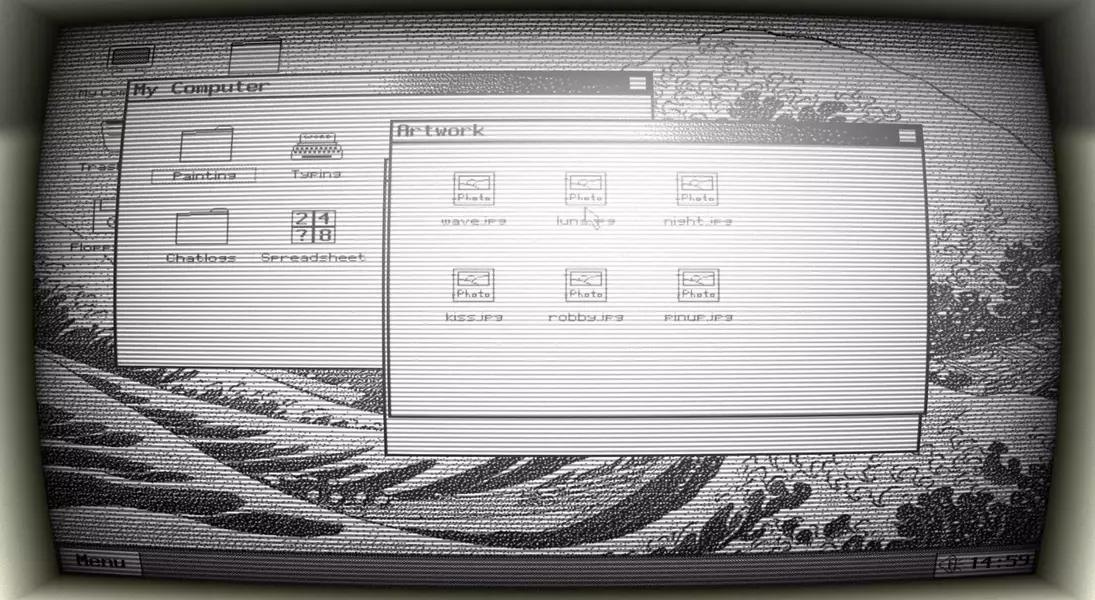
'After Hours,' originally released in 2018, is an immersive alternate reality game that tasks players with unraveling a historical mystery by sifting through digital archives and real-world clues. The game's design encourages players to engage beyond the screen, using external tools like search engines to solve complex puzzles. It's a re-imagination of a successful Newgrounds title, '128k,' enhanced with new challenges after a triumphant crowdfunding campaign, emphasizing out-of-the-box thinking.
The Evolving Player Experience: From Intuitive Engagement to Technical Hurdles
Initially, 'After Hours' garnered positive feedback for its innovative approach to puzzle-solving, with players readily grasping its unconventional mechanics. The game's integrated hint system, which utilized real-world email correspondence, proved effective, with players quickly understanding how to leverage it for assistance. However, by 2024, Malmehed observed a significant shift: a growing number of players were sending incomplete emails, often placing their entire query in the subject line, rendering the automated hint system ineffective and leading to widespread frustration.
Beyond Gaming: The Broader Implications of Declining Digital Literacy
The challenges faced by 'After Hours' players reflect a larger societal concern about the declining proficiency in fundamental skills among younger demographics, often labeled with 'learned helplessness.' Educators and parents frequently voice frustrations regarding Gen Z and Gen Alpha's perceived lack of basic administrative and technical competencies. Reports from prominent publications like The Atlantic and The New York Times, along with anecdotal evidence from online teacher communities, highlight issues ranging from declining literacy rates to difficulties with basic computer operation, suggesting a systemic shift in how younger generations acquire and utilize essential skills.
Adapting to Change: Developer's Response and Future Outlook
Acknowledging the current landscape, Malmehed recognizes the need to evolve 'After Hours' to better serve its contemporary audience. While he expresses bewilderment at the communication gap, he is actively exploring modifications to the hint system to more effectively interpret player inquiries, even those poorly formatted. His approach is one of empathy and adaptation, understanding that modern communication norms have shifted away from the structured requirements of traditional email, and that the game must evolve to meet players where they are.
