


The venerable social news platform, Digg, is making a determined return to the digital landscape with the unveiling of its fresh mobile applications for both iOS and Android devices. Backed by prominent figures from the tech world, including its co-founder Kevin Rose and Reddit co-founder Alexis Ohanian, Digg harbors aspirations of reclaiming its status as a central hub for internet content. While the platform is still in its nascent stages, currently operating on an invitation-only model, the newly launched apps offer an intriguing, albeit minimalist, preview of its renewed vision. This initial iteration provides a functional, if somewhat limited, experience that sets a promising stage for its future development. The core functionalities revolve around community-driven content submission, voting mechanisms akin to its predecessor, and an innovative integration of artificial intelligence for content summarization, suggesting a strategic approach to modern content curation.
The app's current simplicity means that certain advanced features, such as private messaging and the ability for users to create their own specialized communities, are not yet available. This lack of niche community options might hinder the deep, diverse engagement seen on platforms like Reddit, which thrives on its multitude of subreddits. However, this focused approach in the initial release allows for a streamlined user experience, prioritizing core content discovery and interaction. The long-term success of Digg's ambitious comeback will undoubtedly hinge on its ability to evolve beyond its current foundational state, expand its feature set, and cultivate a vibrant, engaged user base that can rival the established giants in the social news aggregator space.
Digg's Resurgence: A Look at the Core Experience
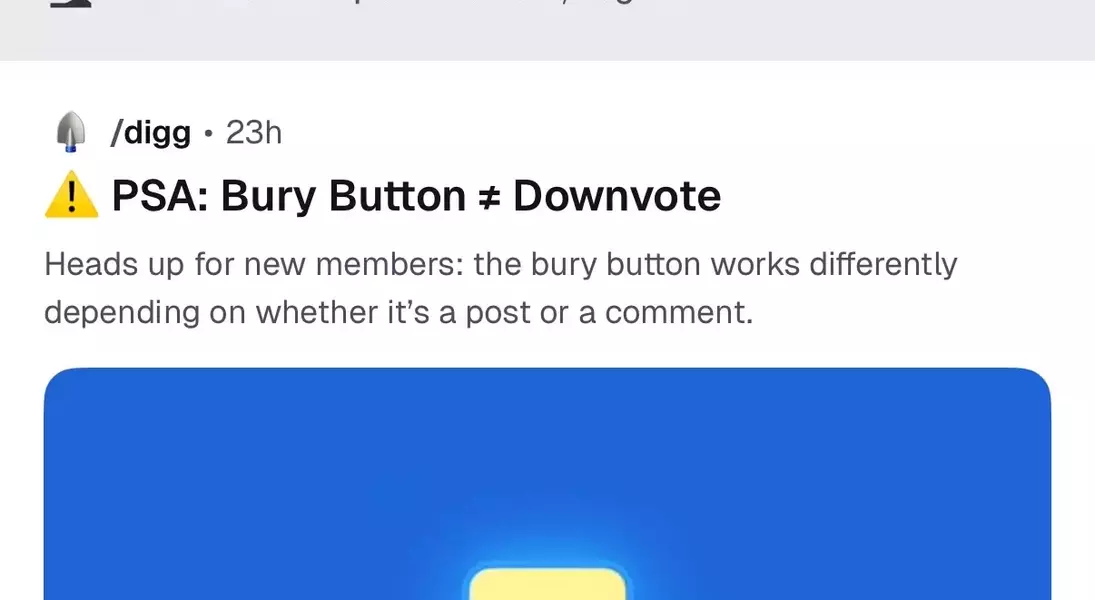
Digg has officially launched its updated mobile applications for iOS and Android, marking a significant step in its revival. The current iteration, which I've had the opportunity to explore on iOS, presents a straightforward yet potentially impactful user interface. Operating on a system similar to Reddit, users can submit links that are then subject to community upvotes, known as 'diggs', to promote visibility. Conversely, a 'bury' option exists, though its primary function is to tailor individual content feeds rather than directly impact post visibility. Despite its foundational nature, this initial release signifies a promising start for a platform aiming to redefine its presence in the digital sphere, with a clear focus on user-driven content curation and engagement.
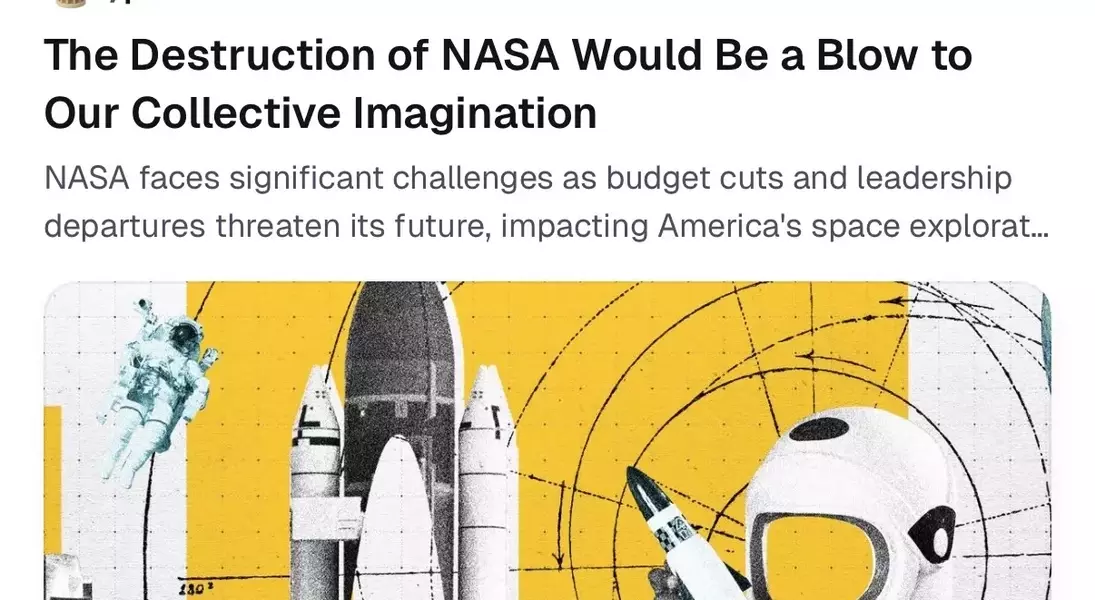
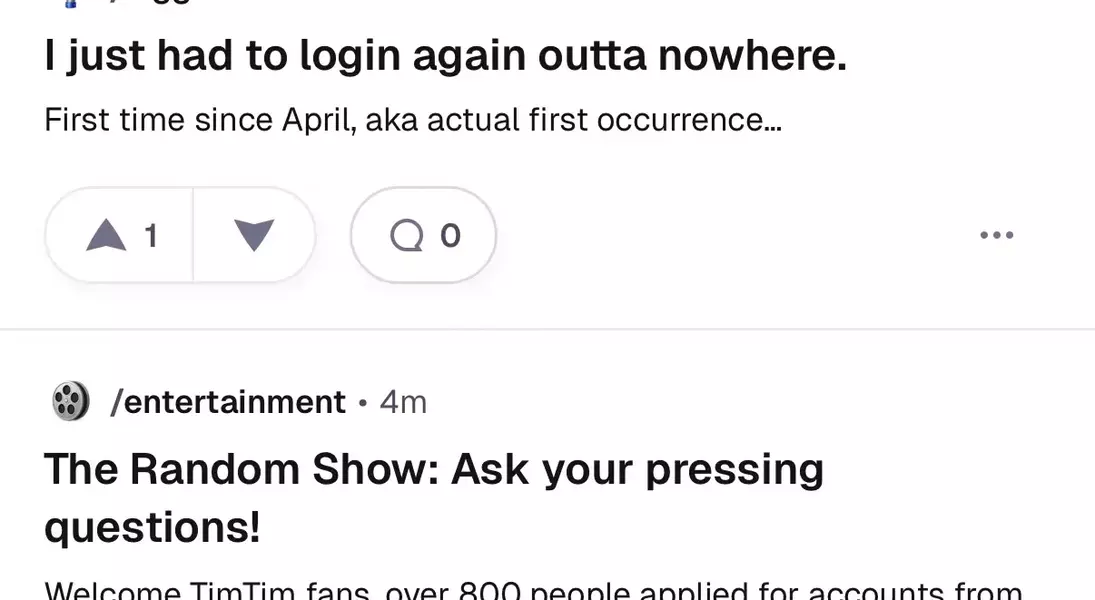
The application's home screen is organized into distinct categories: Trending, Most Dugg, Newest, and Heating Up. While the precise distinction between 'Trending' and 'Heating Up' remains somewhat ambiguous, content within the latter consistently appears to be more current. Users have the flexibility to filter content based on 'My Feed', which showcases submissions from followed communities, or 'All Digg', encompassing all platform content. Currently, community options are broad, covering diverse interests from /AMA to /technology. Each post provides the original content, images, and, notably, AI-powered 'TL;DR' summaries for linked articles, powered by 'Digg Intelligence'. This feature, so far, operates seamlessly. Below the main content, users can engage with threaded comments, further digging or burying them. While some initial technical glitches were observed, the overall functionality is robust, laying a solid groundwork for future enhancements and a potential re-establishment of Digg's influence in the online content landscape.
Navigating the Path Forward: Features, Community, and Potential Growth
The current iteration of Digg's mobile application, while stable and functional, is notably streamlined compared to its more established counterparts. The absence of features like private messaging and user-generated niche communities highlights its early development stage. This simplified approach means that the rich, diverse community interactions often found on platforms like Reddit, where hyper-specialized subreddits cater to every conceivable interest, are not yet replicated. The limited user base, due to its invite-only access, further restricts the organic growth of content and interaction that defines a thriving social news platform. Despite these current limitations, the core mechanics are in place, providing a clean and intuitive experience for consuming curated content.
The longevity and success of Digg's resurgence will depend heavily on its capacity to evolve and expand its feature set while fostering a vibrant, self-sustaining community. The web application, launched earlier in July, mirrors the mobile app's foundational design, underscoring a consistent vision across platforms. Adding features such as direct messaging, enabling user-created communities, and promoting broader content diversity will be crucial for attracting and retaining a larger audience. The platform's ability to overcome its initial "bare-bones" status and deliver a more comprehensive and engaging experience will determine if it can indeed reclaim its past prominence as a leading source for discovering and discussing trending internet content. It faces a challenging but not insurmountable path to regain relevance in a crowded digital ecosystem.
