

"Diffusion" stands as a monumental achievement in fan-made gaming content, a comprehensive modification for "Half-Life" that redefines what's possible within the confines of an aging game engine. Its decade-long development journey has culminated in an experience that, at times, evokes the same sense of wonder as professional remakes, pushing the boundaries of the original game's technical limitations while delivering diverse and imaginative environments. The mod's narrative may be secondary, but its true triumph lies in its inventive level design and gameplay mechanics, offering players a fresh perspective on a beloved classic.
This ambitious project, titled "Diffusion," operates on the Xash3D engine, an open-source platform that, while sharing its foundation with "Half-Life's" native GoldSrc technology, boasts significant enhancements. These improvements include support for high-definition textures and dynamic lighting, allowing for a visual fidelity far beyond what the original game could achieve. Furthermore, Xash3D facilitates standalone launchers, simplifying the installation and playing process for users. The game casts players as James Smith, a seasoned SWAT officer whose vacation takes an unexpected turn when his car breaks down near a clandestine research facility. This unfortunate incident spirals into a grand, interdimensional conflict, with Smith donning a prototype battlesuit that grants him health regeneration, enhanced mobility, and electrical area-of-effect attacks.
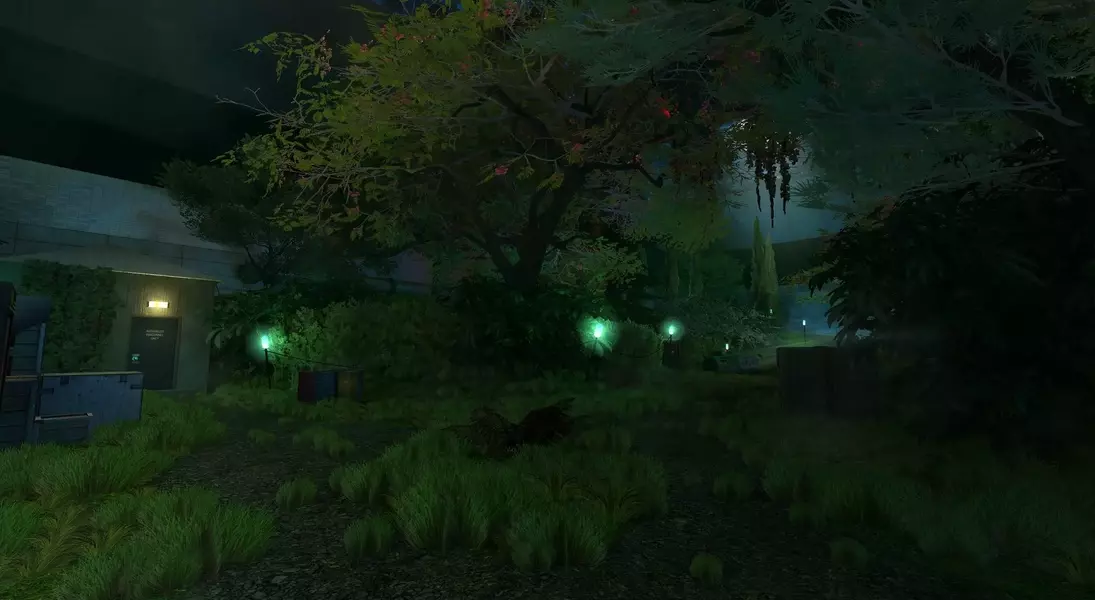
Initially, "Diffusion's" narrative adheres to familiar tropes, focusing more on expansive level design than intricate storytelling. The early chapters pay homage to the "Black Mesa" remake, immersing players in a mix of combat challenges and environmental puzzles set within scientific laboratories, industrial warehouses, and administrative offices. Even in these seemingly conventional settings, the mod introduces impressive visual details, such as a meticulously crafted artificial rainforest within an organics lab, showcasing the technical prowess of the Xash3D engine. Despite these initial similarities to traditional "Half-Life" experiences, "Diffusion" gradually begins to unveil its unique vision.
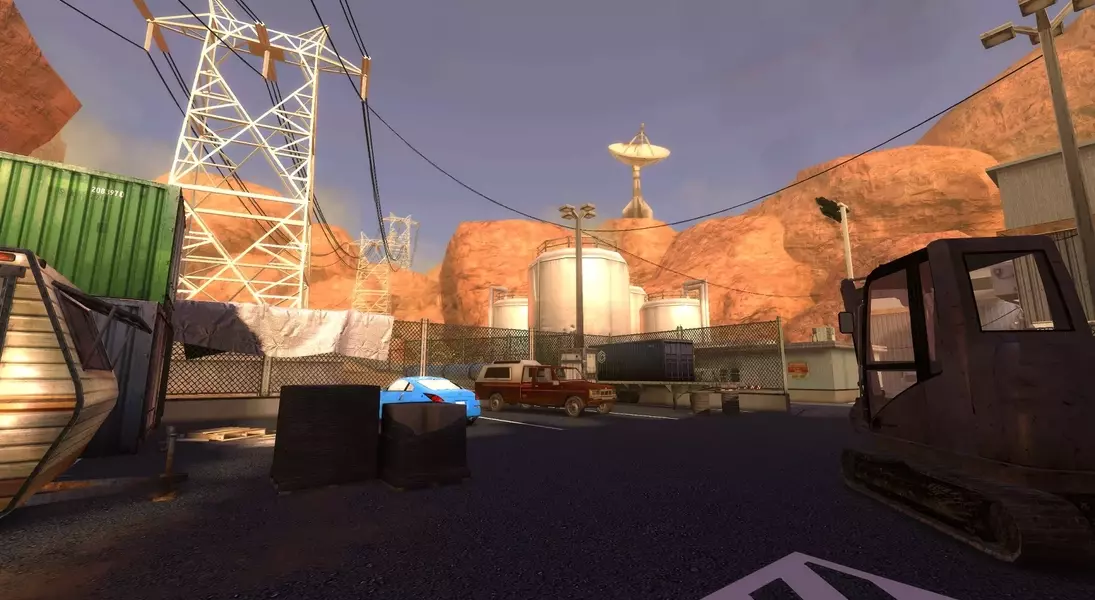
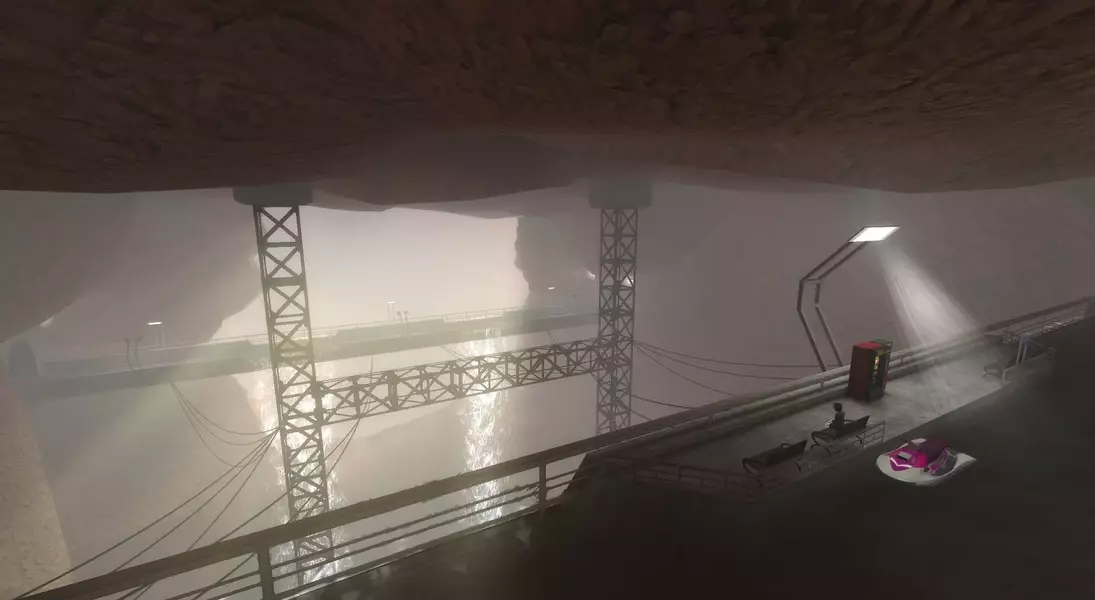
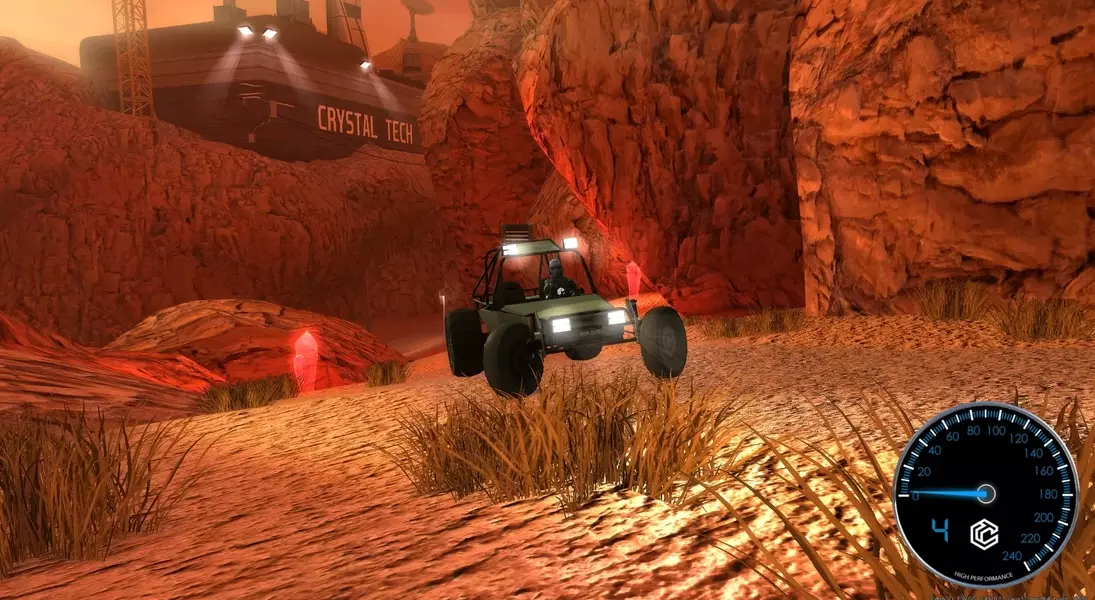
A significant departure from the original "Half-Life" formula emerges in the second chapter, where players are transported to the Red Dimension. This alien landscape, a reinterpretation of the Utah desert, introduces fully functional drivable vehicles like rocket buggies, Humvees, and even a jet ski for navigating subterranean rivers. These vehicle segments, a technical impossibility in the vanilla "Half-Life" engine, are not only well-implemented but also genuinely enjoyable, offering intuitive controls and physics. The thrill of speeding across the alien terrain and even running over enemies adds a new layer of visceral satisfaction to the gameplay.
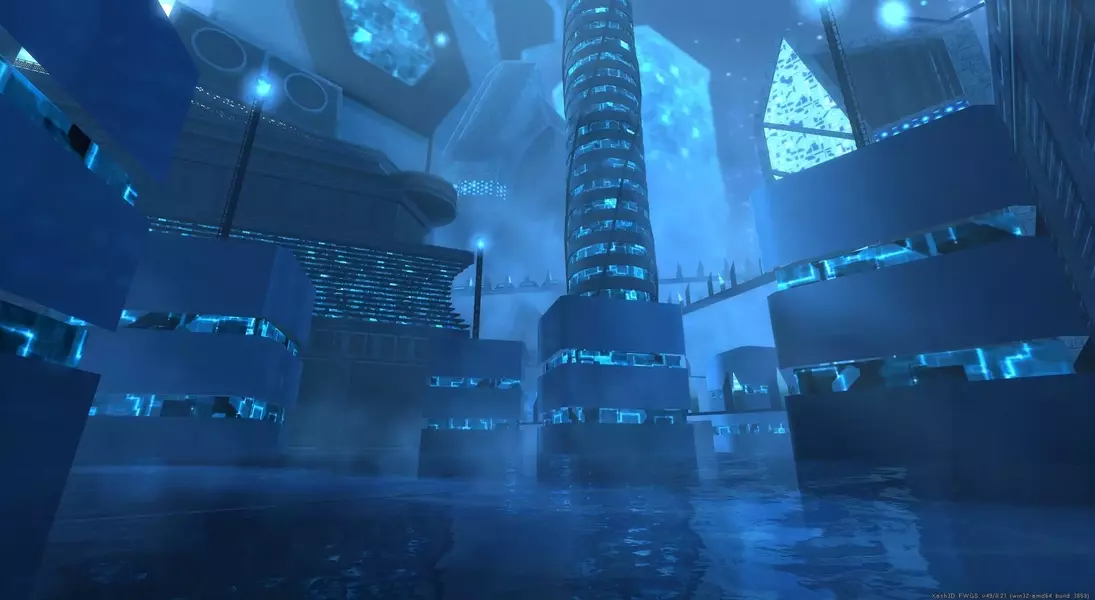
However, it is in the third chapter, the Blue Dimension, that "Diffusion" truly distinguishes itself. Abandoning the familiar desertscapes, this chapter plunges players into a sprawling alien metropolis ruled by a rogue AI and populated by robotic adversaries. The sheer scale and architectural grandeur of the ice-blue megastructures and the detailed cityscape viewed through windows and exterior sections are breathtaking. The level design cleverly incorporates portal-doors and elevators, creating a sense of non-Euclidean space that further enhances the alien atmosphere. Combat also evolves, with Smith wielding plasma weapons and charged sniper rifles against a diverse array of robotic foes, making for encounters that feel more akin to "Halo" than traditional "Half-Life."
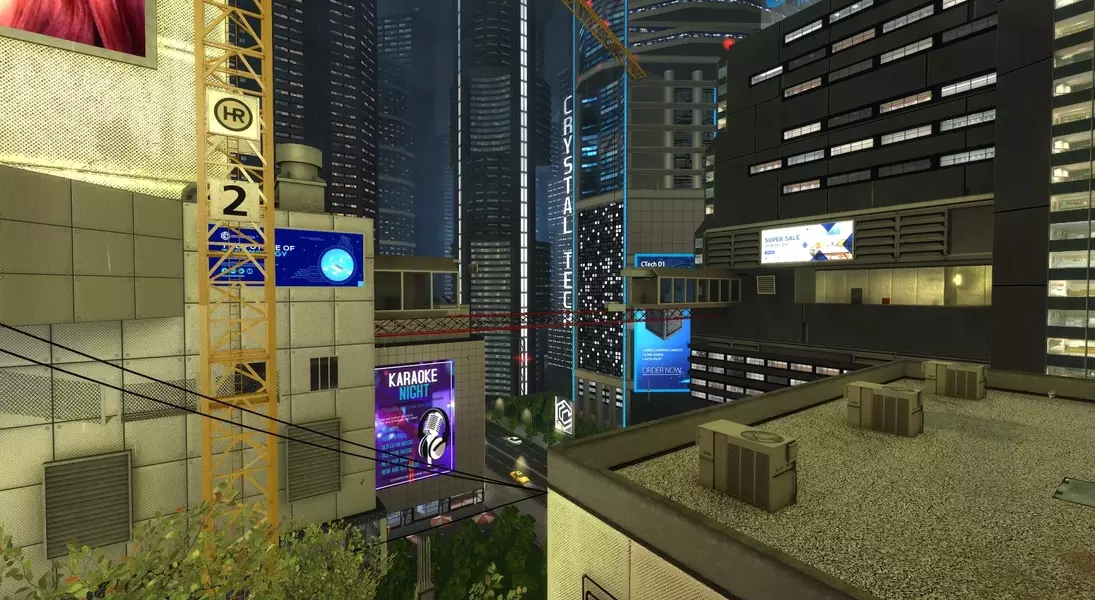
Following the awe-inspiring Blue Dimension, players are returned to Earth, not to the mundane Utah desert, but to Mega City, a towering cyberpunk metropolis. This final chapter, though shorter, continues to impress with its dynamic urban backdrop of colossal skyscrapers, animated billboards, and holographic advertisements. The mod's ability to render such a complex and visually rich environment on an engine with its roots in "Quake" technology is a testament to the developers' dedication and ingenuity. Despite the mod's strengths, a notable flaw lies in its use of AI-generated voices, which detract from the immersion due to their robotic intonation and awkward phrasing. However, the developer has committed to re-recording these lines with human voice actors, an update eagerly awaited by the community.
The creation of "Diffusion" is a powerful illustration of human ingenuity and persistent effort. Every painstakingly modeled tree, every thoughtfully lit corridor, and every elaborately retouched advertisement within the game reflects the immense time and dedication invested over a decade. While some protracted development cycles can lead to underwhelming results, "Diffusion" stands as a clear counter-example, with every minute of its creation evident in the high quality and immersive detail of the final product. The developer's commitment to improving the experience by replacing AI voices with human performances further solidifies "Diffusion" as a remarkable and highly recommended fan-made project.
