







When considering health and wellness in the kitchen, it's insightful to hear from registered dietitians about what kitchen items they would avoid. Their expertise highlights concerns about certain materials and their potential impact on our well-being. By making conscious choices about our kitchen tools, we can create a safer and more wholesome environment for food preparation and storage.
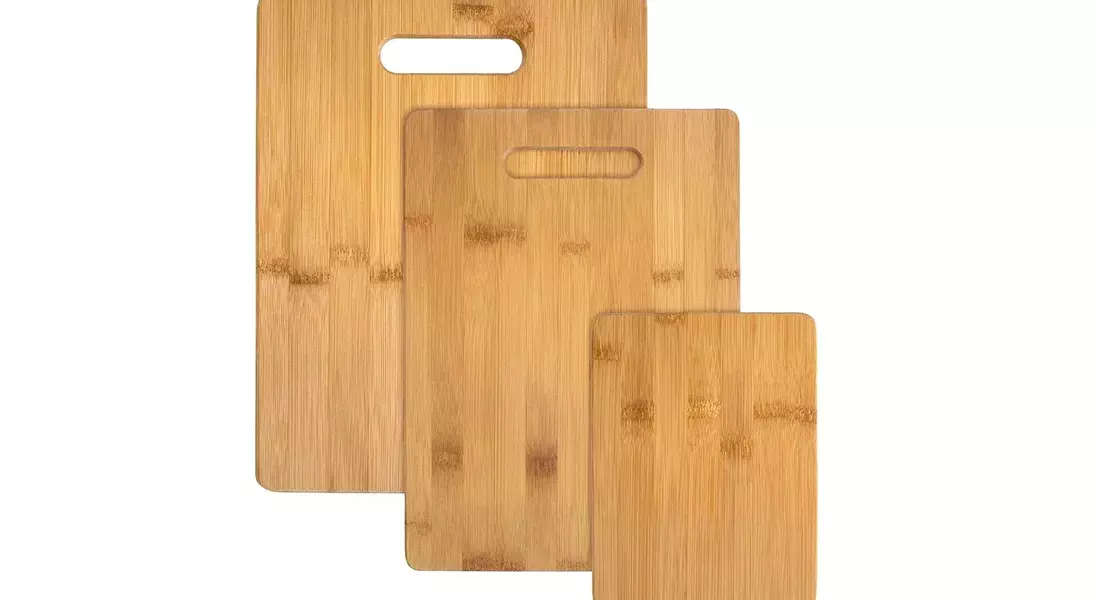
A primary concern revolves around plastics. Plastic cutting boards, for instance, are known to shed microplastics, which can then be ingested. Experts recommend switching to wooden, bamboo, or glass alternatives to minimize this exposure. Similarly, many nonstick pans contain chemicals like PFOAs and PFAS, often referred to as 'forever chemicals,' which can be released when heated. Opting for cast iron, stainless steel, or ceramic-coated pans offers a more durable and safer cooking solution. Even plastic food storage containers can leach harmful compounds such as BPA and phthalates, especially when heated or used with acidic foods. Glass containers are a safer and more sustainable choice for storing and reheating food. Furthermore, single-use plastic water bottles can be replaced with reusable stainless steel options to reduce plastic waste and potential chemical exposure. Beyond plastics, dietitians also suggest swapping deep fryers for air fryers, promoting healthier cooking methods that require less oil, and emphasizing the importance of quality knives over dull, small, or cheap ones to enhance safety and efficiency in meal preparation.
Transitioning to these recommended alternatives does not require an immediate overhaul; a gradual replacement of items as budget allows is a practical approach. Many of these suggested swaps, such as cast iron pans or glass storage containers, offer long-term benefits beyond health, including increased durability and improved cooking performance. Embracing these changes not only fosters a healthier living space but also contributes to greater sustainability by reducing reliance on disposable and chemically questionable products.
By prioritizing thoughtful choices in our kitchens, guided by expert advice, we align our daily practices with principles of health and environmental responsibility. This proactive approach to household items transforms our kitchens into spaces that nurture well-being and promote a more sustainable future.
