
This feature embarks on an engaging analysis of the distinct visual presentations of Diddy Kong Racing's cover art across different regions, specifically North America, Europe, and Japan. Released to commemorate the game's thirtieth anniversary, the discussion centers on how each version uniquely captures the essence of this beloved title. The article meticulously examines various elements, including the dynamic arrangement of characters, the intricate details of the background, and the overarching aesthetic style, inviting readers to appreciate the creative decisions behind each design. It also briefly acknowledges the game's significant impact as a pivotal release on the Nintendo 64 console.
Furthermore, the article alludes to a community poll where fans actively participated in selecting their favored box art, underscoring the enduring appeal and nostalgic value of Diddy Kong Racing. This comparative exploration not only sheds light on the artistic nuances of game packaging but also serves as a tribute to a classic that continues to resonate with players worldwide.
A Tale of Two Covers: Regional Artistic Interpretations
The comparative analysis of Diddy Kong Racing's box art from North America/Europe and Japan reveals fascinating insights into regional marketing strategies and artistic preferences. The North American and European version, characterized by its horizontal layout, prominently features Diddy Kong leading a vibrant cast of racers against a backdrop that hints at the game's adventurous spirit. This cover is often lauded for its directness and nostalgic appeal, encapsulating the game's core elements of speed and character interaction within a well-framed composition. The inclusion of subtle details, such as Wizpig emitting a lightning bolt, adds a dynamic touch, symbolizing the competitive essence of the racing experience. This design aims to immediately convey excitement and familiarity, drawing in players with its clear portrayal of the game's protagonists and a sense of imminent action.
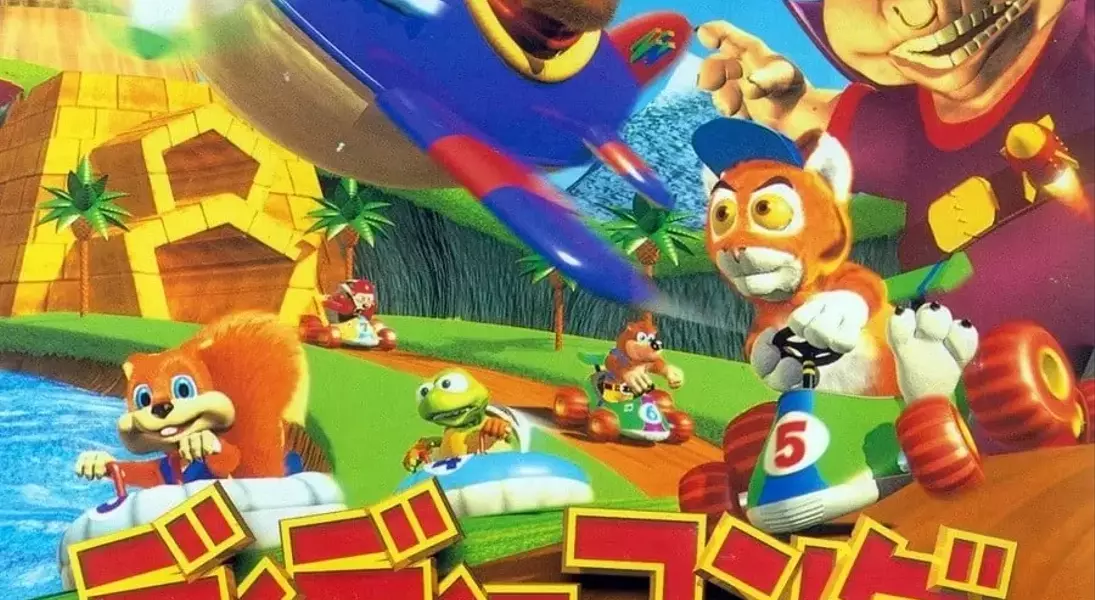
In contrast, the Japanese box art adopts a vertical, portrait-style format, allowing for a broader and more expansive visual narrative. This rendition features Diddy Kong soaring above the game's title, surrounded by an even larger ensemble of characters, including fan favorites like Conker and Banjo, which are strategically placed to emphasize the rich roster. The Japanese design intricately integrates elements of the race track into the background, providing a clearer context of the racing environment and imparting a heightened sense of motion and energy. While it foregoes the dramatic lightning bolt seen in its Western counterpart, its emphasis on a more crowded and detailed scene contributes to a feeling of greater dynamism and a more comprehensive representation of the game's world. This approach caters to an audience that appreciates intricate details and a full cast of characters, offering a more immersive visual preview of the game's offerings.
Diddy Kong Racing's Enduring Appeal and Box Art Legacy
Diddy Kong Racing continues to hold a special place in the hearts of many gamers, largely due to its innovative blend of kart racing, adventure, and diverse vehicle types. The game's 30th anniversary provides an opportune moment to reflect on its legacy, including the iconic box art that introduced it to the world. The differing regional covers serve as more than just packaging; they are artistic interpretations that reflect cultural nuances and marketing approaches. The North American and European cover, with its focus on Diddy Kong and a straightforward, action-oriented scene, successfully captured the attention of a broad audience, fostering a strong sense of nostalgia among those who grew up with the N64. Its immediate visual impact and clear presentation of key characters contributed significantly to its recognition and beloved status.
Conversely, the Japanese box art, by showcasing a wider array of characters and a more elaborate background that hints at the game's detailed environments, offered a different, yet equally compelling, invitation to play. This version's artistic choice to pack in more visual information, including beloved Rare characters like Conker and Banjo, appealed to fans who valued depth and character diversity. The recent poll comparing these two distinct designs underscores the ongoing discussion and appreciation for video game art, highlighting how cover art can shape initial perceptions and contribute to a game's lasting cultural footprint. Regardless of personal preference, both covers stand as testaments to the creative vision behind Diddy Kong Racing, a game that remains a cherished classic and a benchmark for the kart racing genre.
