In the expansive universe of action RPGs, particularly within the Diablo saga, Diablo III has carved out a unique and often misunderstood niche. While its predecessors and successors garner specific forms of reverence or critique, Diablo III stands apart as a surprisingly robust and persistently engaging title. This game, despite facing initial backlash for its aesthetic choices, launch difficulties, and early game mechanics, has undergone a significant transformation, emerging as a remarkably welcoming and rewarding experience for both new and veteran players alike. It defies the typical criticisms leveled at its sibling titles, offering a streamlined, dynamic, and endlessly replayable adventure that continues to captivate its dedicated player base.
The journey of Diablo III from a controversial launch to a beloved classic is a testament to Blizzard's commitment to refinement. Originally criticized for its vibrant art style, problematic real-money auction house, and network instability, the game found its footing with the release of the 'Reaper of Souls' expansion in 2014 and subsequent console adaptations. These critical updates polished its mechanics, enriched its content, and broadened its appeal, effectively addressing many of the community's concerns. Unlike the hardcore demands of Diablo II or the ongoing live-service complexities of Diablo IV, Diablo III offers a balanced and intuitive gameplay loop that remains fresh and engaging, even after over a decade since its release.
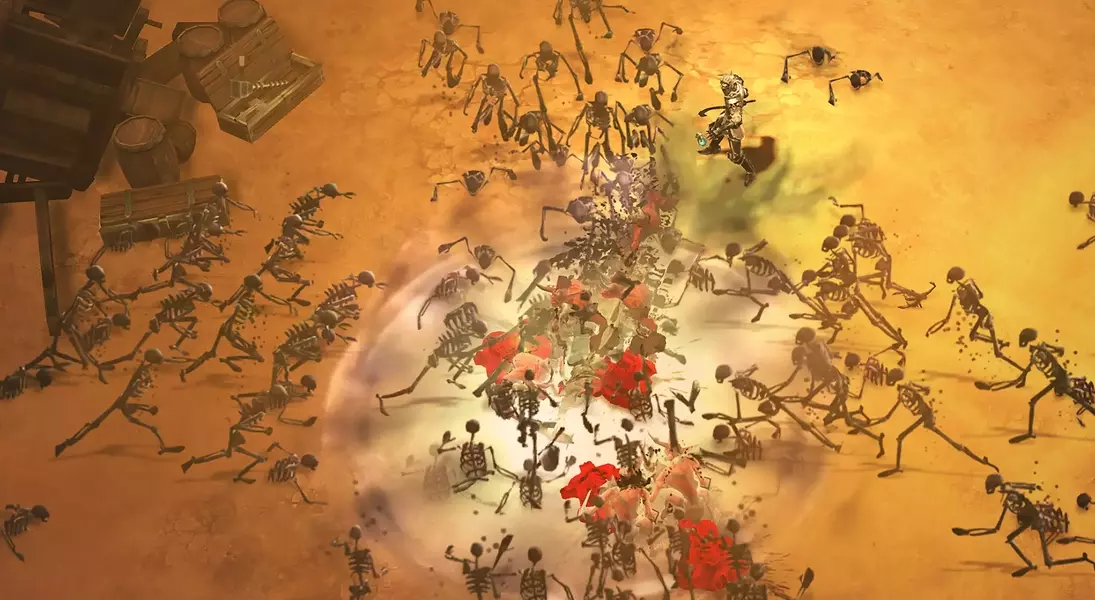
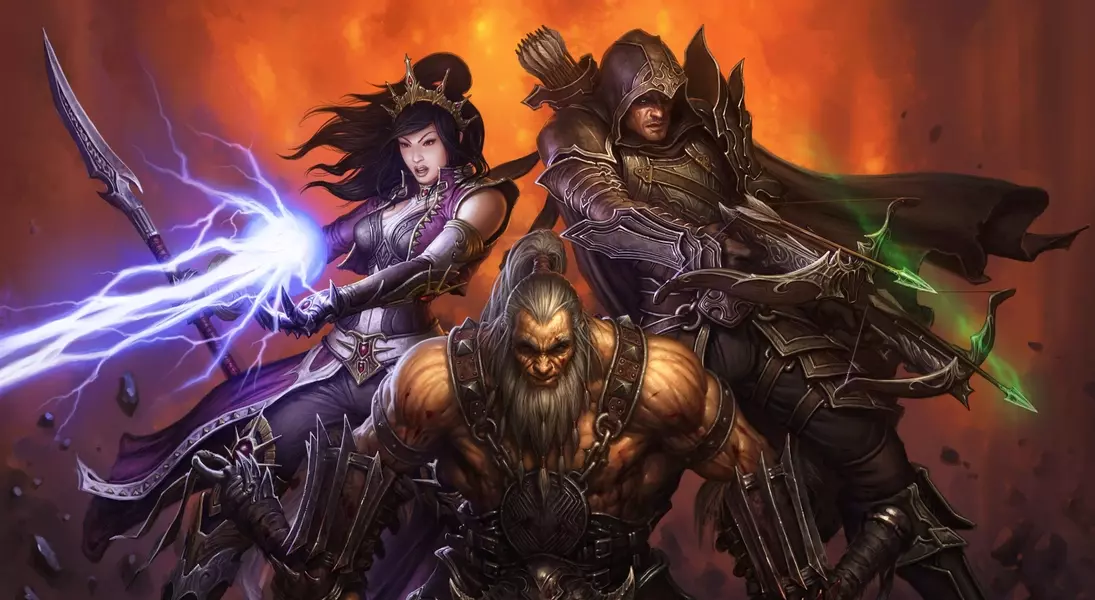
One of Diablo III's most compelling attributes is its 'arcade sensibility' seamlessly integrated into a deep computer RPG framework. This design philosophy emphasizes immediate gratification and intuitive gameplay over overly complex systems. Combat is exceptionally fluid, focusing on strategic positioning and crowd control, with a unique health potion mechanic that encourages constant movement. Character progression is highly adaptable, allowing players to fluidly swap skills and runes without the rigid constraints of traditional skill trees. This approach enables spontaneous build adjustments based on looted gear, fostering a dynamic and ever-evolving playstyle that keeps the experience consistently exciting. The finely tuned classes, such as the electrifying Wizard and the distinct Monk, Crusader, and Demon Hunter, further contribute to this vibrant combat experience, showcasing Blizzard's mastery in character design.
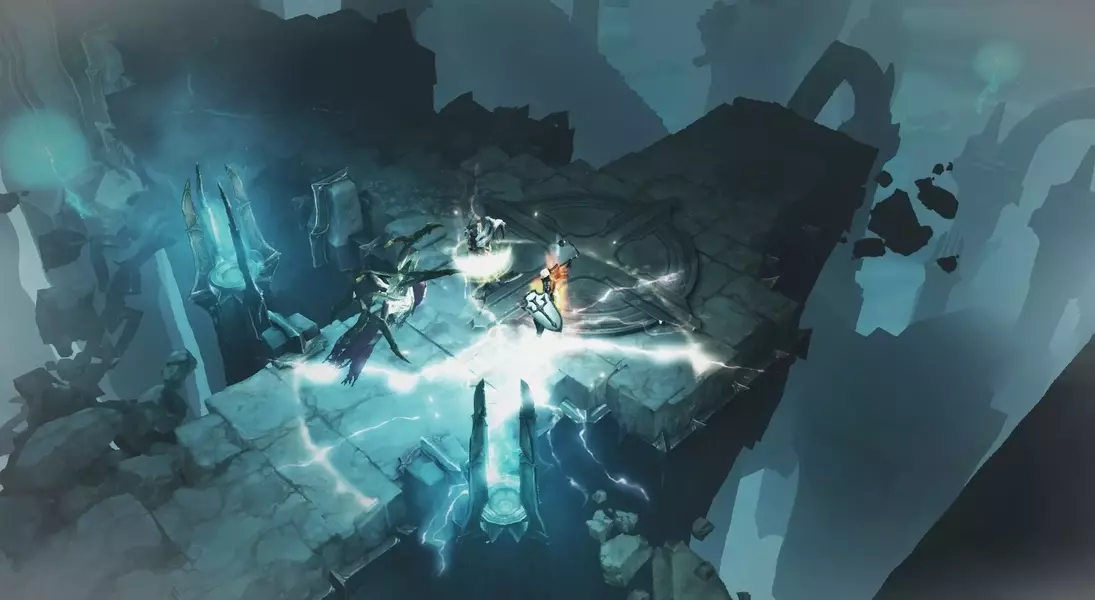
Beyond its core gameplay, Diablo III's 'Adventure Mode' offers an expansive and endlessly varied post-campaign experience. This mode transforms the game world into a massive canvas for randomized missions, bounties, and the exhilarating Nephalem Rifts—dungeons that deliver escalating challenges and rewards. This dynamic content generator ensures that the monster-slaying and character progression remain consistently engaging, providing a context-free, pure action RPG thrill. Moreover, the console version of Diablo III stands out as one of the best local co-op games available. Its seamless drop-in/drop-out multiplayer functionality, combined with a streamlined user interface, allows up to four friends to immerse themselves in the game's chaotic yet satisfying mayhem, fostering a natural rhythm of intense combat and convivial downtime for loot sorting and build optimization.
Despite being occasionally overshadowed by its siblings, Diablo III has cultivated a strong following due to its accessible nature and continuous playability. It serves as an ideal entry point for newcomers to the series, offering a less daunting yet deeply rewarding journey compared to the more intense experiences of Diablo II and the expansive, ever-changing landscape of Diablo IV. The game's capacity to deliver immediate fun, coupled with its robust, long-term content and exemplary co-op features, solidifies its position as a remarkable and much-loved chapter in the Diablo legacy.
