Despite the recent launch of Diablo 4, its predecessor, Diablo 3, continues to boast a robust and active community, attracting millions of players who regularly return for its engaging seasonal content. Blizzard strategically manages the release of seasonal ladders across its Diablo titles—Diablo 2, Diablo 3, and Diablo 4—to ensure that each game's offerings are distinct and do not compete, allowing enthusiasts to experience the unique flavor of each installment at different times.
Many players, including the author, have been exploring the latest additions to the Diablo universe, such as the new warlock class in Diablo 2 Resurrected. While Diablo 2, even in its remastered form, has its quirks like the persistent stamina bar that even its creator, David Brevik, has critiqued, and Diablo 4 introduces its own complexities with numerous currencies to manage, Diablo 3 remains a comforting middle ground for many. Matthew Cederquist, Diablo legacy executive producer at Blizzard, highlighted the enduring popularity of Diablo 3 in a recent interview, stating that millions still actively engage with the game.
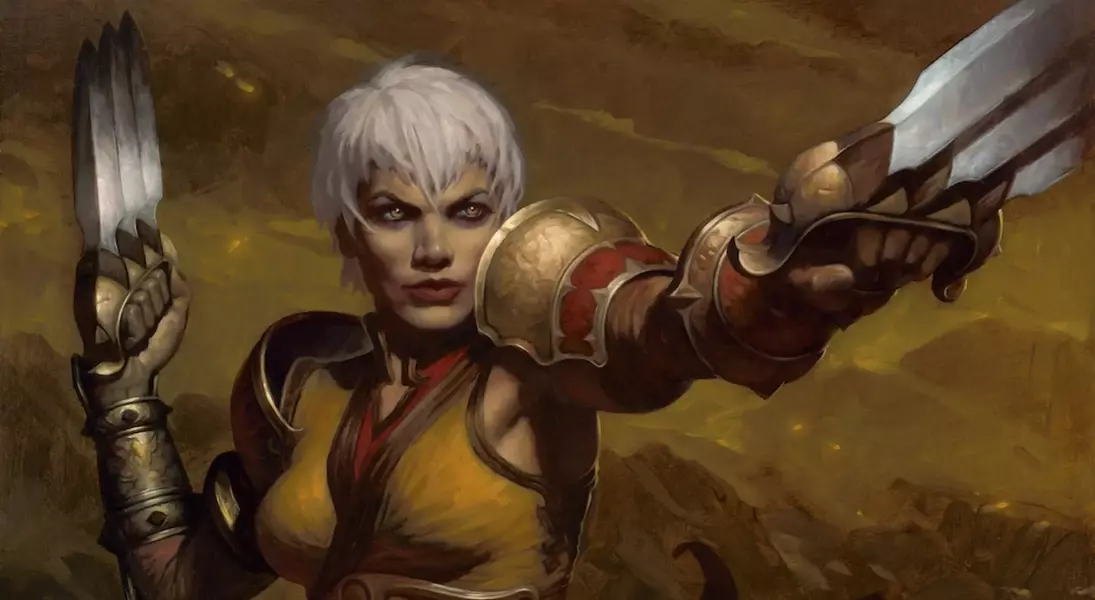
Cederquist further explained that even with Diablo 4's debut, a significant portion of Diablo 3's player base has remained loyal. He noted a fascinating trend where players often migrate between Diablo 4 and Diablo 3 (and even Diablo 2) at the start of each new ladder season. This cyclical engagement demonstrates the unique appeal of each title, with players diving into a particular Diablo experience for a week or so before transitioning to another. Diablo 3, despite its initial tumultuous launch, has evolved into a beloved action RPG thanks to continuous patches and updates. Its various classes offer enjoyable gameplay, with memorable abilities like the Monk's giant bell summon.
The structured seasonal ladders are a primary driver of this sustained player retention. Blizzard meticulously plans these seasons to avoid overlap between Diablo 2 Resurrected, Diablo 3, and Diablo 4. This deliberate scheduling allows players to fully immerse themselves in each game's seasonal content without feeling pressured to choose. It fosters an environment where players can freely explore the diverse gameplay experiences offered by the different Diablo titles, ensuring that each installment maintains its own vibrant community and dedicated following.
The continued success of Diablo 3 underscores its strong appeal, with its refined gameplay and distinct seasonal mechanics captivating a large audience. Blizzard's thoughtful approach to managing its diverse Diablo portfolio ensures that each game, from the classic Diablo 2 to the contemporary Diablo 4, can flourish independently while collectively offering a rich and varied experience for its dedicated fanbase.
