DHT Holdings is currently showcasing impressive cash flow generation, a direct result of the elevated rates in the Very Large Crude Carrier (VLCC) market. Despite these strong operational achievements, the company's stock price has yet to fully reflect its underlying financial strength. Forecasts indicate that the second-quarter annualized yield could potentially surpass 20%, with an estimated earnings per share (EPS) of approximately $0.9 and a dividend yield climbing above 22%. The company's shares are trading at 1.1 times its net asset value (NAV); if market rates remain robust, a valuation of 1.3 times NAV would suggest a fair value of $20 per share, offering a substantial 20% upside. However, the company faces potential risks, including a prolonged disruption in the Strait of Hormuz or a global economic downturn. Nevertheless, DHT's extensive charter coverage acts as a crucial safeguard, ensuring a foundational level of profitability even in challenging market conditions.
DHT Holdings Navigates High Seas with Robust Q2 Performance Projections
In the dynamic realm of global shipping, DHT Holdings, a prominent player in the Very Large Crude Carrier (VLCC) segment, is poised for an exceptionally strong second quarter, according to recent analyses. Amidst a period of significantly elevated VLCC rates, the company is generating substantial cash flows, a testament to its operational efficiency and strategic positioning in the market. Industry observers, such as Melissa Tucker, project an impressive annualized yield exceeding 20% for the second quarter, with earnings per share (EPS) anticipated to be around $0.9. This robust performance is expected to translate into a dividend yield surpassing 22%, offering attractive returns to investors.
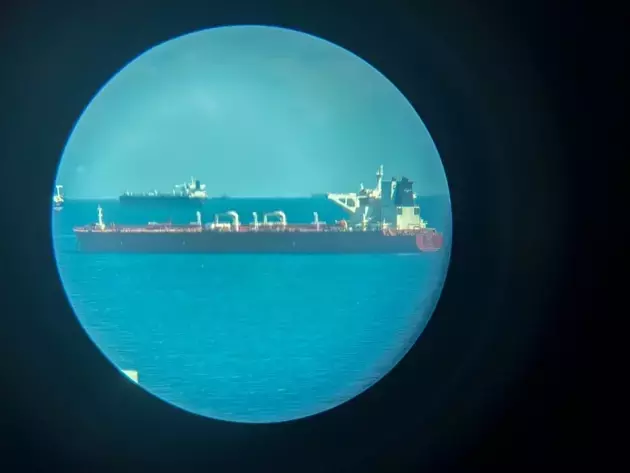
Currently, DHT Holdings' stock is valued at 1.1 times its net asset value (NAV). Should the prevailing favorable market conditions for tanker rates persist, a revaluation to 1.3 times NAV is considered plausible, implying a fair value of $20 per share. This scenario presents a potential upside of 20% for shareholders, highlighting the disconnect between the company's current stock price and its strong fundamental performance. The company's fleet of tanker vessels, as depicted in recent imagery from Getty Images, symbolizes its critical role in global energy transportation.
However, the shipping industry is inherently susceptible to geopolitical and economic volatilities. Potential risks to this optimistic outlook include a prolonged closure of the Strait of Hormuz, a vital chokepoint for global oil shipments, or a significant global recession that could depress demand for crude oil transportation. Despite these macroeconomic headwinds, DHT Holdings maintains a strong baseline profitability through its robust charter coverage. This strategic measure ensures a predictable revenue stream and mitigates the impact of short-term market fluctuations, providing a degree of stability in an otherwise volatile sector.
Navigating Market Currents: A Reflection on DHT Holdings' Trajectory
The impressive financial trajectory of DHT Holdings in the current high-rate VLCC market offers compelling insights into the interplay between global economic forces and niche industry performance. As a market observer, I find the stark contrast between DHT's robust operational earnings and its seemingly undervalued stock price particularly thought-provoking. It underscores a common challenge in capital markets: the delayed or incomplete recognition of fundamental strength by investors, even amidst clear signals of profitability and growth potential.
The projected Q2 dividend yield, potentially exceeding 22%, is not merely a number; it's a powerful indicator of significant cash generation and a strong commitment to shareholder returns. This could suggest a unique opportunity for value-oriented investors who are willing to look beyond immediate market sentiment and delve into the underlying economic realities driving the tanker industry. The sensitivity of the industry to geopolitical events, such as the situation in the Strait of Hormuz, and broader economic shifts like recessions, serves as a crucial reminder of the inherent risks. Yet, DHT's strategic implementation of strong charter coverage demonstrates a prudent approach to risk management, offering a cushion against unforeseen disruptions.
Ultimately, DHT Holdings' current position highlights the importance of discerning analysis in investment decisions. For those tracking the energy and shipping sectors, this situation presents a valuable case study: can a company's robust fundamentals and strategic resilience overcome broader market skepticism, leading to a eventual re-rating that aligns its valuation with its true earning power? The coming quarters will undoubtedly provide a definitive answer, shaping the narrative for both the company and its astute investors.
