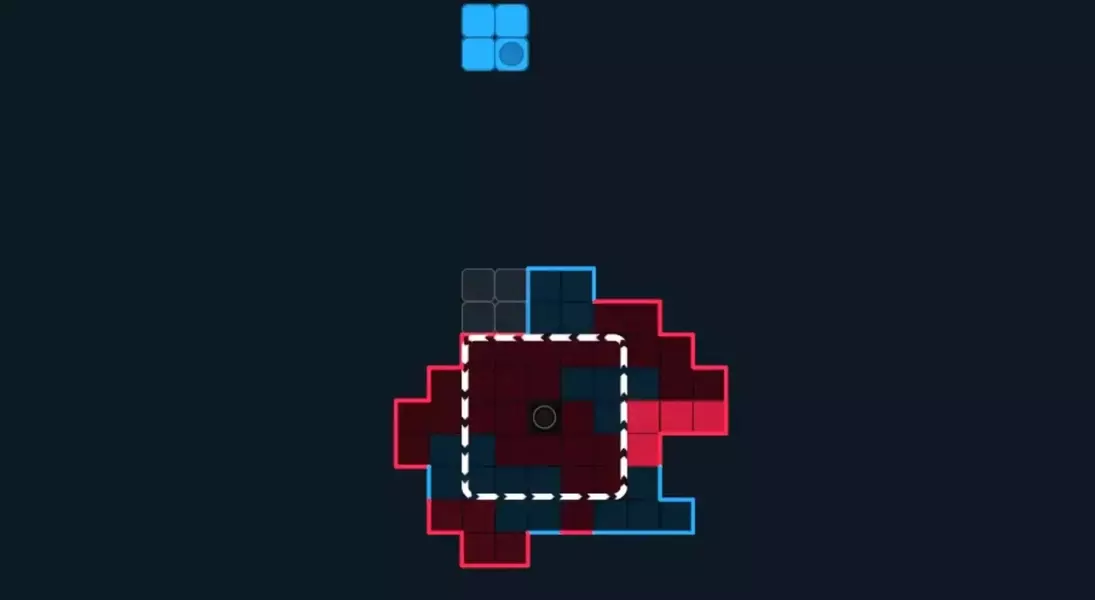
A recent incident in the gaming industry has highlighted the accelerating pace at which original concepts can be replicated, with one developer's innovative prototype being mimicked within hours of its public display. Freya Holmér, a game developer and technical artist, unveiled a unique take on the classic block-dropping puzzle game. Her version introduced a rotational mechanic where the game screen reorients 90 degrees with each block successfully placed, a concept she shared online to gauge interest, asking, "Is this anything?" The overwhelmingly positive feedback, including millions of views and expressions of excitement from prominent figures like Tim Schafer, confirmed the appeal of her creation.
Despite the encouraging reception, the excitement was short-lived as a copycat version, reportedly created with AI assistance, surfaced online in less than five hours. Holmér expressed deep frustration, stating that such rapid imitation disincentivizes sharing creative progress, especially when "slop ghouls" are ready to exploit ideas, whether through AI or other means. This sentiment was echoed by the fact that the individual who developed the clone openly admitted to using AI to quickly build the game after seeing Holmér's concept. This scenario is not new in the gaming world, where successful titles often face a barrage of imitations on app stores, as seen with games like Lethal Company, Among Us, Wordle, and Unpacking.
Holmér pointed out that AI coding tools significantly amplify the speed at which imitators can capitalize on original ideas, transforming the landscape for independent creators. While she acknowledged a grudging motivation to "prove them wrong," the pressure to expedite her own game's development to secure her claim is immense, forcing her to rush through creative exploration. Her primary advantage, she believes, lies in the imitators' "incapability of original thought," suggesting that while they can replicate, they lack the creativity to truly evolve the concept. This situation underscores the critical need for a balance between rapid innovation and the protection of intellectual property, fostering an environment where creativity can flourish without immediate fear of appropriation.
Innovation thrives when creators feel secure in sharing their work. This incident should prompt a broader discussion within the tech and creative communities about ethical development and the safeguarding of original ideas, ensuring that the advancement of tools like AI empowers rather than undermines human ingenuity. It is imperative to support and protect the original visionaries who bring fresh perspectives to the world, allowing them the space and time to fully realize their creative potential.
