




Dan Marshall, the visionary director behind Size Five Games, offers a compelling glimpse into his personal gaming landscape and essential PC tools. His journey, which began with the groundbreaking “Wolfenstein 3D” and continues with his current deep dive into “Atomfall,” reveals a developer deeply engaged with the mechanics and narratives of video games. Marshall's reflections underscore his preference for interactive experiences that empower player choices and their subsequent outcomes. Furthermore, he candidly discusses the non-gaming software that has become an indispensable part of his daily workflow, showcasing a blend of personal passion and professional pragmatism.
Marshall's narrative provides a unique insight into how his formative gaming experiences, characterized by pioneering titles, have influenced his design philosophy. His current engagements, particularly with games that prioritize player agency and meticulous exploration, reflect a discerning taste that values depth over superficial complexity. The discussion also touches upon his long-standing commitment to certain games, illustrating a loyalty born from exceptional gameplay and replayability. This exploration of his digital world not only reveals his gaming heart but also the practical elements that underpin his creative endeavors, painting a comprehensive picture of a modern game developer.
The Evolution of a Gamer: From Classic Shooters to Modern Adventures
Dan Marshall's journey into the world of PC gaming began profoundly with “Wolfenstein 3D,” a title that left an indelible mark on his young mind. He recounts how this early encounter, characterized by its innovative 3D graphics and intense action, redefined his understanding of what video games could be. This foundational experience sparked a lifelong passion that eventually led him to become a prominent indie game director. Marshall's studio, Size Five Games, is known for its diverse portfolio, including the nostalgic point-and-click adventure “Time Gentlemen, Please!,” the strategic heist simulator “The Swindle,” and the critically acclaimed hybrid “Lair of the Clockwork God.” These titles reflect a developer who is not only inspired by gaming history but also dedicated to pushing creative boundaries in interactive storytelling.
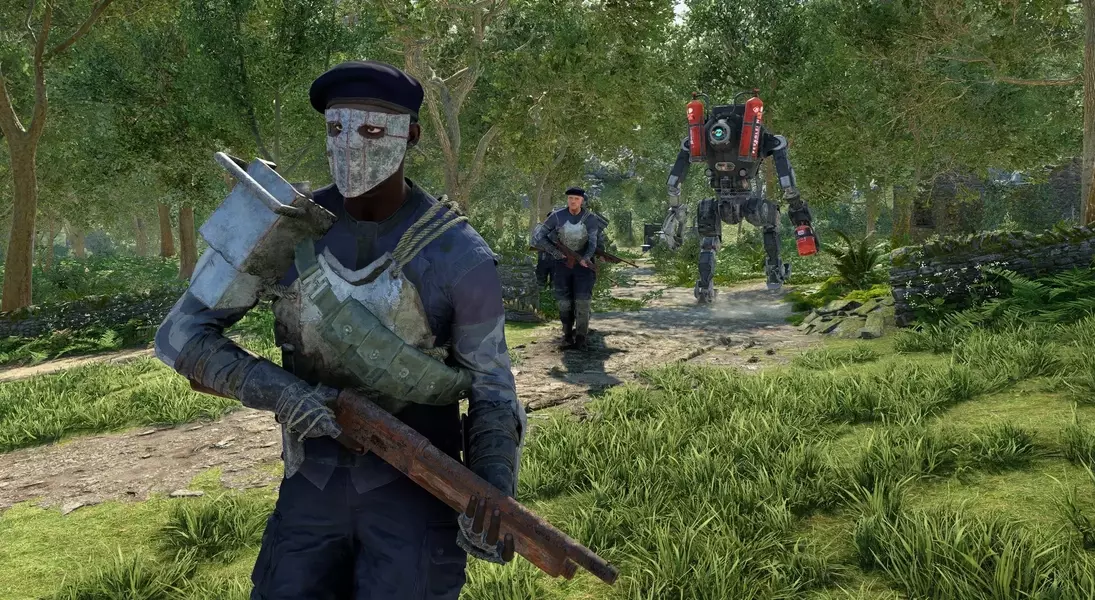
His most recent work, “Earth Must Die,” exemplifies his commitment to combining humor with meaningful themes. Marshall describes the game as a satirical comedy that, beneath its playful exterior, carries a serious message against fascism. This approach underscores his belief that effective comedy is rooted in profound emotional or intellectual resonance. Beyond his own creations, Marshall offers a personal tour of his current gaming habits, revealing his unexpected captivation by “Atomfall.” Initially skeptical, he was drawn in by its unique blend of a charming British village setting and a highly satisfying first-person shooter experience. He praises its intelligent design, which integrates mysteries and clues seamlessly into the gameplay, providing a focused and engaging experience that eschews typical grind-heavy elements. This appreciation for thoughtful game design is a recurring theme in his reflections, highlighting his discerning eye for quality and innovation.
Enduring Favorites and Indispensable Tools
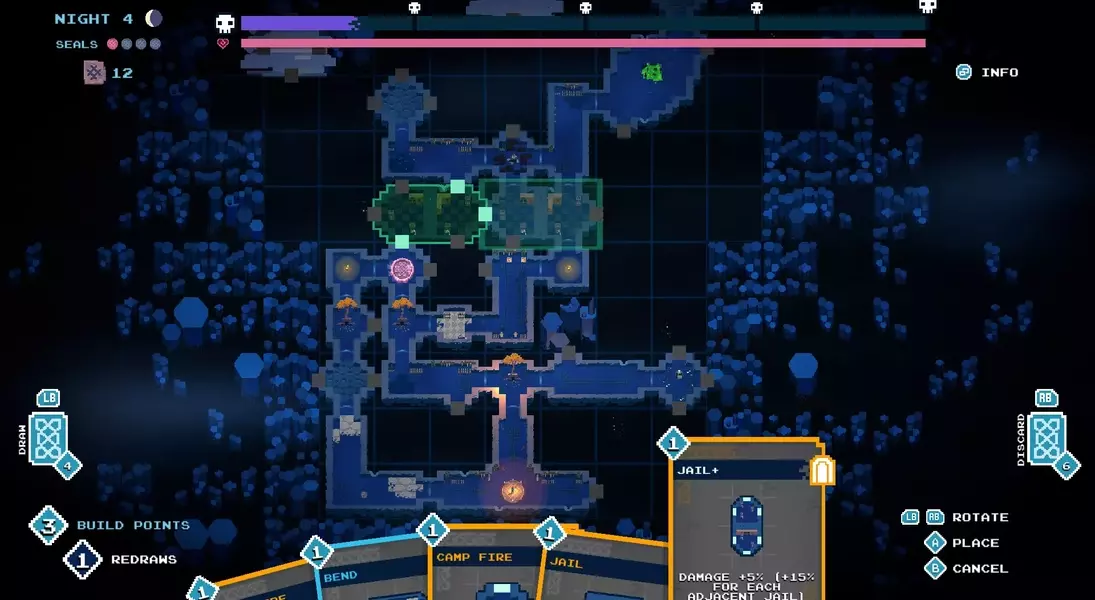
Marshall's gaming repertoire extends beyond current obsessions to include titles that have earned a permanent place on his PC. He revisits “Into the Restless Ruins,” a game he played prior to “Atomfall,” admiring its unique Tetris-like dungeon-building mechanics. He appreciates how the game cleverly places responsibility on the player for their in-game predicaments, a concept he himself explored in “The Swindle.” This design philosophy, where player choices directly impact the unfolding narrative and challenges, resonates deeply with him, fostering a sense of ownership and consequence in the gameplay experience. This emphasis on player agency reflects a core tenet of his own development work, where engaging players on a deeper, more personal level is paramount.
Among his most cherished installations is the original “Fallout,” a classic from the early 90s that, despite initial hesitations due to his childhood aversion to turn-based games, remains on his system. While he admits to only short sessions with it, the game’s presence signifies its iconic status and his respect for its legacy. He also mentions “X-Wing,” a slightly older title from 1993, which he fondly remembers for its non-linear difficulty progression, a refreshing departure from typical game design that made him feel like a true working pilot. However, it is “XCOM 2” that truly stands out, logging an impressive 218.9 hours—a testament to its deeply satisfying and engaging gameplay loop. He describes how the game’s blend of strategic base management and compelling missions can effortlessly consume hours, highlighting its incredible design and replayability. Outside of gaming, Marshall extols the virtues of the Snipping Tool, a simple screenshot utility he uses daily for work and social media, underscoring its unexpected importance in his digital life and his disbelief that others manage without it.
