

Game developer David Szymanski, known for his work on “Dusk” and “Iron Lung,” provides a fascinating look into his personal gaming history and his views on the first-person shooter genre. He discusses the games that shaped his early experiences, his current gaming preferences, and a particular title he holds dear. Szymanski also delves into his upcoming isometric project, “B.U.G.B.I.T.E.,” which he describes as a departure from his previous works, emphasizing his constant evolution as a designer. The interview offers a candid glimpse into the mind of a creative force in the indie game scene.
Developer David Szymanski's Gaming Insights: From “Myst” to the “Golden Age” of FPS
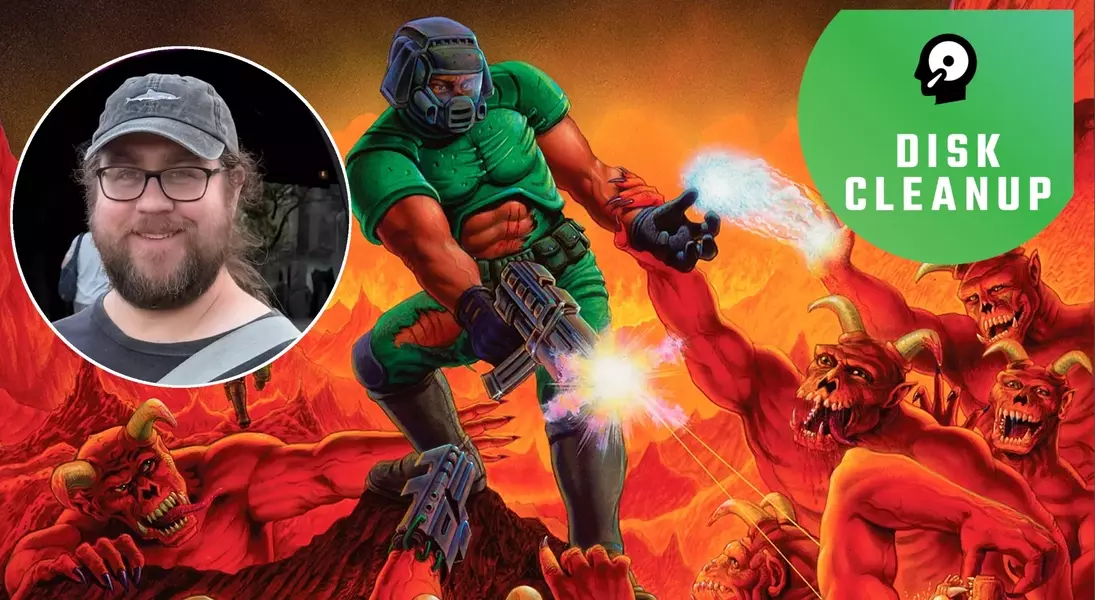
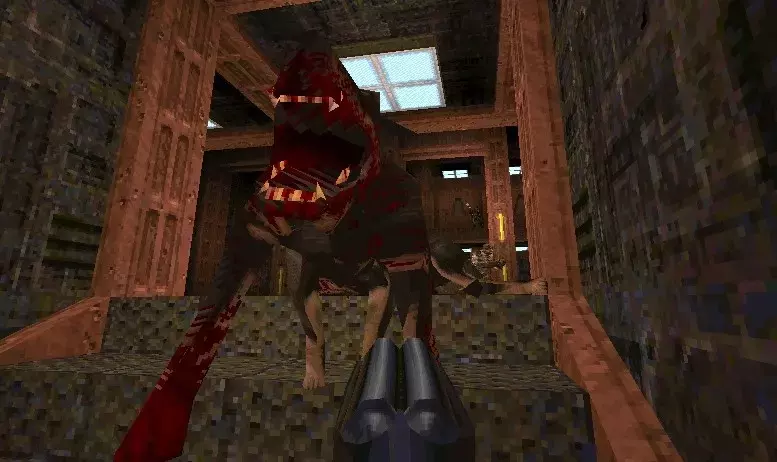
David Szymanski, the acclaimed developer of “Dusk” and “Iron Lung,” recently shared his extensive gaming background and unique perspectives on the industry. From an early age, games like “Lemmings” and “Oil’s Well” captivated him, but it was “Myst” that truly ignited his passion for immersive first-person exploration. After the success of “Dusk,” a tribute to classic ’90s shooters such as “Doom” and “Quake,” Szymanski ventured into various projects, including the horror sensation “Iron Lung,” which was later adapted into a film.
Currently, Szymanski is immersed in “B.U.G.B.I.T.E.,” an unannounced isometric title. He admits that his design philosophy constantly shifts, stating, “The only consistency I have is that I keep changing what I’m doing.”
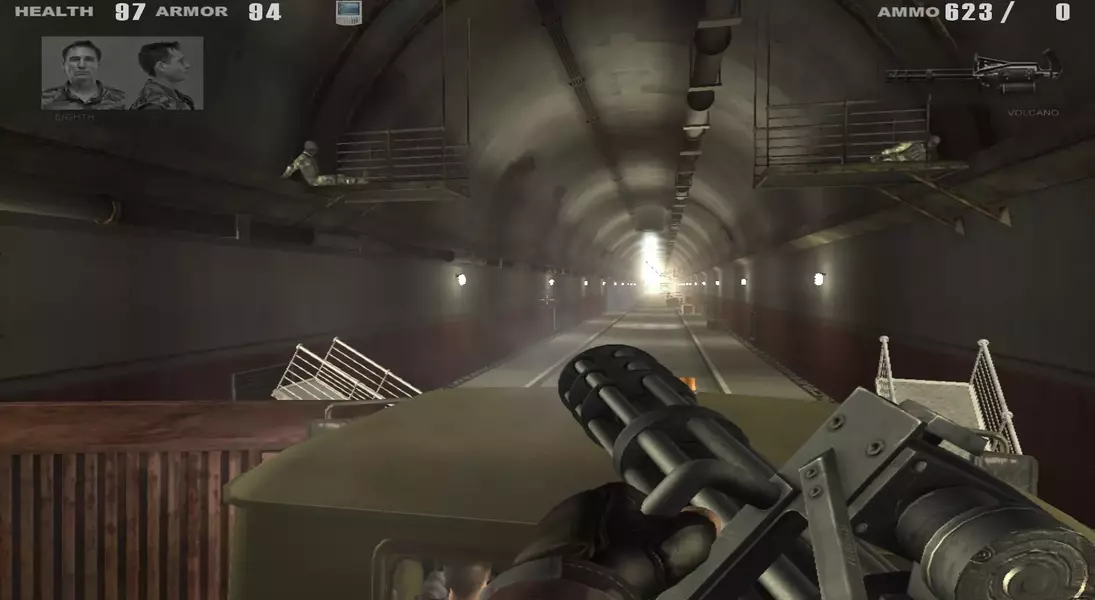
When asked about his current gaming activity, Szymanski revealed he’s playing “Instinct,” a “slavjank” FPS from 2007. Despite its barebones nature and a somewhat incomprehensible story involving zombies in a Russian facility, he appreciates its simple, non-technical approach. Szymanski strongly believes the mid-2000s marked the “golden era” of first-person shooters, praising the genre’s diversity before the standardization influenced by titles like “Call of Duty 4.” He cites games like “Serious Sam,” “Painkiller,” “Halo,” “Half-Life 2,” “Doom 3,” and “Far Cry” as examples of this rich period of experimentation.
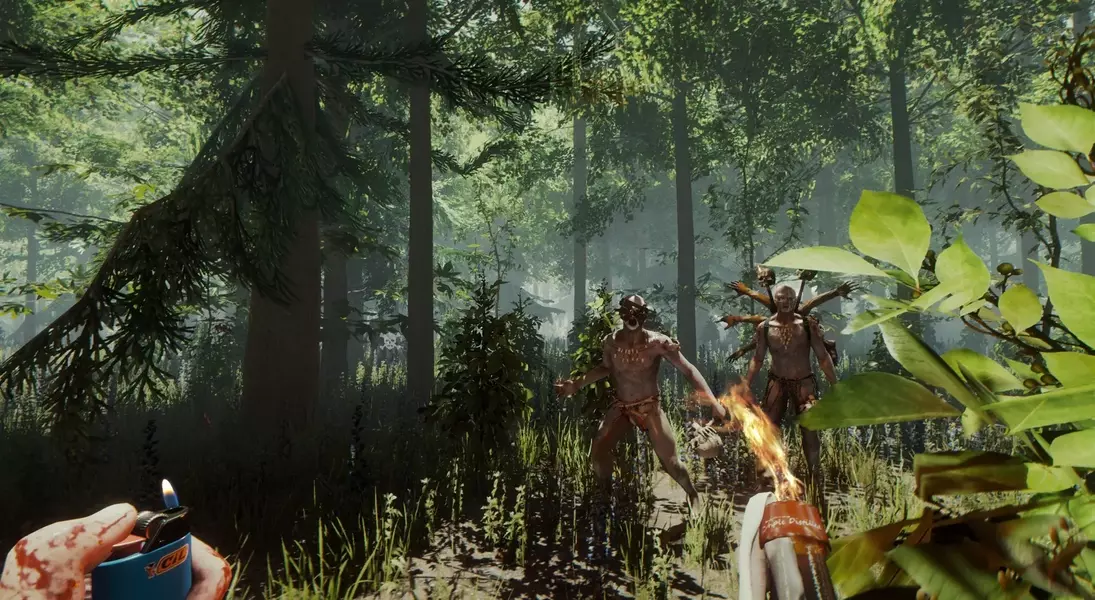
His previous game was “The Forest,” a survival crafting title that, along with “Subnautica,” challenged his perceptions of the genre. While he enjoys these games, his attention span often limits him to around 20 hours of playtime. “Pragmata,” a AAA single-player game, was his last completed title, which he considers his game of the year, commending its innovative mechanics and campaign-driven structure.
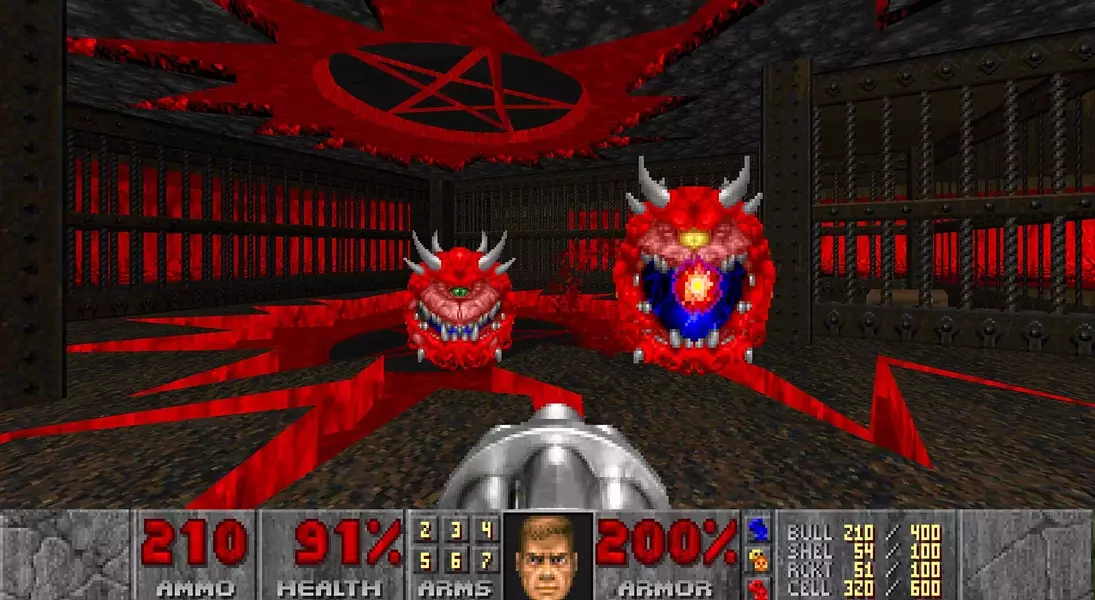
The oldest game on his PC is “Doom,” which he considers “objectively the best FPS ever made” due to its historical significance and timeless appeal. He argues that “Doom”’s “chaotic mixture” of elements—combining humor, horror, and action—makes it incredibly resilient to changing trends.
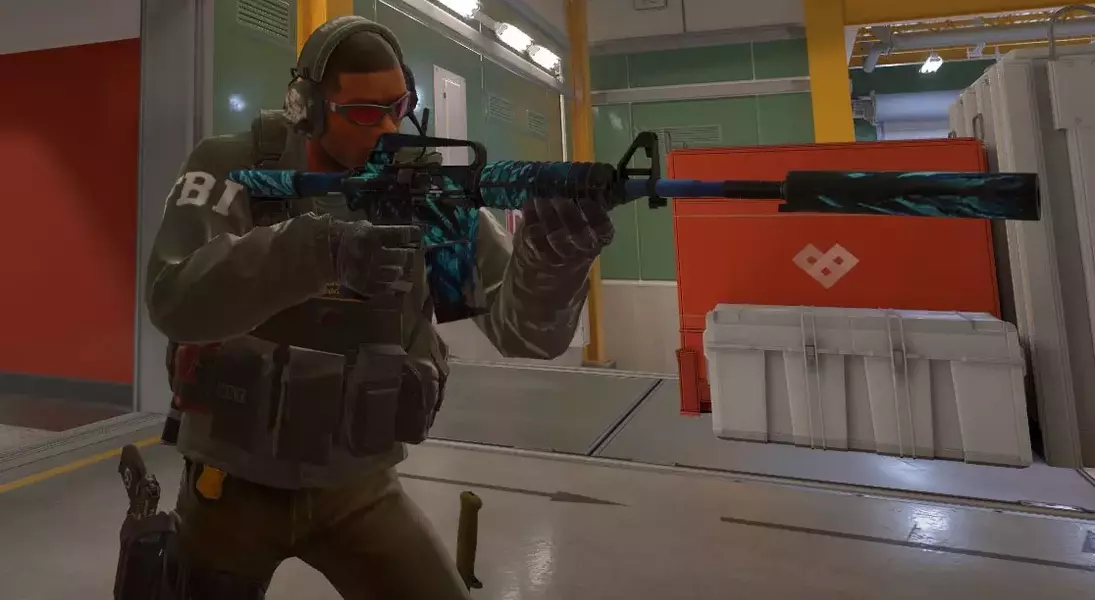
Regarding his most-played game on Steam, “Counter-Strike 2” (formerly “Global Offensive”) takes the lead with 324 hours, followed by “Elden Ring” at 186 hours. Despite the extensive playtime, he prefers “Dark Souls” to “Elden Ring,” viewing the latter as a “greatest hits collection” that resonated deeply with him.
Among the games he’ll never uninstall, “Infra” stands out as his “comfort game.” He continuously replays this 30-hour puzzle-oriented game set in tunnels, captivated by its meticulous detail, which he believes surpasses even many AAA titles. As for non-gaming software, Szymanski relies on “GIMP,” a free image editor he has used since before his development career. Lastly, he admits his desktop, despite recent attempts at tidiness following a Linux installation, inevitably devolves into a “dumpster fire” of documents and icons.
Szymanski’s insights reveal a developer deeply connected to the history and evolution of gaming, particularly the FPS genre. His appreciation for diverse gameplay experiences, from classic “Doom” to modern “soulslikes,” underscores the importance of innovation and originality in game design. His personal “comfort game,” “Infra,” highlights that even niche titles can offer profound and enduring engagement through intricate design and a unique sense of place. This interview serves as a reminder that the most compelling gaming experiences often lie beyond mainstream trends, shaped by a developer's genuine passion and a willingness to explore different creative avenues.
