Prolonged periods of sitting can be detrimental to one's health, contributing to muscle stiffness and an elevated risk of developing chronic diseases. However, incorporating simple and effective stretches into your daily routine can counteract these negative effects, enhancing physical mobility, improving posture, and easing bodily discomfort. Even a few minutes of targeted movement can lead to substantial improvements in overall well-being, both during and after work hours.
Reclaim Your Comfort: A Guide to Daily Stretches for Desk Workers
For individuals who spend a significant portion of their day seated, the adverse effects can manifest as tightened muscles, discomfort, and an increased susceptibility to conditions such as type 2 diabetes and heart disease. Addressing these issues doesn't necessarily require a career change; rather, it involves proactive measures to introduce movement and stretching into your daily life. Hanna Kearney, D.P.T., emphasizes that stretching is crucial for restoring normal muscle function, enhancing blood flow, and ensuring joints and muscles operate as intended. Below are six highly recommended stretches from physical therapists to help mitigate the impact of prolonged sitting.
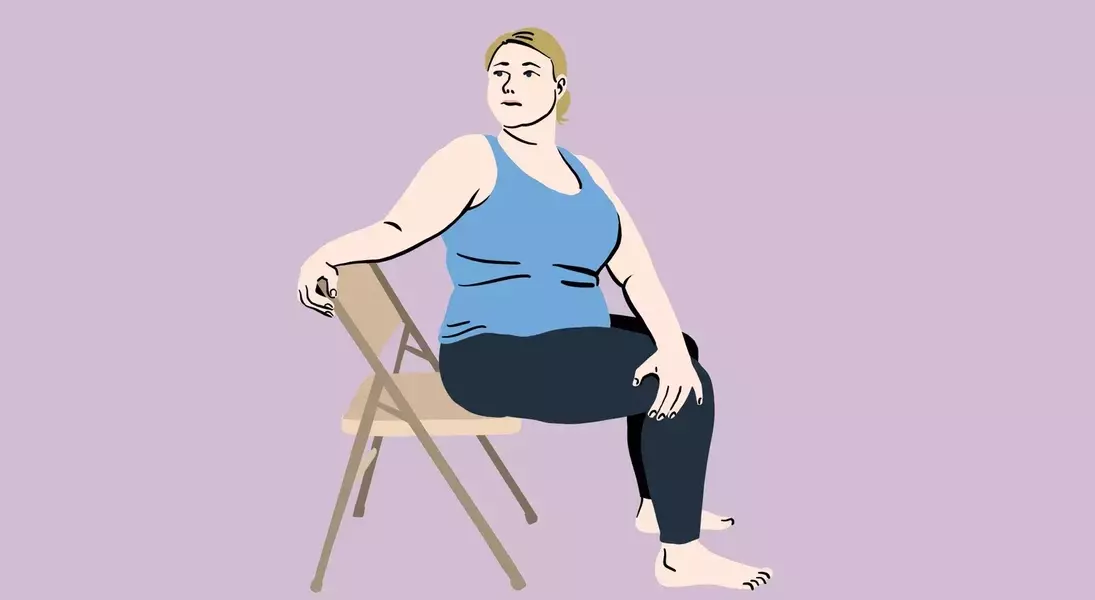
1. Seated Spinal Twist
This stretch targets the thoracic spine, the middle section of the back, and can be performed without leaving your chair. It effectively reduces mid-back stiffness often associated with slouching and alleviates tension in the shoulders and neck.
- Position yourself upright in your chair with feet flat.
- Place your right hand on the chair's back and your left hand on your right knee.
- Gently twist your torso to the right, keeping hips forward.
- Hold for 15-30 seconds, breathing evenly.
- Return to start and repeat on the opposite side.
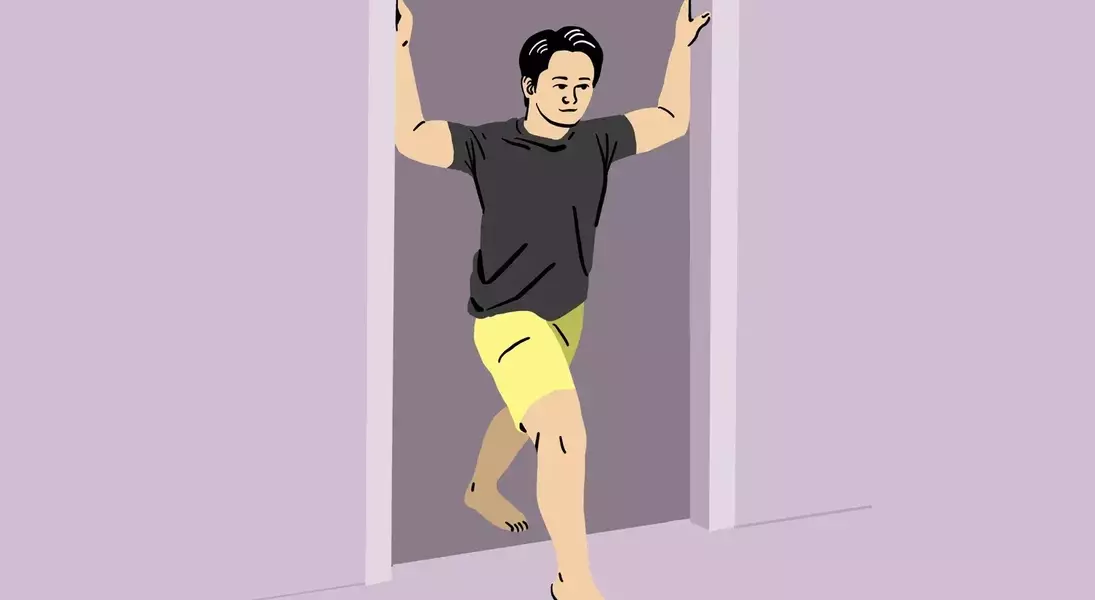
2. Doorway Stretch
Ideal for those with rounded shoulders from extended computer use, this stretch opens the chest and helps restore neutral shoulder alignment. Zach Smith, D.P.T., notes its benefits for shoulders, pectorals, calves, and hip flexors.
- Stand in a doorway with elbows at 90 degrees, forearms resting on the frame.
- Step forward with one foot and gently lean into the stretch until a mild pull is felt across your chest and shoulders.
- Hold for 20-30 seconds, focusing on deep breathing and relaxation.
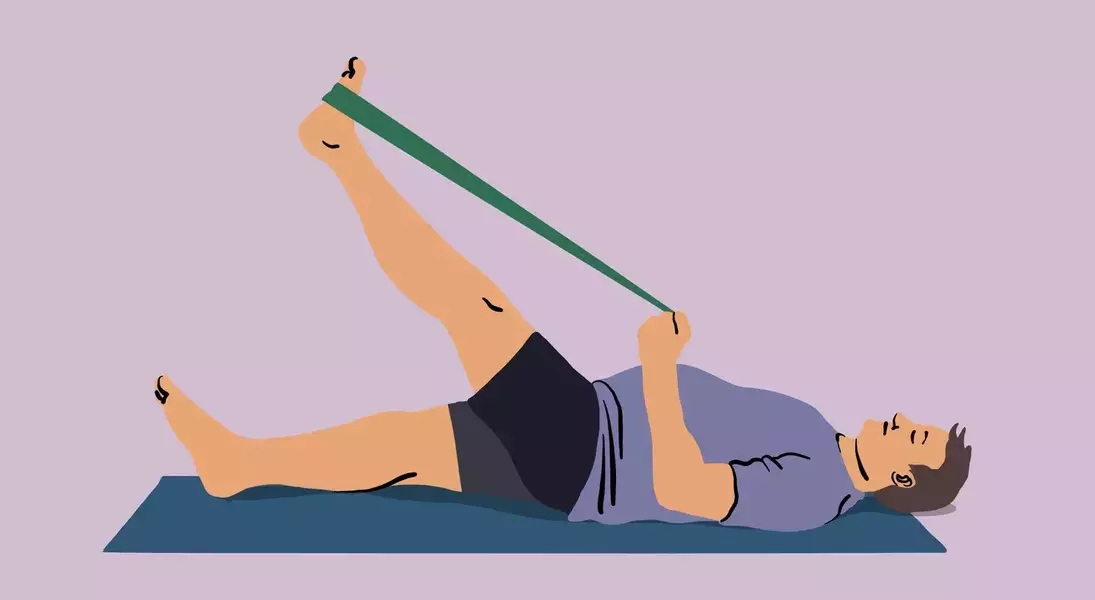
3. Supine Hamstring Stretch
The hamstrings often shorten due to prolonged sitting. Mark Gugliotti, D.P.T., explains that regular stretching helps restore flexibility to these and other stiff muscles.
- Lie on your back, loop a towel or strap around your left foot's arch.
- Keeping the knee straight, lift your left leg until you feel a comfortable stretch behind your thigh.
- Hold for 10 seconds, then slowly lower.
- Repeat up to four times on each leg.
4. Crescent Lunge
This comprehensive stretch targets hip flexors, both upper and lower back, abdominals, shoulders, ankles, and calf muscles. Smith highlights its effectiveness for nearly all areas affected by sitting.
- Start standing with feet hip-width apart, arms relaxed.
- Step your left foot back 2-3 feet, keeping the front foot flat and the back heel lifted.
- Bend your right knee to a 90-degree angle, aligning it over your ankle.
- Press into the ball of your back foot, straightening the back leg without locking the knee, and gently lift your back inner thigh towards the ceiling.
- Inhale, lifting your torso and arms overhead, palms inward, reaching skyward while keeping shoulders relaxed.
- Hold for 10-30 seconds, then switch sides.
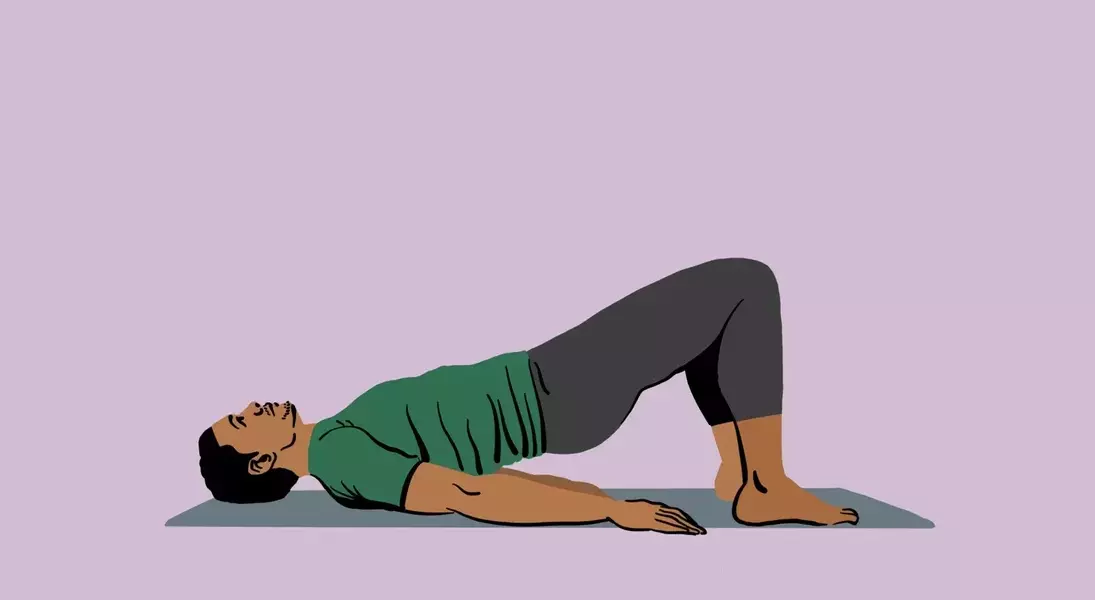
5. Glute Bridge
Excellent for activating glutes after long periods of sitting, this exercise also stabilizes the pelvis and lower back. Kearney advises focusing on glute activation rather than arching the lower back.
- Lie on your back, knees bent, feet flat and hip-width apart.
- Arms at your sides, palms down.
- Engage your core, squeeze glutes, and lift hips until your body forms a straight line from shoulders to knees.
- Hold for 2-3 seconds at the peak, then slowly lower.
- Perform 10-15 repetitions for 2-3 sets.
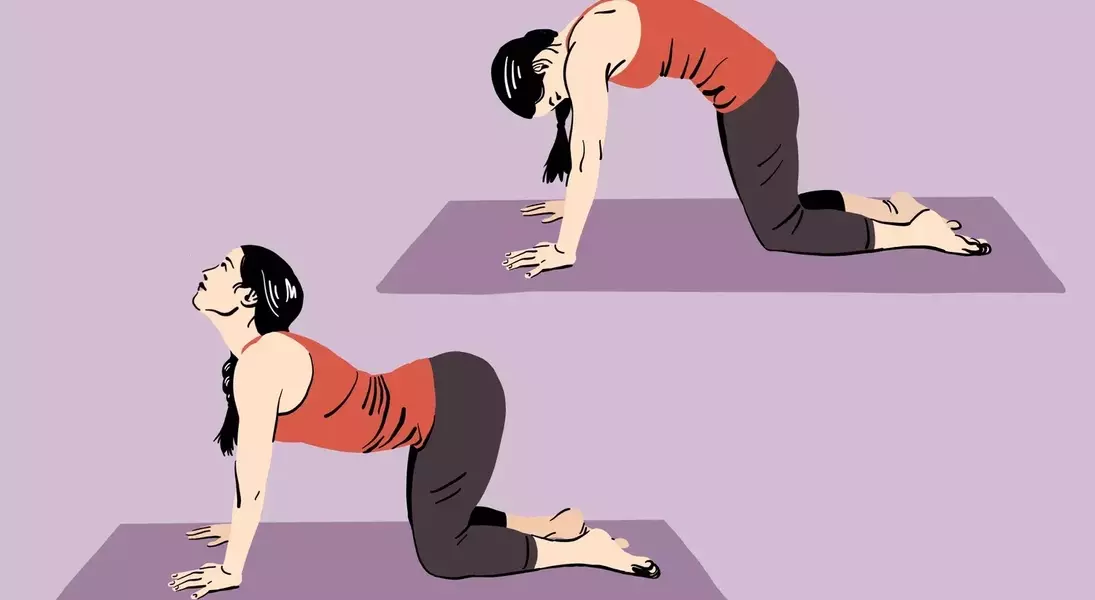
6. Cat-Cow
This dynamic stretch promotes spinal mobility and counteracts stiffness from hunching. Kearney emphasizes gentle, controlled movements synchronized with breath.
- Start on hands and knees, wrists under shoulders, knees under hips.
- Inhale, arching your back, lifting chest and tailbone (cow pose).
- Exhale, rounding your spine, tucking chin to chest (cat pose).
- Continue slowly for 8-10 cycles, coordinating movement with breath.
Additional Tips for a Healthier Workday
Beyond stretching, several strategies can help reduce prolonged sitting:
- Set a Timer: Use reminders every 30-45 minutes to stand, stretch, or walk briefly.
- Utilize a Walking Pad: Integrate light walking into your workday without leaving your desk.
- Consider a Standing Desk: Change posture by standing, even without active movement.
- Hold Walking Meetings: Transform sedentary meetings into active ones.
- Rearrange Your Office: Place frequently used items further away to necessitate standing up.
Always consult a healthcare professional before starting new exercise routines, especially if you have pre-existing conditions or experience persistent pain, numbness, or tingling. Ease into exercises, warm up with light activity, and never stretch to the point of pain.
As a health and wellness advocate, I believe that integrating these simple yet profound changes can revolutionize how we approach our workdays. In our increasingly sedentary world, the importance of conscious movement cannot be overstated. By adopting these strategies, we not only alleviate immediate discomfort but also invest in our long-term health and vitality. It's a powerful reminder that even small, consistent actions can lead to significant improvements in our physical and mental well-being, transforming the office from a potential health hazard into an environment of sustained health.
