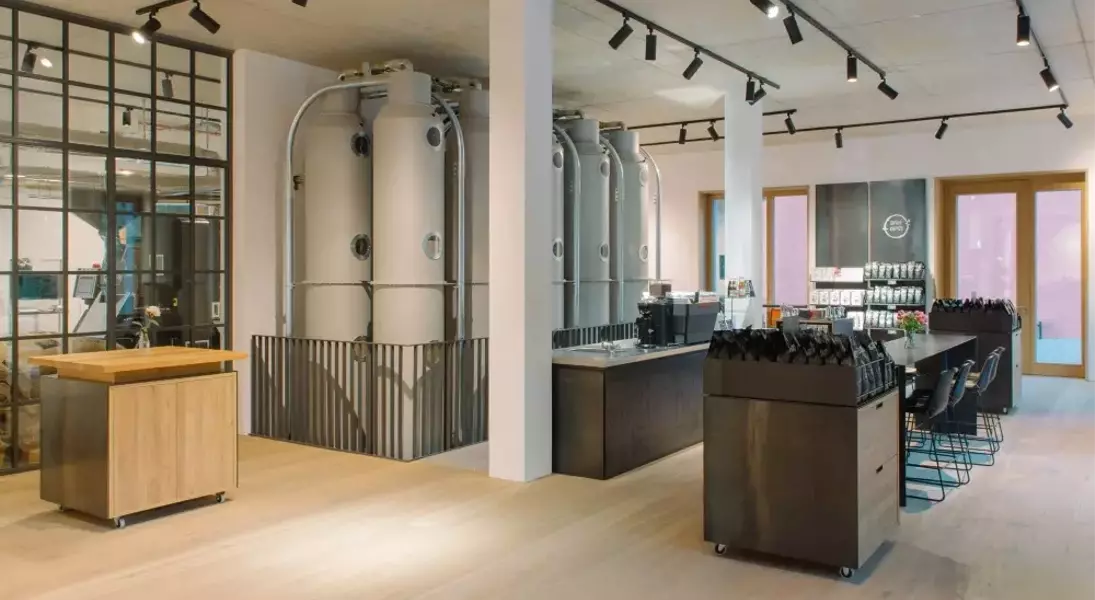
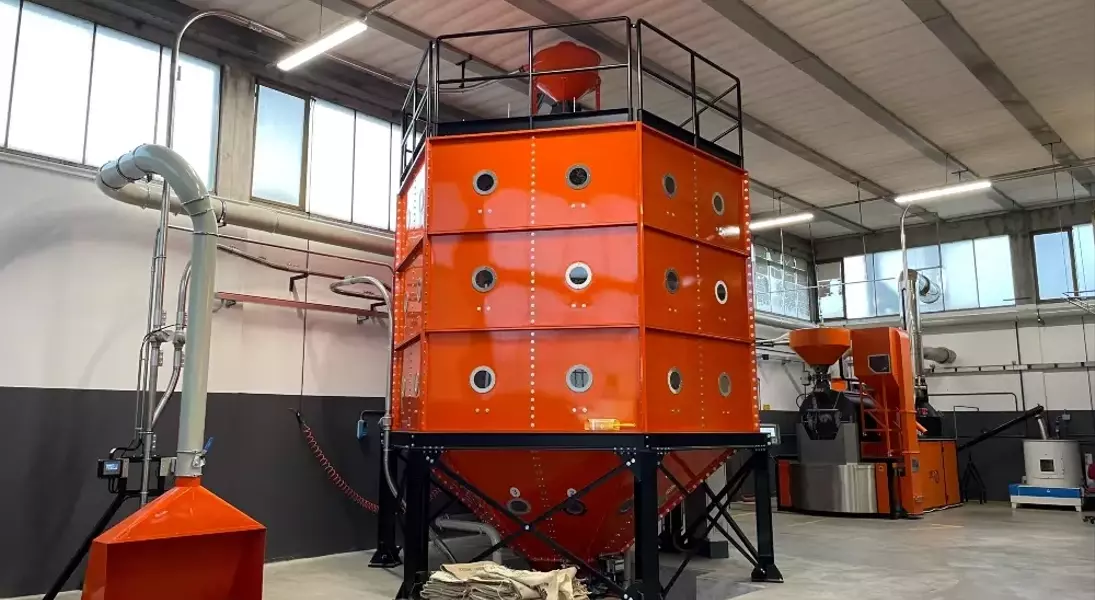
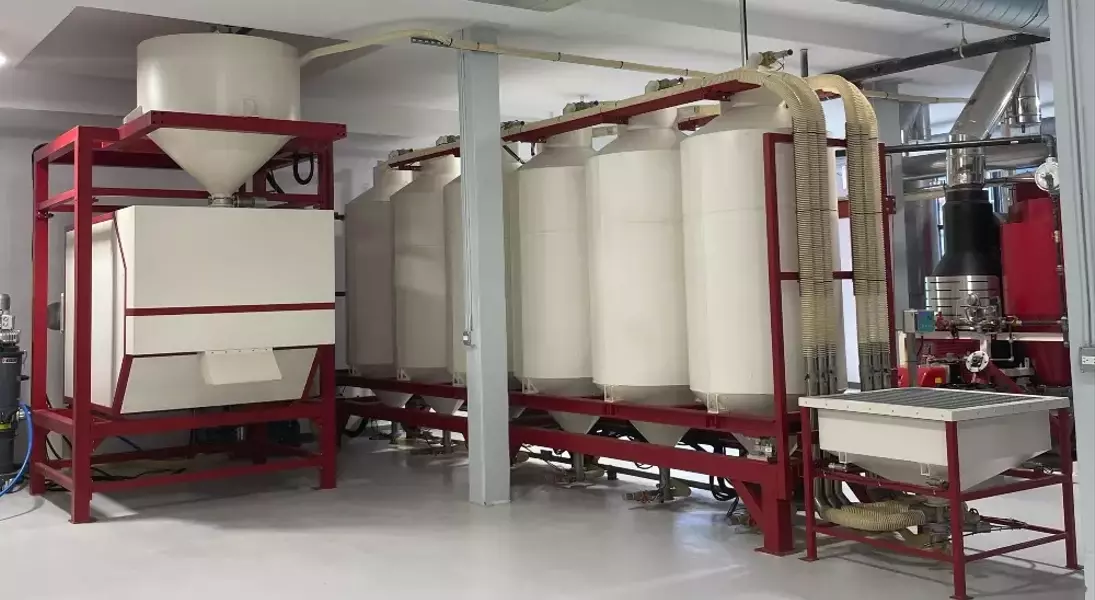
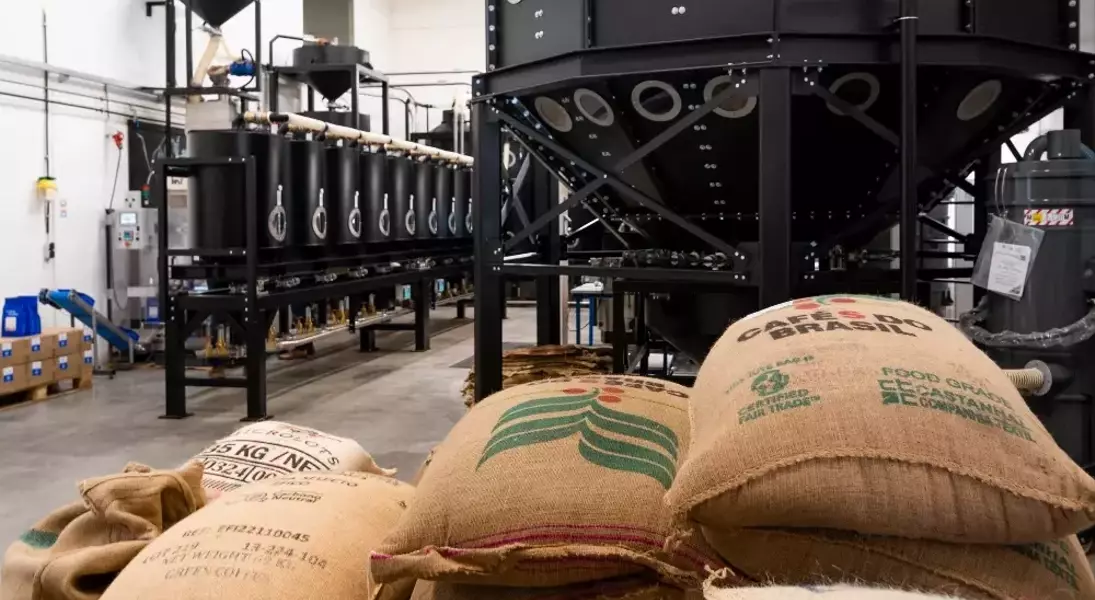
Creating a coffee roasting facility is a multifaceted process that demands careful attention to numerous details. While selecting the appropriate machinery and sourcing quality green coffee are crucial, designing a well-planned layout plays an equally vital role in ensuring operational success. Poorly designed spaces can lead to inefficiencies, safety hazards, and costly redesigns when scaling up. By focusing on thoughtful design principles, roasters can establish a safer, more efficient workspace capable of supporting long-term growth.
In the world of coffee roasting, workflow efficiency and safety hinge significantly on how the facility is laid out. According to Gian Pietro Balboni, a technical process engineer at IMF Roasters, understanding spatial requirements and equipment placement is essential. "We start by analyzing the available area and determining the optimal size and positioning of each piece of equipment," he explains. This includes accounting for operator movement during production and maintenance, which enhances both efficiency and adherence to safety protocols. The design must also consider the seamless flow of coffee through various stages—from receiving raw beans to packaging and shipping finished products.
Efficient workflow planning involves minimizing unnecessary movements and transitions between processes. For instance, transitioning from roasting to cooling should occur without backtracking or creating bottlenecks. Such optimization not only saves time and energy but ensures peak performance of every machine while safeguarding operators. Additionally, customizing the design based on the scale of operations is key. Smaller setups often benefit from simpler, flexible layouts, whereas larger industrial facilities require dedicated zones for each production phase.
Collaboration with experts like IMF Roasters helps tailor designs to specific needs. Their modular approach allows for scalability, accommodating future growth without requiring complete overhauls. Essential equipment such as roasting machines, storage systems, and packaging lines must be integrated thoughtfully into the overall design. Furthermore, advanced technologies like inventory management software and automated roast profile tools can enhance productivity and reduce manual errors, making them valuable additions in today's challenging economic climate.
Ultimately, working with experienced plant designers ensures meticulous planning across all aspects of the facility. Tools like installation layouts and plant flow diagrams provide clear visualizations of equipment interconnections, facilitating smooth production flows. These resources help create adaptable facilities ready to meet current demands while remaining flexible for future changes. By adopting a holistic perspective, roasters can build environments that foster efficiency, safety, and sustained growth.
Achieving long-term success in coffee roasting requires more than just acquiring top-tier equipment. It necessitates a comprehensive understanding of spatial dynamics and workflow logistics. With proper planning and collaboration, roasters can craft facilities that thrive now and evolve alongside their businesses, ensuring profitability and operational excellence for years to come.
