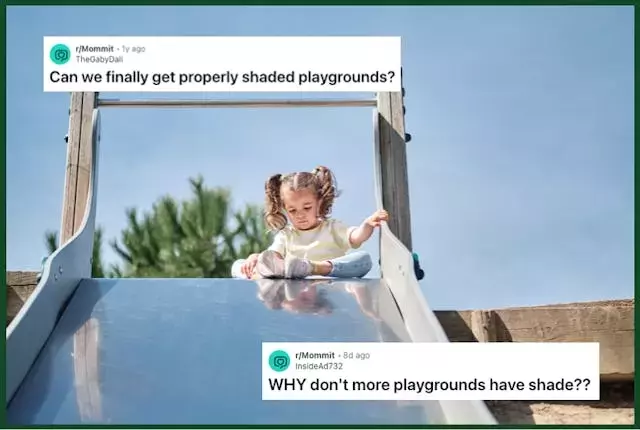
Many parents frequently encounter playgrounds that, despite their significant cost, seem to disregard fundamental aspects of child safety, comfort, and parental convenience. These spaces often feature scalding hot slides, inadequate shade, poor visibility, and a surprising absence of secure fencing. This recurring issue prompts a critical question: why are these crucial elements consistently overlooked in modern playground design?
An Examination of Playground Design Shortcomings and Parental Appeals
Parents nationwide are expressing increasing frustration with contemporary playground designs, which often appear to neglect basic safety and comfort considerations for children and caregivers alike. A prominent concern is the widespread lack of adequate shading. One parent highlighted this point on social media, noting how many playgrounds become unusable during summer due to metal equipment reaching dangerously high temperatures under direct sunlight. This issue is particularly acute in regions with intense heat, where shaded areas are not merely a luxury but a necessity for year-round usability. Despite multimillion-dollar investments in new play areas, features like sunshades, natural tree cover, or even simple overhead structures are frequently omitted, rendering these facilities impractical for significant portions of the year.
Beyond the absence of shade, visibility within playgrounds poses another significant challenge. Some newer designs incorporate large artificial hills or complex structures that inadvertently obstruct parents' views of their children, creating constant anxiety. This layout forces parents into a state of perpetual vigilance, constantly repositioning themselves to keep track of their kids across the play area. Furthermore, critical safety lapses, such as unguarded openings in multi-level structures, have led to genuine concern, with reports of children falling from significant heights. The prevalence of metal slides, while seemingly modern, exacerbates these problems; they not only become dangerously hot but their slick surfaces can also increase the risk of falls.
Another common complaint revolves around insufficient fencing or barriers, especially problematic for parents with young children prone to wandering. Many playgrounds are situated perilously close to parking lots or busy roads with only minimal or ineffective containment measures, compelling parents to remain hyper-vigilant rather than allowing their children the freedom to play safely. However, amidst these widespread grievances, there's a growing movement towards parental advocacy. Encouragingly, some parents have found success by engaging in public comment periods during the planning and renovation phases of local playgrounds. By actively communicating their needs and concerns to municipal park departments and planning divisions, they have influenced design decisions, leading to the incorporation of vital safety and comfort features. This engagement underscores the potential for community involvement to shape more child-friendly and family-conscious public spaces.
The ongoing issues with playground design serve as a powerful reminder that public spaces, especially those intended for children, must prioritize user experience and safety above all else. It's clear that the current approach often falls short, leading to environments that are more stressful than enriching for families. The collective voice of parents, channeled through public forums and direct communication with local authorities, is essential in driving change. By advocating for improved shading, better visibility, robust safety features, and secure perimeters, communities can transform these critical recreational areas into truly welcoming and safe havens for children. This active participation not only ensures better design outcomes but also fosters a stronger sense of community ownership and responsibility for our shared spaces.
