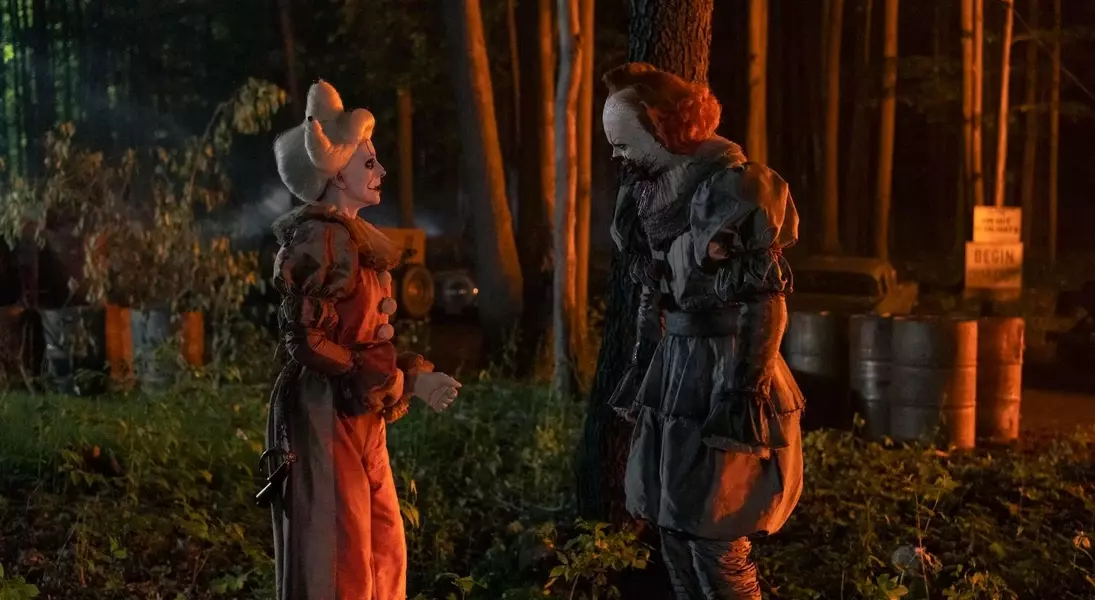

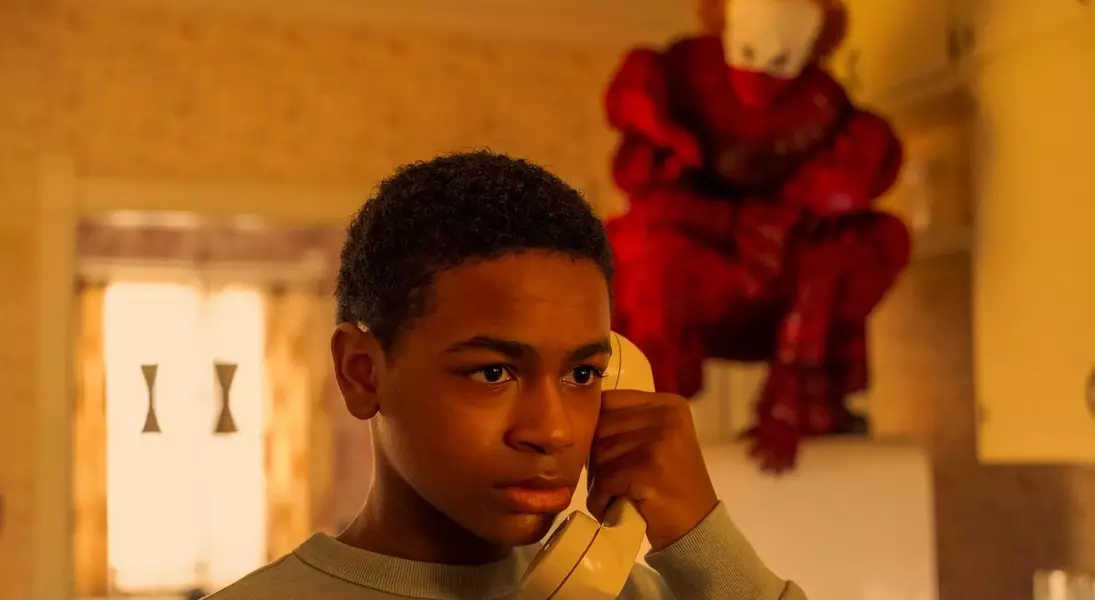
The first season of HBO's "It: Welcome to Derry" has significantly reshaped the established mythology of the "It" films, concluding with a series of startling revelations that prompt numerous inquiries as the narrative prepares to rewind another 27 years for its anticipated second season. Central to these changes is the antagonist Pennywise, portrayed by Bill Skarsgård, whose nature and operational methods are now viewed through an entirely new lens, alongside a deeper exploration of the town of Derry itself.
A critical revelation in the season finale concerns Pennywise's perception of time, which he experiences as a simultaneous flow of past, present, and future, fundamentally altering how his actions and motivations are understood. This temporal omniscience explains his specific targeting of characters like Will Hanlon, father of Mike, a future member of the Losers' Club destined to defeat Pennywise, as the entity seeks to preempt threats to its existence. Concurrently, the character of Marge emerges as a central figure, unknowingly integral to the unfolding saga as she is destined to become the mother of Richie, another key member of the Losers' Club. The narrative also elucidates the poignant origin of Richie Tozier's name, a tribute to Rich, a character whose sacrifice deeply impacts Marge, intertwining personal tragedy with the broader conflict against Pennywise. Furthermore, the Hanlon family's decision to remain in Derry, influenced by the town's indigenous community, is revealed to be crucial for Mike's upbringing and his future role in understanding and combating the ancient evil, connecting his deep knowledge of Derry's history to his heritage rather than mere research.
The season concludes with a chilling post-credits scene that introduces a young Beverly, portrayed by Sophia Lillis, encountering an older Ingrid (later known as Mrs. Kersh) at the Juniper Hill Asylum. This encounter, occurring after a profound personal tragedy for Beverly, hints at the cyclical nature of trauma and Pennywise's manipulative influence, suggesting a deliberate grooming of future victims. This setup not only reinforces the pervasive evil of Pennywise but also deepens the emotional and psychological complexities inherent in the series, promising a compelling and terrifying exploration of destiny and the enduring fight against a timeless horror in subsequent seasons.
The inaugural season of "It: Welcome to Derry" has exceeded all expectations, transforming what initially seemed like a precarious idea for an "It" prequel into a compelling narrative that stands firmly on its own. The series masterfully delves into the origins and mechanisms of Pennywise's terror, weaving a rich tapestry of character development and lore expansion. With the groundwork laid and a fresh perspective on the iconic villain, the future installments are poised to further deepen our understanding of this horrifying universe, promising continued suspense and fascinating insights into the battles to come.
