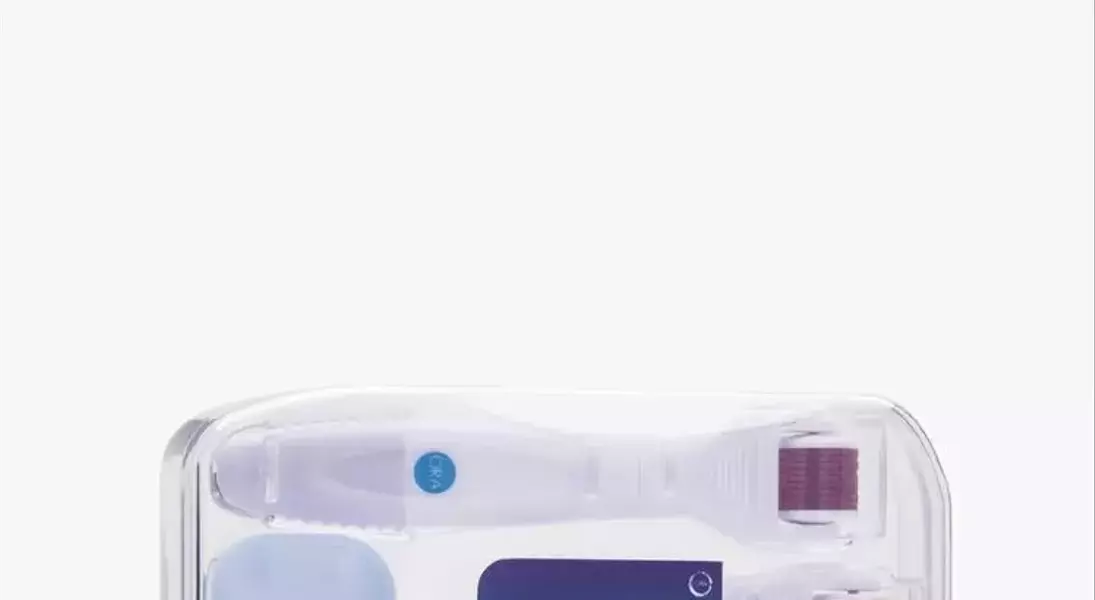
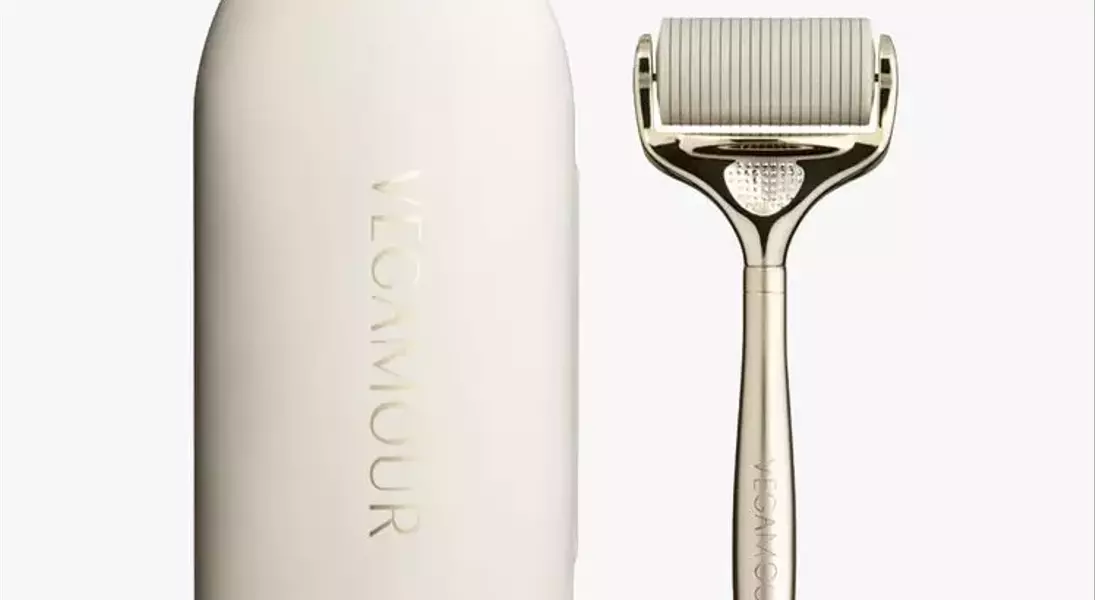
Dermarolling, also known as microneedling of the scalp, presents a promising solution for individuals experiencing hair thinning or loss. This technique involves using a handheld device equipped with fine needles to create microscopic punctures on the scalp. Experts, including Dr. Hope Mitchell and Dr. Marisa Garshick, board-certified dermatologists, explain that these micro-injuries stimulate blood circulation and boost collagen production, which in turn fosters a healthier environment for hair follicles to thrive. Beyond activating dormant follicles and promoting natural growth, dermarolling significantly enhances the efficacy of topical hair loss treatments. By improving the absorption of serums and medications like minoxidil, this method ensures that active ingredients penetrate deeper into the scalp, maximizing their potential to stimulate hair regeneration. However, it's crucial to note that dermarolling is most effective when used consistently and in conjunction with established hair loss treatments, offering a supplementary approach rather than a standalone cure, especially for specific types of hair loss.
For those considering integrating dermarolling into their hair care regimen, understanding the proper techniques and potential risks is paramount. Dermatologists advise using dermarollers with needle lengths between 0.25mm and 0.5mm for at-home use, as these lengths are considered safe and effective without causing undue irritation or injury. Longer needles, typically used in professional settings, carry higher risks if not handled by trained specialists. Consistency is key to observing results, with most experts suggesting a minimum of three to six months of regular, once-weekly applications. It's vital to start with a clean scalp and a sanitized device, gently rolling the dermaroller across thinning areas in multiple directions. While dermarolling can be a beneficial addition to combating hair loss, individuals with active scalp conditions, inflammatory hair loss disorders, or a predisposition to scarring should consult a dermatologist before beginning treatment to avoid adverse effects and ensure the chosen method aligns with their specific condition.
The Science Behind Scalp Microneedling
Scalp microneedling, commonly known as dermarolling, involves the use of a device with tiny needles to create microscopic punctures on the scalp. This process stimulates the body's natural healing response, leading to increased blood flow to the treated areas and enhanced collagen production. The micro-injuries serve as a catalyst for cellular regeneration, revitalizing dormant hair follicles and encouraging the growth of new, healthier hair strands. Dermatologists affirm that this method is effective in creating a more conducive environment for hair growth, making it a valuable tool in addressing hair thinning. By improving the overall health of the scalp, dermarolling supports the foundational elements necessary for robust hair development.
Furthermore, the micro-channels created by dermarolling significantly improve the absorption of topical hair loss treatments. Ingredients such as minoxidil or specialized peptide serums can penetrate deeper into the scalp, reaching the hair follicles more effectively than if applied to an untreated surface. This enhanced penetration amplifies the therapeutic effects of these treatments, leading to more pronounced and quicker results. However, experts emphasize that dermarolling is not a magical fix; its success hinges on consistent application and often requires integration with other proven hair loss therapies. It is particularly beneficial for androgenetic alopecia but may not yield significant results for scarring forms of hair loss, highlighting the importance of a proper diagnosis before starting treatment.
Selecting and Using Your Dermaroller Safely
Choosing the right dermaroller is crucial for safe and effective hair growth treatment. Dermatologists recommend devices with needle lengths ranging from 0.25mm to 0.5mm for home use. These lengths are optimal for stimulating the scalp without causing excessive irritation or potential injury. Longer needles, such as 1mm, are typically reserved for professional clinical settings where skin monitoring and sterilization can be meticulously managed. The material of the needles, usually medical-grade stainless steel or titanium steel, also plays a role in durability and efficacy. It's important to select a device that is well-constructed and easy to sterilize to prevent infections and maintain scalp health.
Proper technique and consistency are paramount when incorporating dermarolling into your routine. Before each use, the dermaroller must be thoroughly sanitized, and the scalp should be clean. Part the hair to expose the thinning areas and gently roll the device across these sections in multiple directions—horizontally, vertically, and diagonally—applying light pressure. This ensures even stimulation across the target area. Experts advise against daily use, suggesting once-weekly application to allow the scalp adequate time to recover and respond to the treatment. Patience is a virtue in this process, as visible improvements typically require three to six months of consistent effort, aligning with the natural hair growth cycle. It is also important to avoid using a dermaroller on open wounds or inflamed areas of the scalp and to consult a dermatologist if significant hair loss is experienced, to rule out underlying conditions.
