"Damon and Baby" presents a fresh take on the twin-stick shooter genre, blending intense action with a heartwarming, if unconventional, narrative. The game successfully intertwines demon-slaying thrills with the developing bond between an unlikely duo: a powerful demon and a defenseless toddler. While the core gameplay of running and gunning through demonic hordes is consistently enjoyable, certain design choices, such as clunky inventory management and an occasionally obstructive camera, detract from the otherwise engaging experience. The journey focuses on the demon Damon's transformation as he reluctantly embraces a paternal role, evolving from a reluctant guardian to a protective figure.
Despite its minor flaws, the game offers a rewarding experience for players willing to delve into its depths. The exploration elements, coupled with a progression system that rewards backtracking and uncovering hidden paths, add significant replayability. As Damon and the baby's relationship deepens, players are encouraged to explore every corner of the game's world, discovering new abilities and unraveling the mystery surrounding the child's importance. This blend of evolving narrative and expansive exploration ensures that "Damon and Baby" leaves a lasting impression, even with its occasional interface and navigational hiccups.
A Demon's Unlikely Parental Journey and Engaging Combat
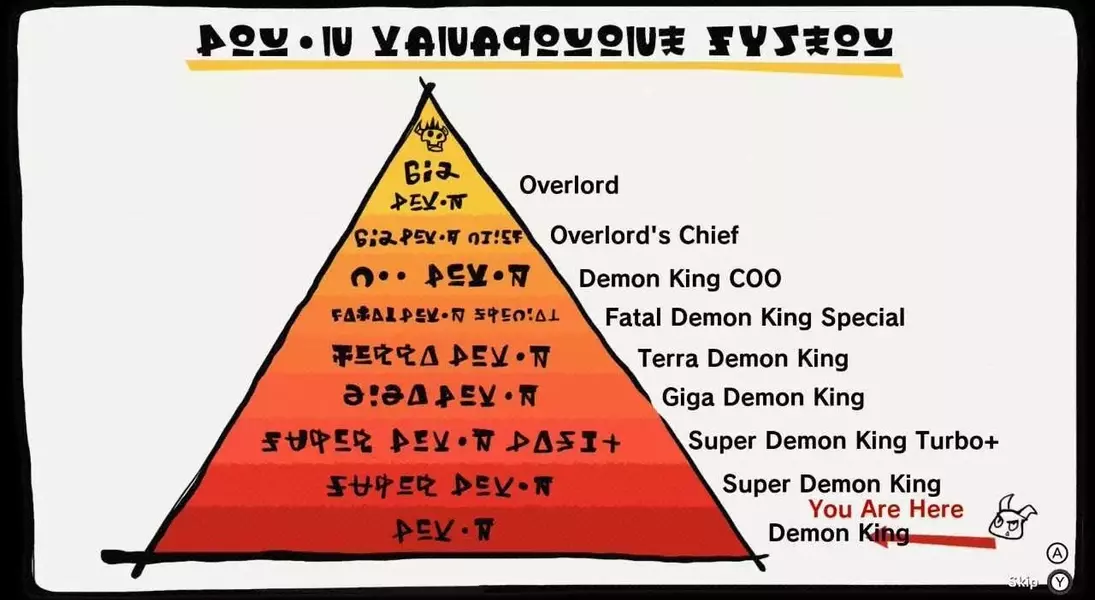
"Damon and Baby," developed by Arc Systems Works, reimagines the traditional demon narrative, presenting a protagonist who is less of a terrifying entity and more of a gruff, reluctant guardian. The game's central premise revolves around Damon, a demon king whose aspirations for higher demonic hierarchy are sidetracked by his unexpected role as a babysitter for a human toddler. This unique dynamic forms the emotional core of the game, as players witness Damon's gradual transformation from an indifferent protector to a caring, father-like figure. The game skillfully uses humor and narrative beats, such as the toddler affectionately calling Damon 'dad,' to underscore this poignant development. The story sees the pair traversing diverse environments, from arid towns to sprawling mansions, all while fending off other demons intent on capturing the child, whose mysterious significance drives the plot forward.
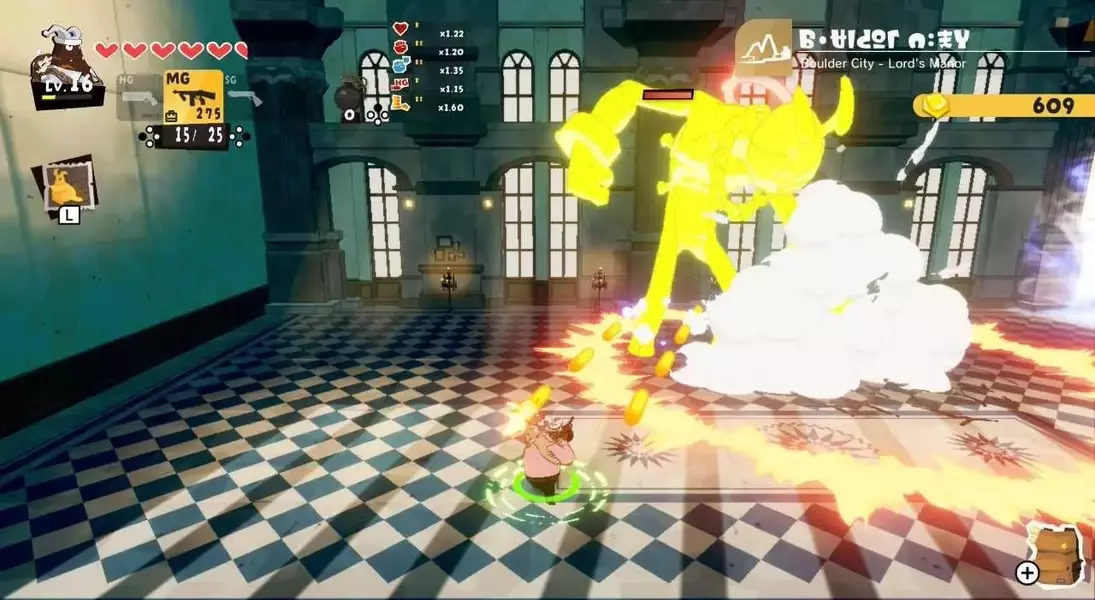
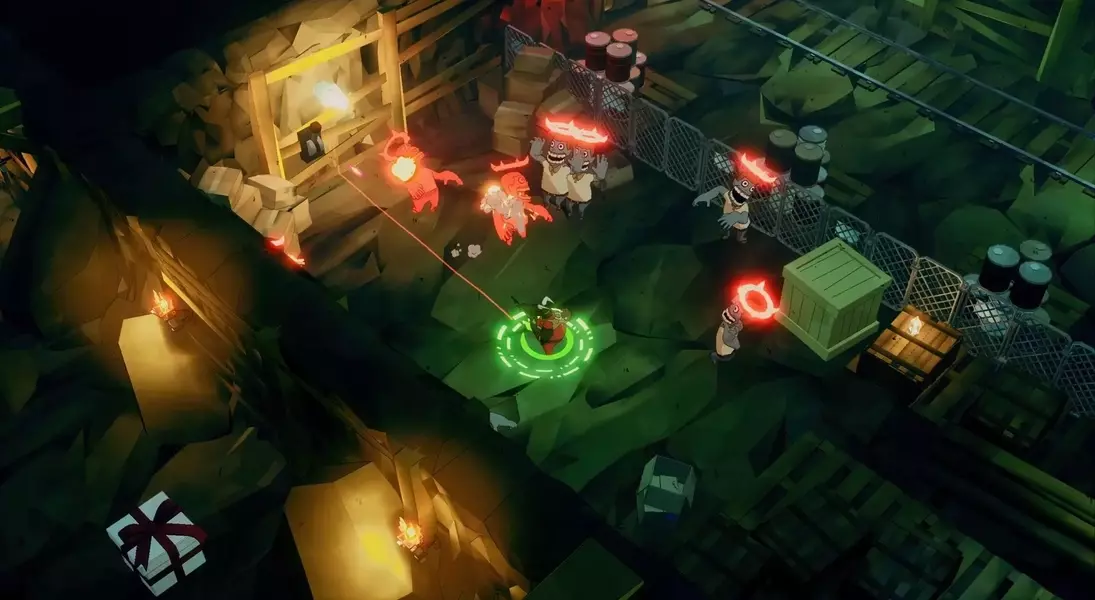
Beyond its compelling narrative, "Damon and Baby" excels in its combat mechanics. As a twin-stick shooter, it delivers continuous, high-octane action, with Damon equipped with an array of weaponry. From his reliable, infinitely-ammo handgun to more powerful and diverse options like machine guns, shotguns, and RPGs, players are constantly engaged in clearing out hordes of demonic adversaries. The weapon customization system, which allows for various modifications and drops new weapon versions, adds a strategic layer to combat, encouraging players to experiment with different loadouts to suit their playstyle. While the thrill of dispatching mobs of demons remains a constant highlight, the boss battles, though visually impressive with unique enemy designs, often fall short in terms of challenge, requiring less strategic movement and more sustained firepower. The need to frequently pause the action to heal Damon further disrupts the flow of these encounters, highlighting a minor design oversight.
Navigational Challenges and Rewarding Exploration
While "Damon and Baby" offers a generally engaging experience, certain design elements periodically impede player enjoyment, particularly concerning inventory management and environmental navigation. The necessity to constantly gather and manage an abundance of weapons and healing items leads to frequent interruptions, as players spend considerable time organizing Damon's backpack and storage. This constant inventory juggling, often requiring teleportation back to town to sell surplus weapons for gold and cook healing burgers, detracts from the fast-paced action. Moreover, the significant cost of activating warp points further compels players to meticulously manage their resources, sometimes forcing them away from the core gameplay loop of demon-slaying to engage in more mundane tasks.
The game's fixed isometric camera, while effective in open environments, becomes a source of frustration in interior spaces. This perspective often causes walls and necessary doorways to become obscured, forcing players to guess pathways or rely on trial and error to progress. This issue, reminiscent of similar camera mechanics in games like "Baldur's Gate 3," can lead to moments of annoyance and slow down exploration. Despite these navigational hiccups, "Damon and Baby" surprisingly embraces Metroidvania-like elements, featuring ability-gated paths and encouraging backtracking. This design choice rewards thorough exploration with hidden pathways, valuable items, and new combat abilities, transforming the initial frustrations into a deeper sense of discovery. Ultimately, for players who persevere through these minor irritations, the game offers a rich, expansive world with plenty of secrets to uncover, making the investment of time worthwhile for those eager to fully immerse themselves in its unique blend of action and exploration.
