Demna's artistic vision for Gucci has come to full fruition, evident in his latest handbag campaign and a captivating exhibition in Milan. His work provocatively blurs the lines between high fashion and everyday Italian culture, challenging the traditional reverence for heritage. This approach, particularly visible during Milan Design Week, highlights a deliberate engagement with the brand's storied past while simultaneously commenting on the commercialization of cultural icons. The exhibition, set within a historic cloister, offers an immersive experience, intertwining Gucci's narrative with a playful critique of cultural consumption, ultimately inviting a fresh perspective on luxury fashion's place in modern society.
Gucci's Bold Aesthetic and Milanese Reception
Demna's first handbag campaign for Gucci, featuring prominent figures like Kate Moss and Emily Ratajkowski, made a striking impression across Milan's design district. The advertisements depicted models in minimal attire, their modesty shielded only by Gucci bags, or sporting distinctive GG-monogrammed boots and kohl-rimmed eyes. This bold imagery, encountered amidst the bustling streets of Milan, solidified Demna's fully realized artistic direction for the Florentine fashion house, more than a year after his appointment as artistic director. The campaign's prevalence suggested a strong resonance with the city's fashion sensibilities, where logomania remains a vibrant trend, aligning with Demna's overarching commentary on contemporary style.
The impact of Demna's aesthetic extended beyond billboards, as observed during Milan Design Week. The article notes a highly unscientific survey indicating that many Gucci wearers in Milan, often sporting heavily logoed ensembles, appeared as though they could have seamlessly transitioned from Demna's runway directly onto the city's streets. This observation reinforces the idea that his provocative vision, far from being shocking, authentically captures and reflects current fashion attitudes in a major style capital. His debut runway show, with its elaborate 3D-scanned Roman statues and diverse casting—including '90s footballers, party-goers, and Gen Z rappers—alongside eye-catching mini skirts and muscle tees, laid the groundwork for this widespread acceptance and understanding of his playful yet profound exploration of cultural icons and their consumption.
Immersive Artistry: Gucci Memoria Exhibition
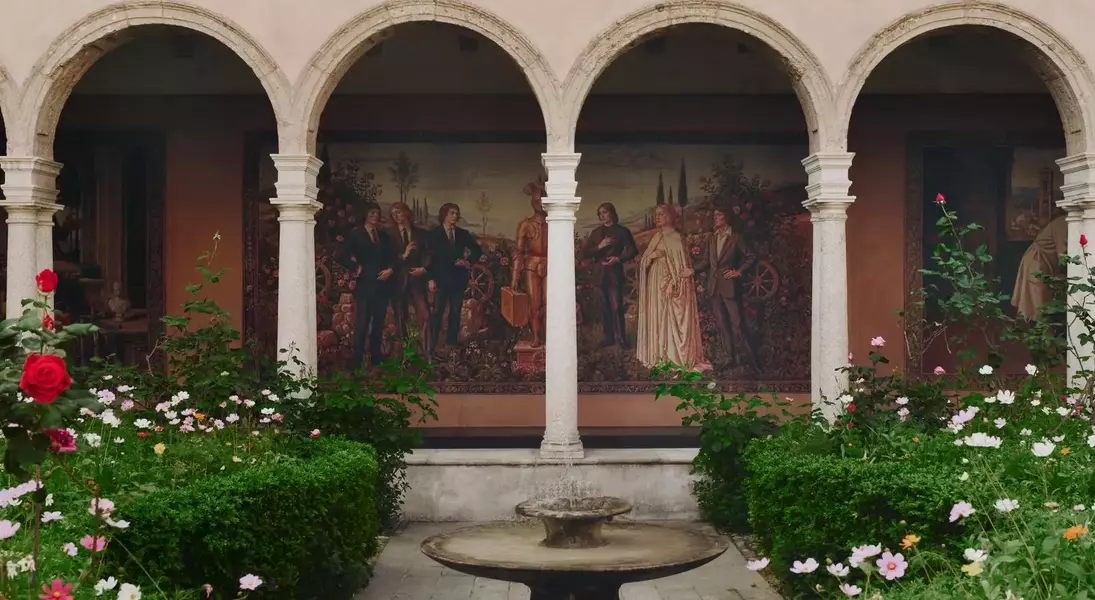
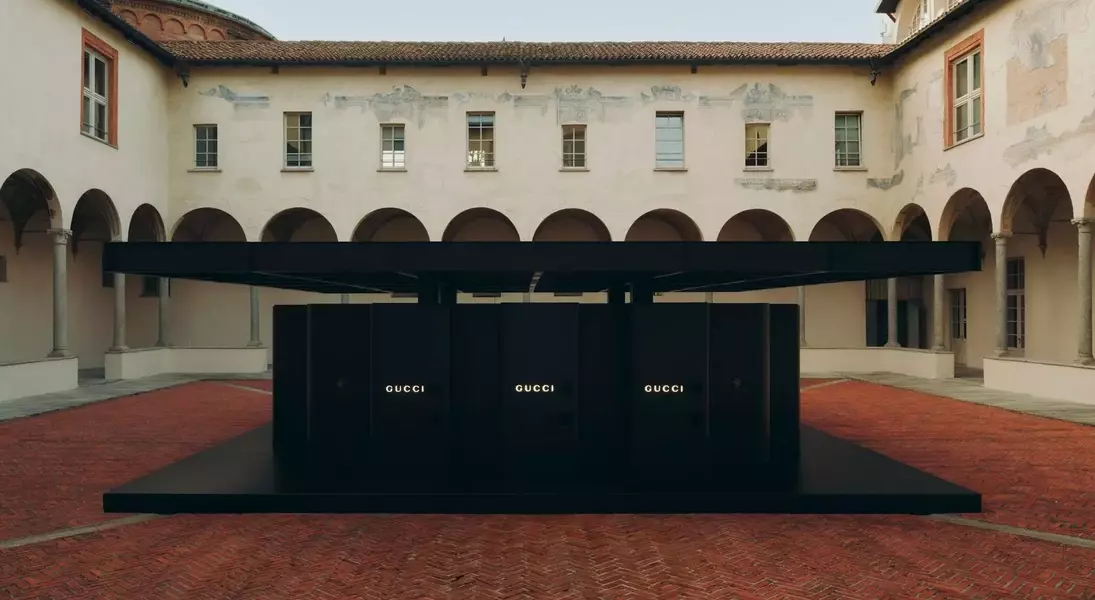
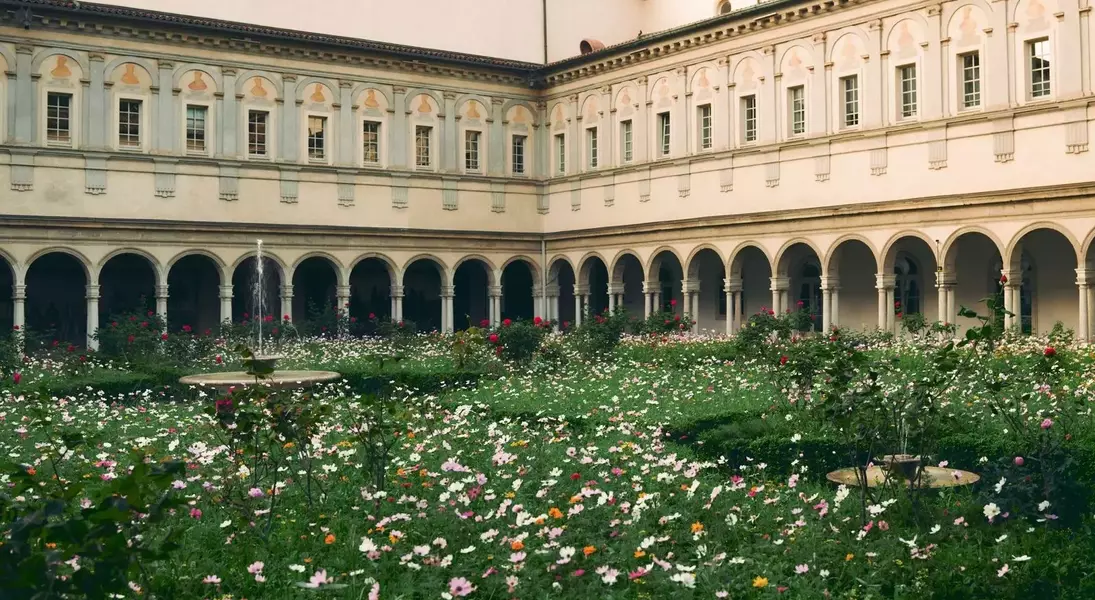
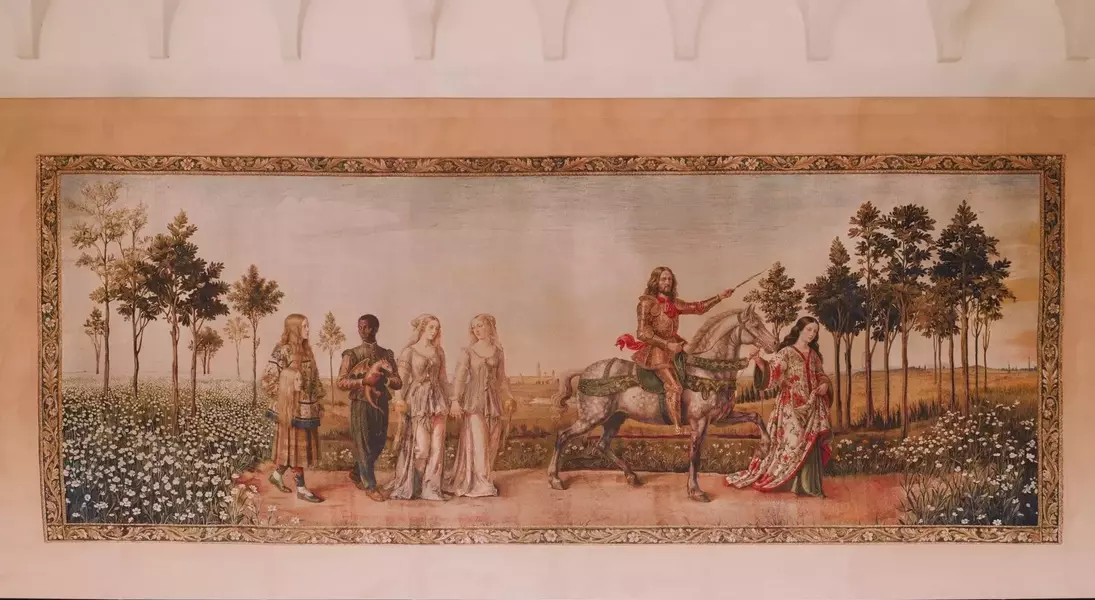
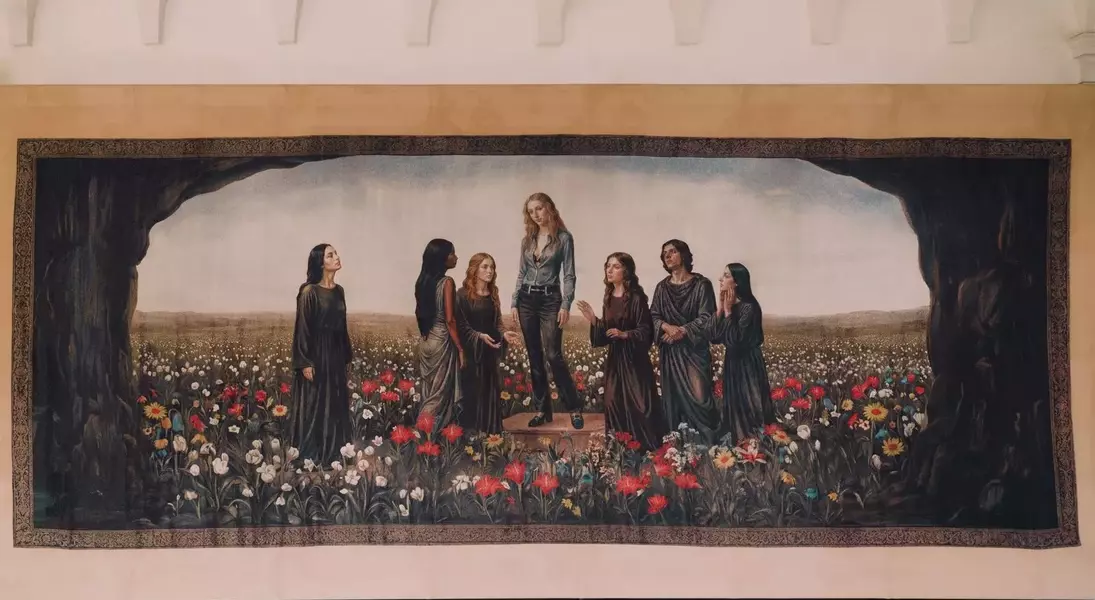
Deeper within Milan's Chiostro di San Simpliciano, a former convent, Gucci unveiled an immersive exhibition titled "Gucci Memoria," offering a nuanced journey through the brand's history. At its heart, an imposing jet-black pavilion served as a vending machine for themed canned cocktails, each representing archetypes from Demna's "La Famiglia" lookbook, such as a "Fashion Icon." This playful, interactive element provided a lighthearted entry into the exhibition's more profound artistic expressions, setting a unique tone for engaging with Gucci's heritage. Beyond this contemporary installation, a tranquil meadow of wildflowers and roses within a larger cloister courtyard provided a serene backdrop for the main attraction: a series of 12 monumental tapestries.
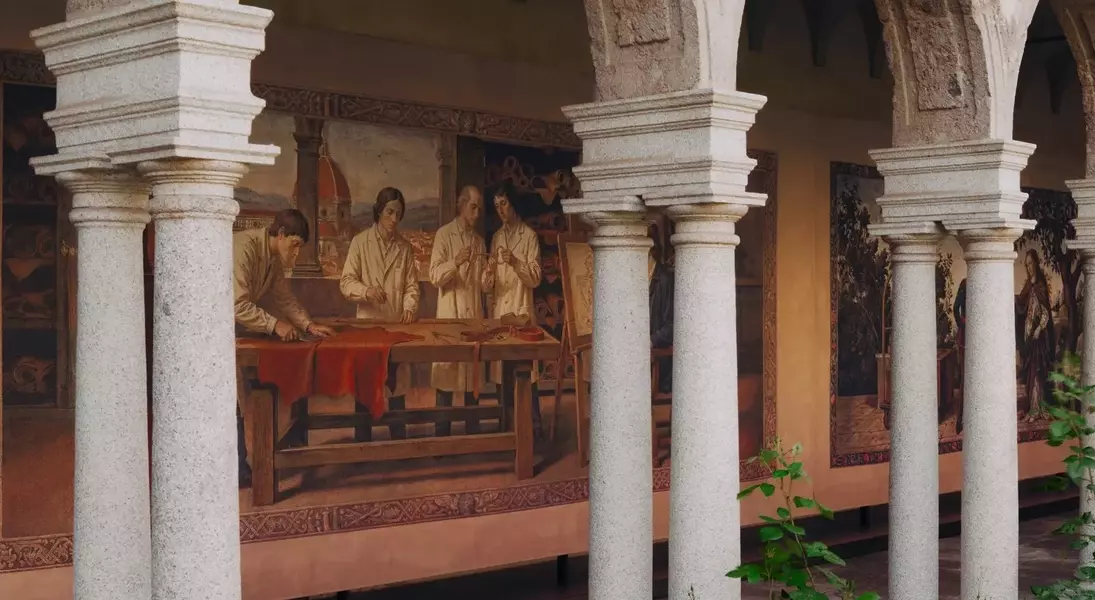
These tapestries, collectively known as "Gucci Memoria," masterfully narrated the house's storied past, weaving together significant moments and figures. From Guccio Gucci's early days at the Savoy Hotel, depicted by a woman offering a pomegranate to a bellhop, to leather artisans crafting goods overlooking the Florence Duomo, each panel was a rich tableau. Notably, some tapestries subtly referenced the infamous family feuds of the 1980s and '90s, reminiscent of "House of Gucci." A particularly charming piece celebrated Alessandro Michele's tenure, showcasing a dandy on horseback leading a procession with a miniature dragon and a disembodied head, a nod to the brand's fall 2018 collection. The exhibit also featured a Gothic reimagining of "The Birth of Venus," incorporating elements from Tom Ford's era. The concluding tapestry depicted Demna himself, meticulously working in the atelier, applying finishing touches to a red coat, adding a meta-narrative layer. This exhibition cleverly fused historical homage with contemporary critique, inviting guests to decipher references and provoking spirited discussions about the consumption of Italian cultural output and the craftsmanship at Gucci's core.
