
"Demigod," a 2009 real-time strategy title, is re-evaluated here, highlighting its imaginative universe inhabited by divine beings, colossal creatures, and prehistoric beasts. While lauded for its stunning visuals and innovative design, the game faced criticism for its convoluted mechanics and absence of introductory guidance. Despite these challenges, its distinctive blend of role-playing elements within a strategy framework, alongside its colorful characters and tactical depth, established it as a pioneering work that foreshadowed the rise of the Multiplayer Online Battle Arena genre. The game achieved a respectable score of 81% in its original assessment, reflecting its potential despite its imperfections.
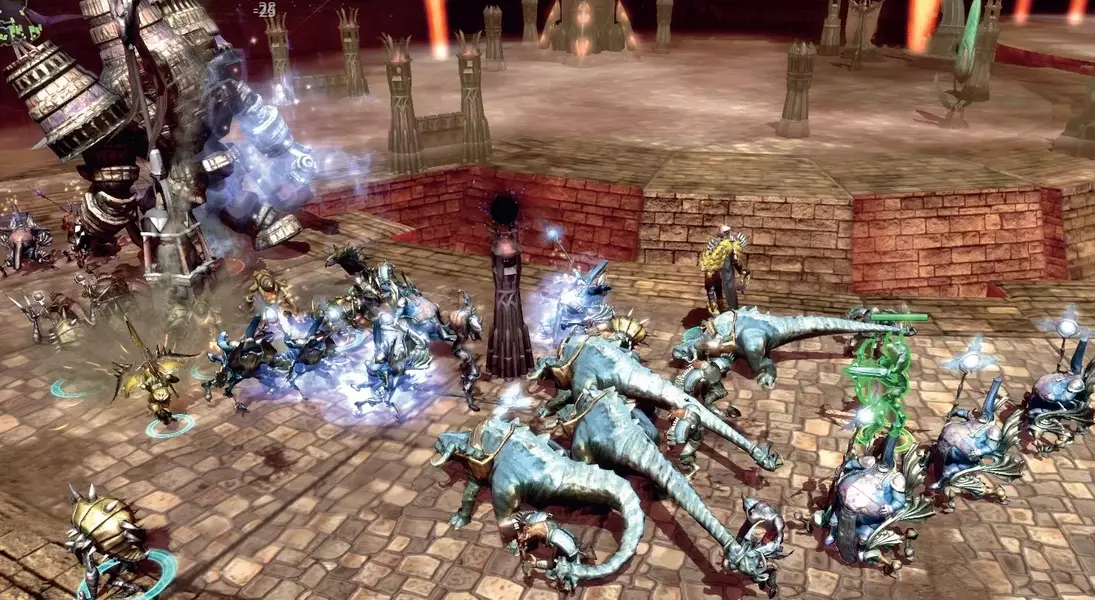
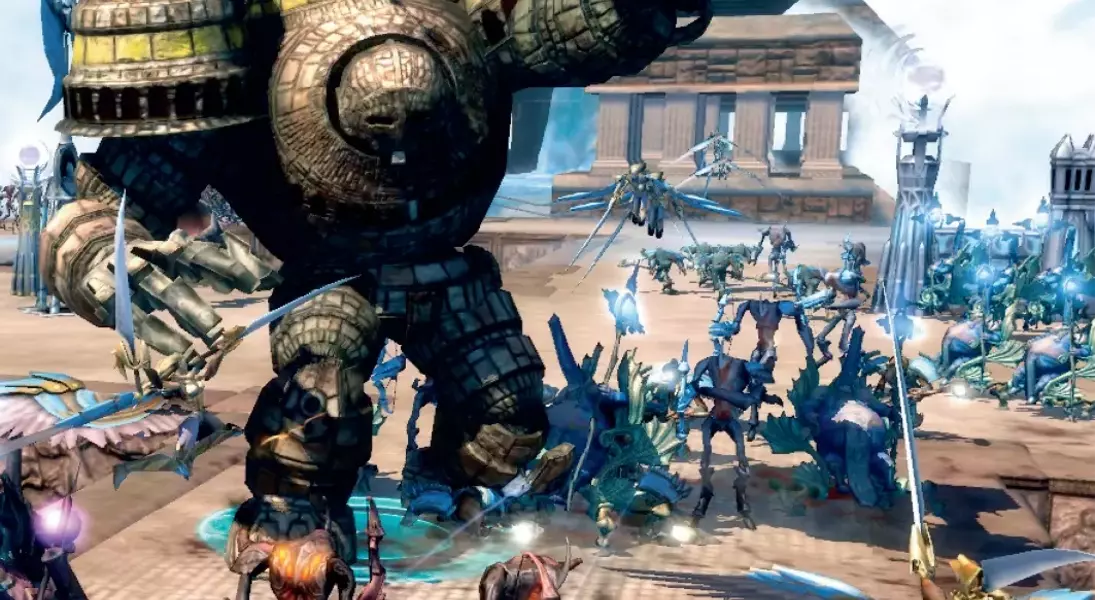
The game's narrative sets players in a cosmic struggle among demigods vying for a vacant divine position, following the demise of a deity. This premise serves as a backdrop for skirmishes and tournaments, where factions like the Forces of Light and Darkness engage in conflict. These battles, while resembling traditional real-time strategy games focused on individual units, unfold on eight intricately designed, symmetrical maps. These arenas, adorned with waterfalls or ancient Greek sculptures, provide a decadent stage for conflicts between powerful immortals and their AI-controlled subordinates. The combat evolves from small-scale clashes to chaotic melees involving giants, demons, and spell-casting priests, embodying a core action role-playing experience where character progression replaces conventional base-building. Players enhance their demigods through experience, skill selection, and item acquisition, effectively transforming their character into a mobile stronghold.
The character "Rook," a sentient castle, epitomizes the game's distinctive demigod-as-base concept. Its initial accessibility compensated for the game's lack of tutorials, allowing players to quickly grasp mechanics. Upgrading Rook meant equipping it with archers, Tesla coils, and trebuchets, showcasing the depth of customization. While other demigods, such as the angelic sniper Regulus, initially seemed less impactful, their true potential became evident through extended play and strategic itemization. Regulus, for instance, could protect control points with mines and eliminate distant targets. The game's whimsical character abilities, like Regulus sprouting wings or the Torch Bearer igniting themselves for a fiery attack, added a unique charm and comic book-like appeal. These distinctive characters, coupled with diverse game modes like Conquest and Fortress, demanded varied strategies and character combinations.
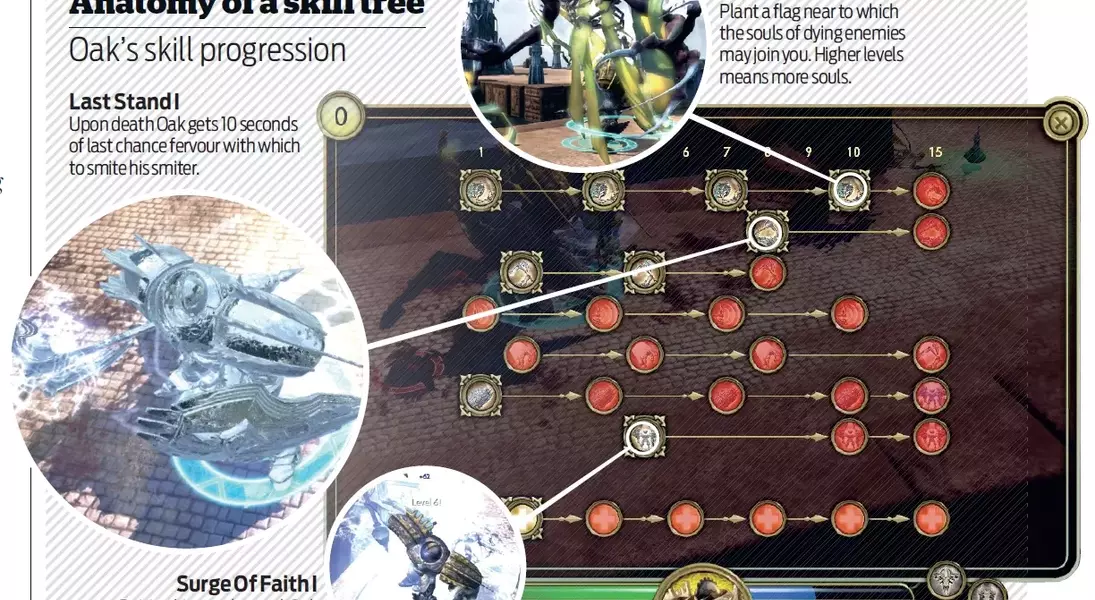
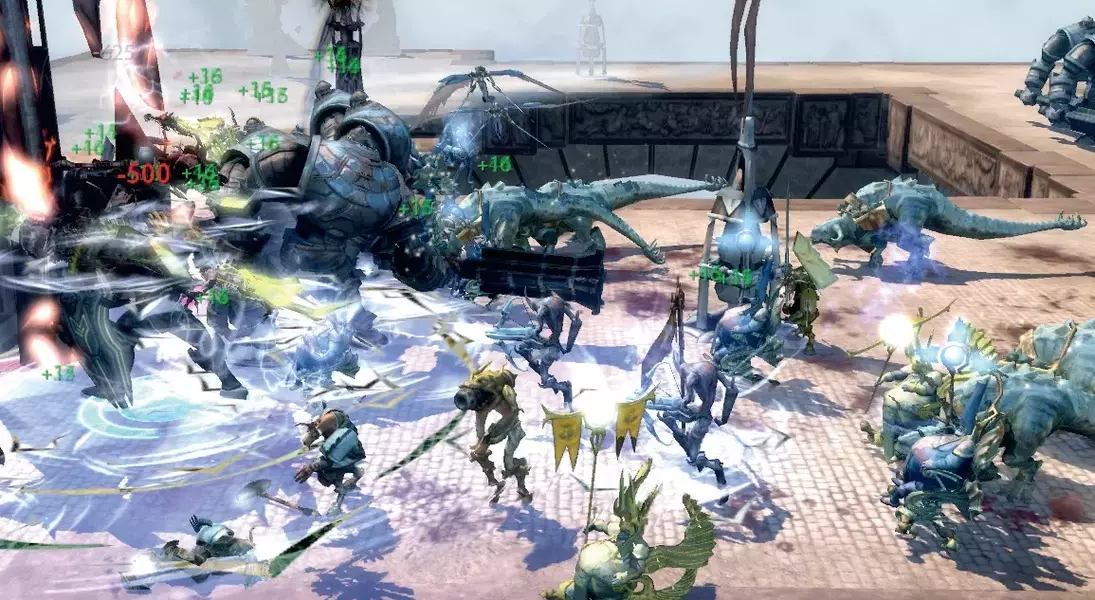
The game also features a class of "Generals," who, while possessing personal combat prowess, rely on summoned minions, leaning closer to traditional RTS gameplay. Characters like Oak, with his robust melee capabilities and soul-reaping abilities, serve as an excellent entry point for players seeking to command troops. More advanced generals include the Queen of Thorns, who floats on a plant-borne beetle, Sedna, who rides a giant cat and summons yetis, and the vampiric Lord Erebus, capable of turning into a damaging mist. These characters further diversify the strategic landscape, offering a range of tactical choices for players. However, the game was not without its faults; issues such as questionable pathfinding, confusing visual clutter in large battles, and persistent network problems significantly hampered the multiplayer experience, frequently limiting play to offline modes against AI opponents.
Despite these technical shortcomings, "Demigod" delivered an enjoyable experience, both offline and when online functionality worked as intended. Its innovative fusion of traditional strategy and RPG-style progression, combined with its distinctively styled characters and over-the-top abilities, provided a fresh and engaging gameplay loop. The game successfully lured strategy and RPG enthusiasts alike into a statistical labyrinth, where understanding numerical advantages, such as a Mage Slayer's stun chance, became crucial for tactical success. Ultimately, "Demigod" stands out as a fascinating precursor to the MOBA genre, showcasing a imaginative world and deep character customization despite its initial release challenges.
