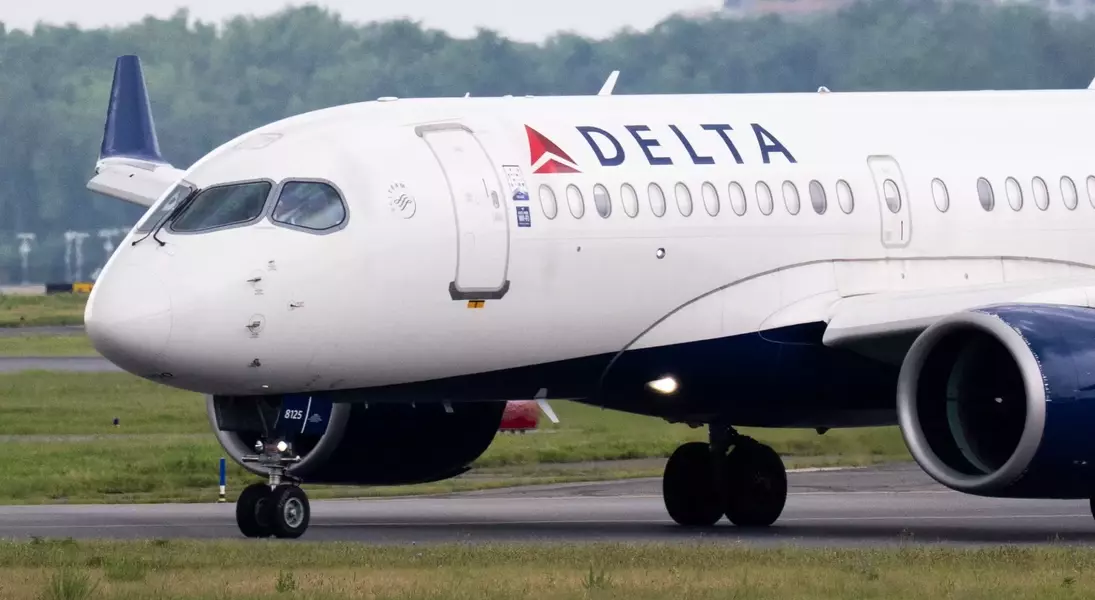
Delta Air Lines is at the forefront of a significant transformation in the airline industry, integrating artificial intelligence to revolutionize its ticket pricing strategy. This strategic pivot moves away from traditional static pricing models, ushering in an era where flight costs are dynamically adjusted to reflect what individual customers are prepared to pay. The airline's president has openly shared the promising early results of this initiative, signaling a bold new direction for air travel economics.
Dynamic AI Pricing Takes Flight at Delta Air Lines
In a groundbreaking move, Delta Air Lines is leading the charge in adopting an advanced, AI-powered system for determining flight prices. This innovative technology, supplied by travel firm Fetcherr, which also partners with other major carriers like Virgin Atlantic and WestJet, is designed to customize ticket prices for each individual traveler. During their earnings call in November and again last week, Delta's president, Glen Hauenstein, enthusiastically discussed the "amazingly favorable" outcomes of their initial tests. The system, which began influencing one percent of ticket prices, has now expanded to three percent and is targeted to reach 20 percent by the close of the year 2025. This “super analyst” AI operates around the clock, evaluating various factors to establish real-time, personalized pricing for specific flights and times. While airlines have historically adjusted fares based on booking time and sales channels, Delta's new AI approach marks a profound reengineering of their pricing framework. Despite the airline's optimism regarding revenue gains, Hauenstein acknowledged the inherent risks, emphasizing the necessity for careful control in this multi-year implementation.
This pioneering shift by Delta Air Lines prompts a broader contemplation on the implications of AI in consumer services. From a consumer perspective, the allure of personalized experiences often comes hand-in-hand with concerns about transparency and fairness. While dynamic pricing could theoretically offer more tailored deals, the underlying algorithmic assessments of an individual's "willingness to pay" raise valid questions about privacy and potential exploitation. Is the industry moving towards a future where pricing models become opaque, leaving consumers feeling as though their psychological profiles are being 'hacked' for profit? This technological evolution demands a robust dialogue among airlines, consumers, and regulators to establish ethical guidelines that safeguard individual interests while fostering innovation. The ongoing journey of AI integration in such a vital sector serves as a crucial case study for how we balance technological advancement with consumer protection in an increasingly data-driven world.
