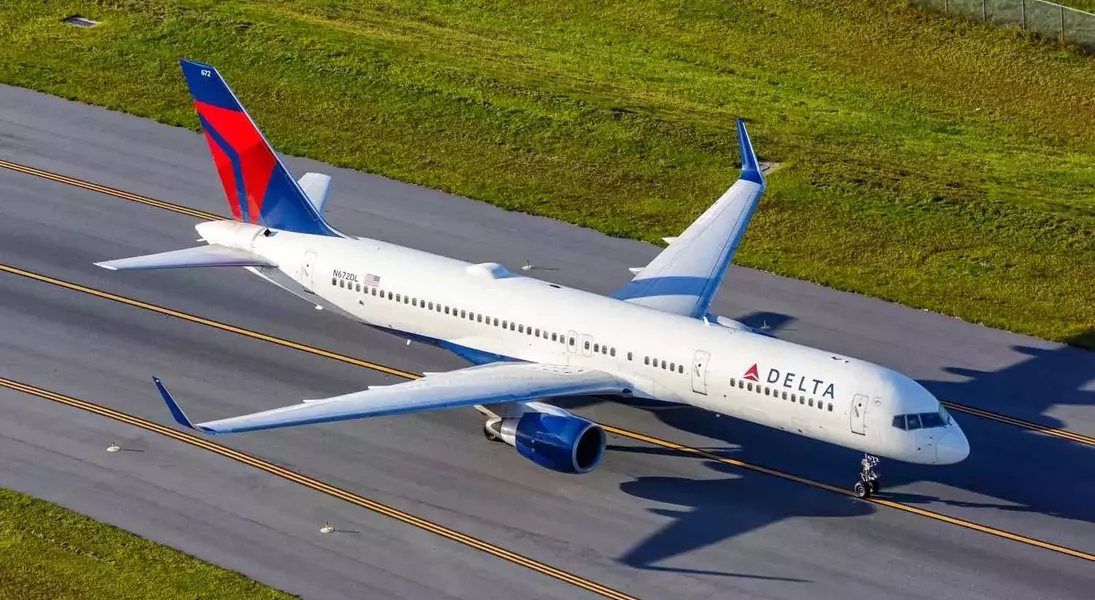
Delta Air Lines, a major player in the aviation sector, has indicated that the pricing of standard economy airfares is set to increase. This adjustment is primarily driven by the unsustainably low-profit margins currently associated with these tickets, a challenge that is compelling carriers to re-evaluate their pricing strategies to maintain operational viability.
Airline Economics: The Inevitable Rise of Main Cabin Fares
Understanding the Economic Pressures on Airfares
The current pricing structure for basic air travel tickets is unlikely to persist. Glen Hauenstein, President of Delta Air Lines, has articulated that an upward revision of prices for domestic main cabin seats is probable. This move is a direct response to the financial realities faced by airlines, including Delta, where the core act of transporting passengers often incurs losses. Profitability, in many instances, is sustained by revenue generated from supplementary services, such as co-branded credit cards and other ancillary offerings.
The Shift from Economy to Premium Revenue
A significant trend observed in the airline industry, particularly highlighted by Delta's recent performance, is the growing disparity between premium and economy class revenues. In the fourth quarter, Delta reported that earnings from its premium ticket sales exceeded those from basic economy fares. This indicates a strategic shift within the industry, where higher-end travel segments are becoming increasingly crucial for financial health. Airlines focusing heavily on the main cabin segment face intensified pressure to adapt their models.
Forthcoming Adjustments in the Airline Sector
According to Hauenstein, this recalibration of airfare is not merely a possibility but an economic imperative. He emphasized that the financial mathematics necessitates a change, suggesting that current pricing models are unsustainable in the long run. The announcement followed Delta's fourth-quarter earnings, which fell slightly short of analyst expectations, coupled with a conservative profit outlook that surprised Wall Street.
Implications for Air Travelers
Consumers should be prepared for potential changes beyond just ticket prices. A reduction in main cabin capacity could lead to fewer flight options, such as specific routes being offered on fewer days or at less convenient times. These operational modifications could result from consolidation efforts or strategic adjustments by airlines seeking to enhance profitability. The increased demand for premium and business travel, noted by Delta CEO Ed Bastian, further underscores this trend. Wealthier travelers appear less affected by economic fluctuations, maintaining robust demand for higher-priced tickets, while sales for budget-friendly seats have shown sluggishness.
Industry Adaptation and Future Outlook
Several airlines, including Delta and United Airlines, are actively reducing their main cabin capacity. In the low-cost carrier segment, companies like Sun Country and Allegiant Travel Company are exploring mergers as a strategy to navigate the challenging economic landscape. Bastian projects that such operational shifts and industry consolidation will continue until the main cabin segment achieves improved profitability. This ongoing evolution suggests a fundamental restructuring of airline services and pricing, with a clear move towards a more revenue-diversified and premium-focused mode
