

For over two decades, the live-action adaptations of Spider-Man have consistently reimagined the iconic hero, maintaining the fundamental elements that define his character. Across different lead actors, directorial visions, and portrayals of New York City, Peter Parker has remained a deeply resonant figure in cinema. While not every Spider-Man movie achieves universal acclaim, often burdened by an excessive number of antagonists or an overemphasis on cinematic universe expansion, even the less successful entries exhibit moments of brilliance. This can be seen in Andrew Garfield's captivating portrayal, Tobey Maguire's profound sincerity as Peter Parker, or Tom Holland's unique fusion of both qualities. With the recent debut of a new Spider-Man installment, this analysis systematically evaluates each live-action film, charting their spectrum from the easily forgotten to the truly remarkable.
This journey through the Spider-Man cinematic universe reveals how each film contributes to the character's enduring legacy. From early attempts to ground the hero in a relatable high school setting to complex narratives involving multiversal interactions, the evolution of Spider-Man on screen reflects changing trends in superhero storytelling. The exploration of personal struggles, the weight of responsibility, and the development of intricate relationships are central themes that weave through these diverse interpretations. Ultimately, understanding these films in their entirety provides insight into why Spider-Man continues to be one of the most beloved and continually reinterpreted characters in popular culture.
The Evolution of Peter Parker Across Generations
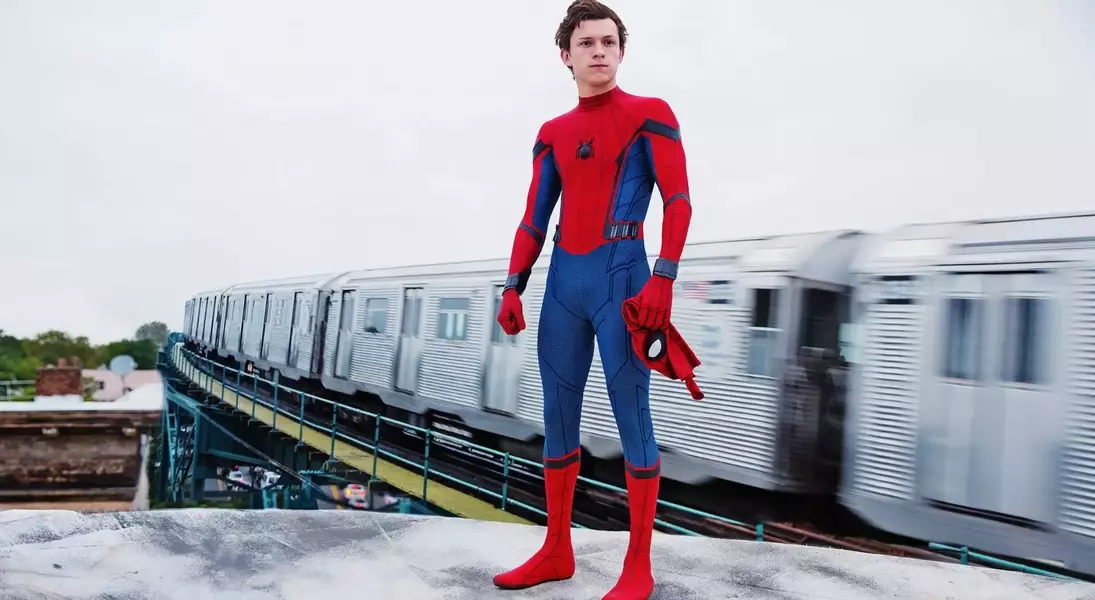
The cinematic journey of Spider-Man showcases Peter Parker's consistent reinvention across multiple live-action films, each time by a new actor and creative team. From Tobey Maguire's sincere and often awkward portrayal to Andrew Garfield's charismatic and witty take, and finally Tom Holland's blend of earnestness and confidence, the character's core identity as a struggling hero who balances personal life with immense responsibility has remained intact. Even films that faltered under the weight of expansive universe-building or an abundance of villains often contained glimpses of the character's inherent appeal, demonstrating the enduring power of Spider-Man's narrative.
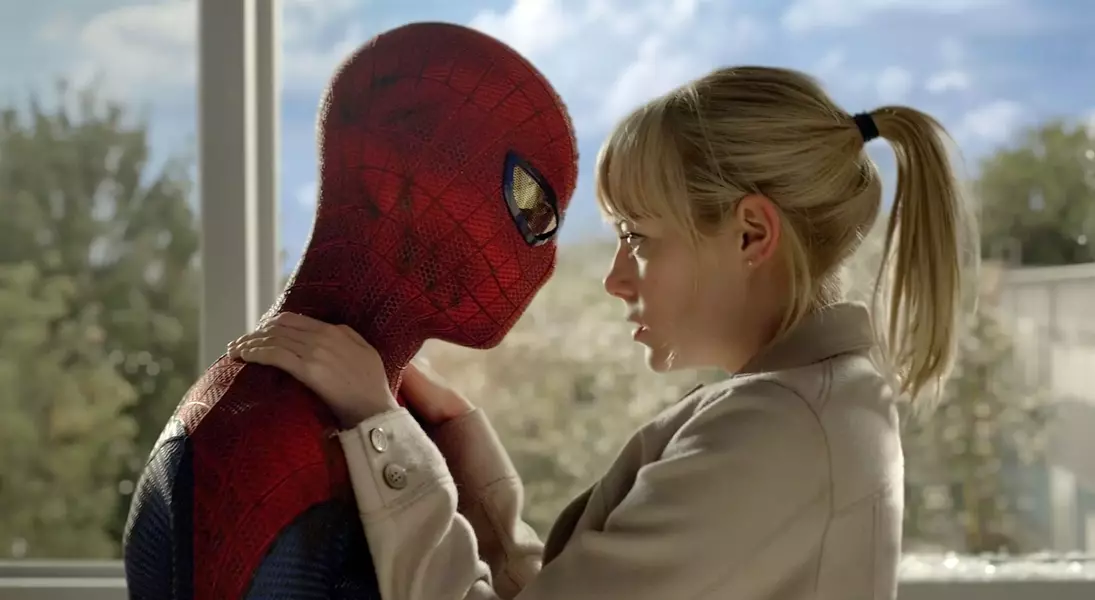
This continuous reinterpretation has allowed audiences to connect with Peter Parker in various ways, highlighting different facets of his personality and struggles. Maguire's Spider-Man emphasized the heavy burden of his powers and his quiet heroism. Garfield brought a more rebellious and agile energy, focusing on his intellectual prowess and emotional depth, particularly in his relationship with Gwen Stacy. Holland's iteration integrated Peter into a larger superhero world, exploring his journey from a high school student to a more mature hero facing global threats and profound personal sacrifices. Each actor, guided by their respective directors, brought unique dimensions to the role, ensuring that despite the narrative shifts and stylistic differences, the essence of Peter Parker's relatability and heroism always shined through.
Defining Moments and Enduring Legacies in Spider-Man Cinema
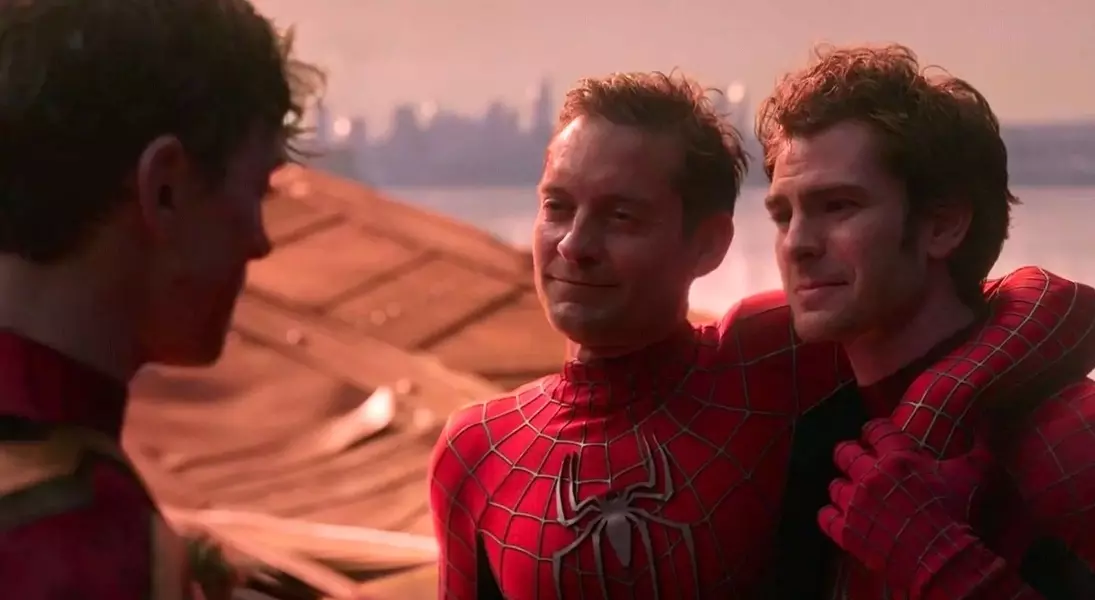
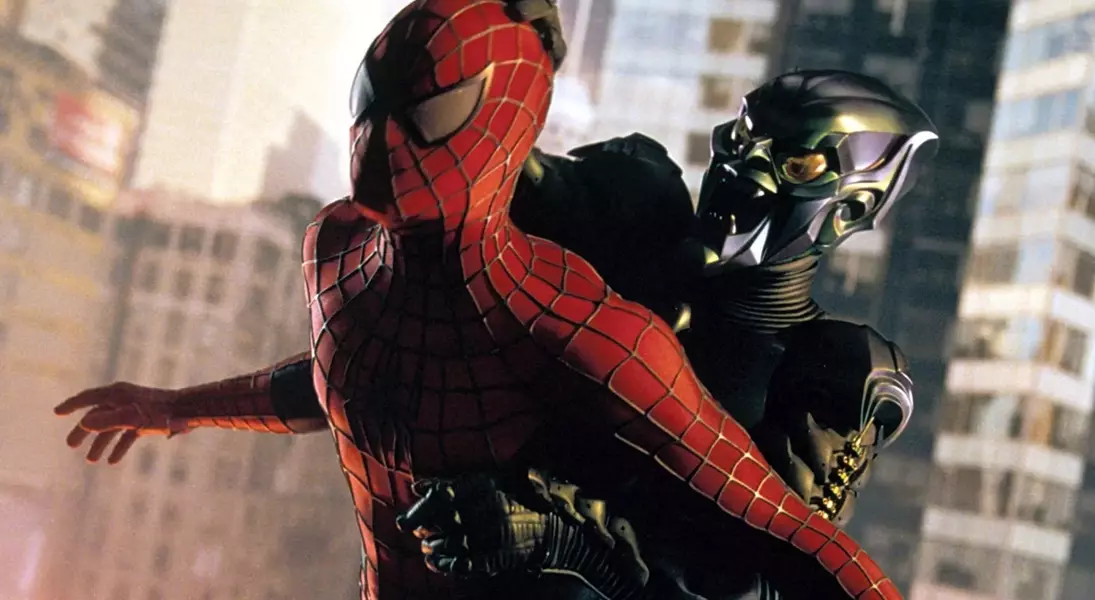
Throughout its history, the Spider-Man film franchise has delivered numerous defining moments and established enduring legacies within the superhero genre. Early films like Sam Raimi's initial Spider-Man proved that comic book adaptations could possess both colorful action and emotional depth, setting a high standard for subsequent entries. Later installments, such as Spider-Man: No Way Home, successfully leveraged nostalgia while providing meaningful closure for multiple iterations of the character, demonstrating a nuanced understanding of fan expectations and narrative arcs. Even films that struggled with convoluted plots or studio interference often contributed memorable villains, powerful emotional sequences, or groundbreaking action set pieces that left a lasting impact.
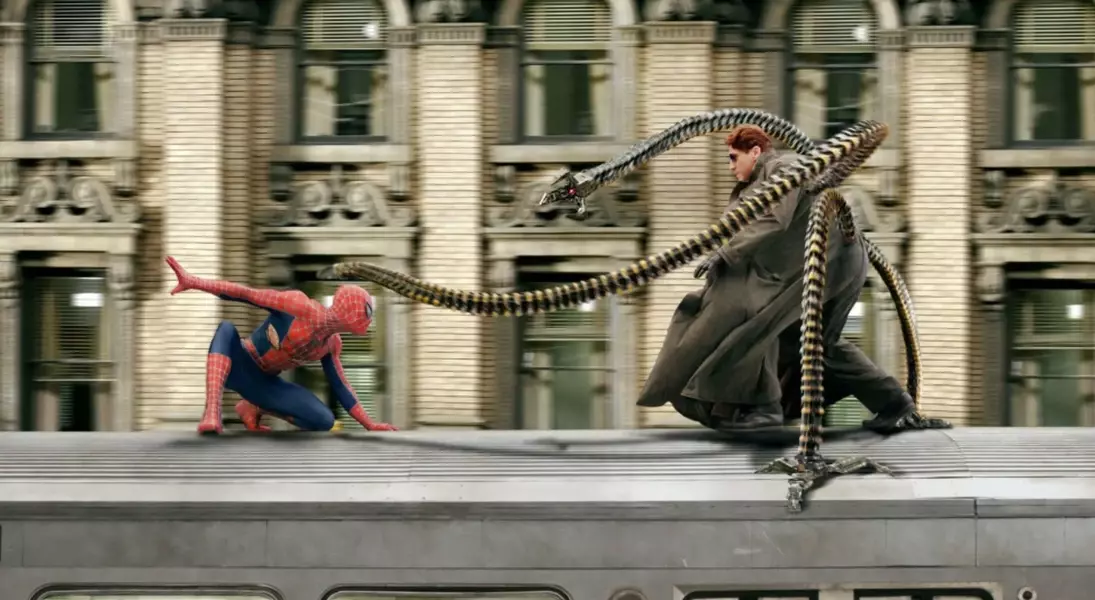
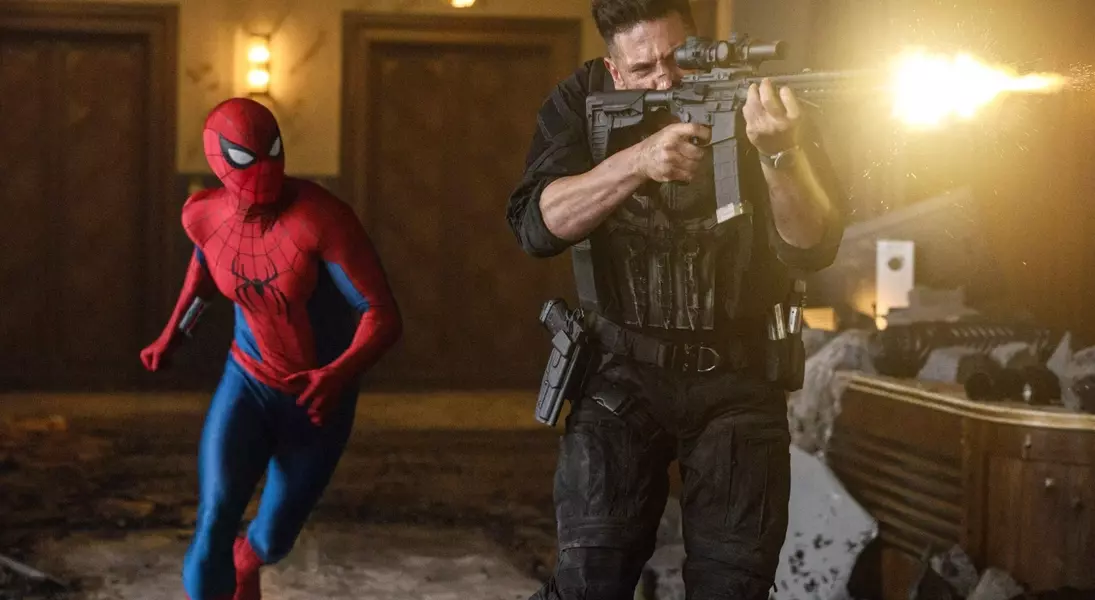
Spider-Man 2 is frequently lauded as the pinnacle of the franchise, showcasing a masterful balance between Peter Parker's personal struggles and his heroic duties. This film's strength lies in its profound emotional core, particularly the mentor-turned-adversary relationship between Peter and Doctor Octopus, which elevates the conflict beyond simple good versus evil. Unforgettable sequences, such as the iconic train battle, combined with Peter's internal battle to reconcile his ordinary life with extraordinary responsibilities, cemented its status. Even newer films like Spider-Man: Brand New Day have managed to recapture this magic by grounding Peter's journey in personal growth and consequence, skillfully integrating him into a broader Marvel universe without losing his unique appeal. These films collectively illustrate that the most compelling Spider-Man stories are not just about spectacular powers, but about the profound human choices and sacrifices that define a true hero.
