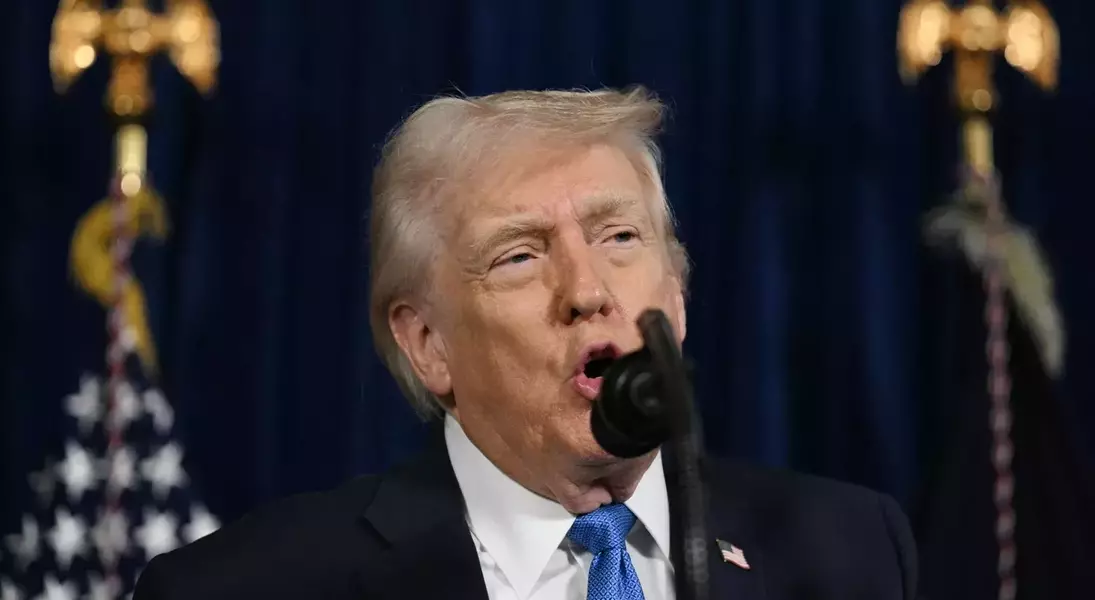
Shares of prominent defense companies experienced a notable rally on Thursday, fueled by former President Donald Trump's call for a substantial boost to the national defense budget. This proposal, advocating for an increase to $1.5 trillion by 2027, suggests a significant expansion of military expenditure, which subsequently invigorated investor confidence in the sector. The market's positive reaction highlights the profound influence of governmental spending policies on specific industries.
This surge in defense stock valuations comes after a brief downturn on Wednesday, a period when Trump had publicly criticized defense contractors for prioritizing stock buybacks and dividends over investments in manufacturing capabilities. However, his subsequent endorsement of a dramatically expanded military budget swiftly shifted market sentiment, demonstrating the direct correlation between political rhetoric, defense policy, and stock performance within the aerospace and defense industry.
Proposed Military Budget to Drive Defense Industry Growth
Former President Donald Trump's recent proposal to escalate the U.S. military budget to an ambitious $1.5 trillion by 2027 has ignited a wave of optimism across the defense sector. This proposed figure represents a significant increase from the $850 billion allocated in fiscal year 2025 and nearly $1 trillion projected for 2026. The substantial hike, approximately 50% from current levels, underscores a potential shift towards heightened national defense spending. This prospect has been met with enthusiasm by investors, leading to a notable uptick in the stock prices of major defense contractors. The rationale behind such an increase, as articulated by Trump, centers on bolstering national security during what he describes as "troubled and dangerous times."
The announcement of this proposed budget has already translated into tangible gains for leading defense companies. On Thursday, shares of Lockheed Martin (LMT), Huntington Ingalls (HII), and L3 Harris (LHX) each climbed by more than 7%, emerging as top performers within the S&P 500 index. Similarly, General Dynamics (GD) and Northrop Grumman (NOC) saw their stock values increase by over 4%, while RTX Corp., the parent company of Raytheon, experienced a 2% rise. This immediate market response highlights the direct impact of anticipated government contracts and increased defense expenditures on the financial health and perceived value of these corporations. The proposed budget not only signals a robust future for defense spending but also positions these companies for sustained growth and increased profitability, reinforcing their status as key players in a strategically vital industry.
Political Directives and Market Response in Defense Sector
The defense sector's recent market fluctuations vividly illustrate the immediate and profound impact of political pronouncements on investor sentiment. Just days prior to the surge, former President Trump had publicly criticized defense contractors, urging them to redirect funds from stock buybacks and dividends towards enhancing their manufacturing processes and accelerating production. This directive initially led to a decline in defense stocks, as investors braced for potential shifts in corporate strategy and profitability. The temporary downturn underscored the market's sensitivity to signals from influential political figures, particularly concerning the allocation of corporate resources within industries heavily reliant on government contracts.
However, the market quickly recalibrated its outlook following Trump's subsequent call for a significant military budget expansion. The prospect of a $1.5 trillion defense budget by 2027 overshadowed previous concerns, signaling a clear path for increased revenue and long-term stability for defense contractors. This rapid rebound in stock prices demonstrates the market's propensity to prioritize potential growth opportunities stemming from substantial government investment. The dynamic interplay between political rhetoric, proposed budgetary changes, and immediate market reactions underscores the complex environment in which defense companies operate, where both direct policy changes and influential statements can profoundly shape their financial trajectories and investor confidence.
