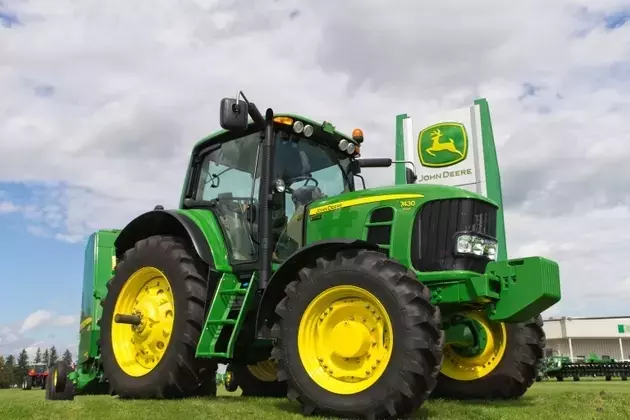
This article provides an in-depth analysis of Deere & Company's stock performance and financial health. It explores the reasons behind the stock's high valuation despite recent financial declines and addresses the market's seemingly optimistic outlook on the company's future. The discussion delves into macroeconomic factors affecting the agricultural sector and evaluates the realism of management's long-term growth projections.
Unpacking Deere's Elevated Valuation Amidst Economic Shifts
Assessing Deere's Current Market Standing and Investor Sentiment
Analyzing Deere's market position has become a complex endeavor. Despite a general air of caution or pessimism among many financial analysts, the company's stock continues to show resilience. Recent analyst ratings indicate a divided opinion, with a majority expressing neutrality or a sell recommendation. Yet, the stock's sustained performance suggests an underlying confidence from investors, perhaps anticipating a swift and complete rebound from current challenges.
Deere's Valuation Metrics: A Closer Examination
The company's valuation metrics present a stark picture. Deere is currently trading at a forward price-to-earnings (PE) ratio of 35 and a price/earnings to growth (PEG) ratio of 2.5. These figures are not only well above the company's historical averages but also surpass those of many leading technology companies. Such elevated multiples imply that the market is factoring in an exceedingly optimistic scenario for Deere's future growth and profitability, where every aspect of its recovery is flawlessly executed.
Macroeconomic Influences on Agricultural Equipment Demand
Several macroeconomic factors are casting shadows on the demand outlook for Deere's primary products. Data indicates a slowdown in farm capital investment, a critical driver for agricultural machinery sales. Additionally, the agricultural sector's significant dependence on government subsidies suggests a less robust underlying demand for equipment. These conditions point to a challenging environment for near-term sales growth, potentially hindering the company's ability to meet ambitious revenue targets.
Evaluating Management's Growth Projections and Future Outlook
Deere's management has set an ambitious goal of achieving a 10% compound annual growth rate (CAGR) in net sales by 2030. However, the slow adoption of Software-as-a-Service (SaaS) revenue models and a projected decline in financial guidance for 2026 raise concerns about the attainability of this target. The discrepancy between management's long-term vision and current operational realities suggests that investors might be overlooking potential obstacles to sustained growth, placing undue faith in a recovery that may be more gradual and less certain than anticipated.
