This report delves into the escalating sophistication of deepfake technology and the profound societal challenges it presents. Artificial intelligence is rapidly advancing, creating increasingly convincing synthetic media that blurs the lines between reality and fabrication. The discussion centers on the potential for widespread misinformation and the erosion of trust in digital content, underscoring an urgent need for proactive measures and increased public awareness to mitigate these risks. Despite the innovative aspects of AI, the rapid evolution of deepfakes raises significant concerns about our collective readiness to confront their widespread impact.
Unsettling Advancements in Deepfake Technology: A Conversation with Captions CEO Gaurav Misra
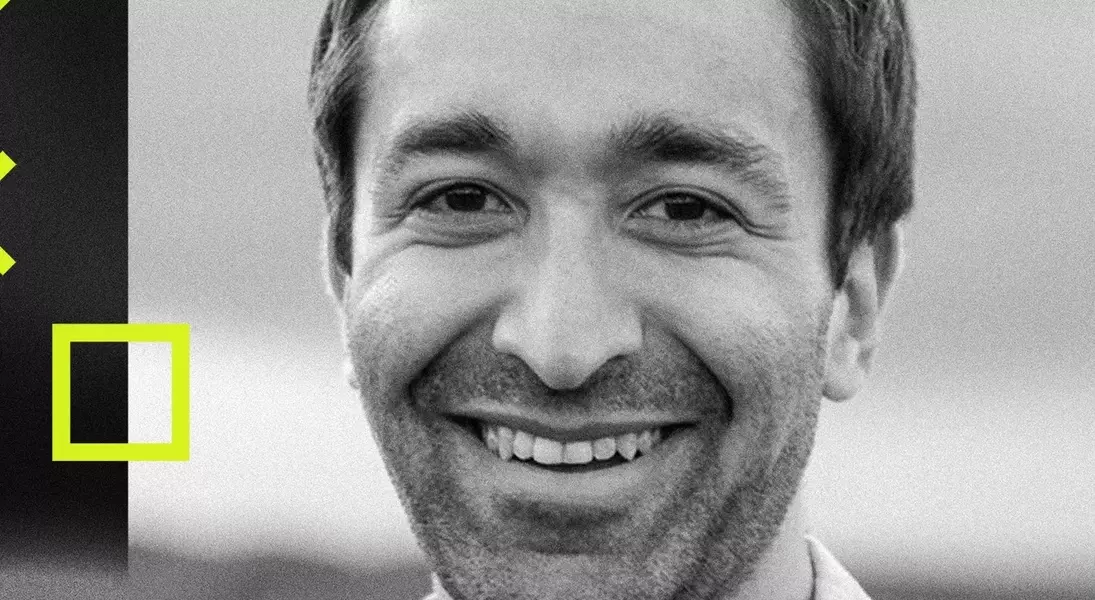
In a recent candid interview on the Decoder podcast, Gaurav Misra, the visionary CEO of Captions, voiced profound concerns regarding the accelerating pace of deepfake technology. This insightful conversation, held on July 24, 2025, underscored the disturbing reality that advanced AI models, such as Captions' own Mirage Studio platform, are now capable of generating disturbingly realistic synthetic human likenesses. Misra's apprehension is further detailed in his company's recent report, titled \"We Build Synthetic Humans. Here’s What’s Keeping Us Up at Night,\" which serves as a comprehensive overview of the current state and future trajectory of deepfakes.
The core of Misra's anxiety, passionately articulated during the discussion, revolves around the unsettling truth that the deepfakes we encounter today are, paradoxically, the least convincing they will ever be. As this technology continues its exponential growth, the ability to discern authentic content from fabricated imagery will become progressively challenging, leaving society profoundly unprepared for the ensuing implications. Misra emphasized that despite efforts to develop this technology responsibly, the widespread availability and increasing refinement of deepfake tools are racing ahead of our collective capacity to address their potential for misuse and widespread deception.
This dialogue casts a stark light on the critical need for increased scrutiny, public education, and robust regulatory frameworks to navigate the complex landscape of AI-generated media. The future of digital trust hinges on our ability to understand and adapt to these powerful technological advancements, which, while offering creative possibilities, also harbor significant risks to truth and societal cohesion.
As a journalist observing these rapid technological shifts, the insights shared by Gaurav Misra are truly unsettling. The ease with which advanced deepfake technology can now be accessed and manipulated by anyone, as demonstrated by platforms like Mirage Studio, highlights a pressing crisis in information integrity. We are entering an era where visual and auditory evidence, once considered sacrosanct, can be effortlessly manufactured and disseminated. This reality demands a collective awakening: not only do we need stronger technological countermeasures and ethical guidelines, but also a fundamental shift in how we consume and critically evaluate digital content. The responsibility falls on both creators to act ethically and on the public to develop a keen sense of media literacy. Without these crucial steps, the very fabric of truth and trust in our interconnected world is at severe risk.
