This article delves into the lasting influence of Neverwinter Nights, not just as a singular gaming experience but as a groundbreaking platform that empowered players to create their own expansive worlds. The author shares a personal narrative of immersion, transforming from a player navigating BioWare's pre-designed adventures to an active Dungeon Master shaping unique narratives. A key theme explored is the game's unparalleled Aurora Toolset, which cultivated a thriving modding scene and gave rise to "Persistent Worlds"—player-driven, mini-MMOs that offered endless role-playing opportunities. The piece concludes with a reflection on how modern RPGs have largely failed to replicate this level of creative freedom, suggesting that economic models in the gaming industry often prioritize monetization over empowering communities to build and share free content.
The author's personal experience with Neverwinter Nights (NWN) began during a period of uncertainty in the early 2000s, where the game provided a much-needed escape. More than just playing the official campaign, the author found solace and purpose in NWN's robust modding community. The game's Aurora Toolset proved to be a gateway to unparalleled creativity, allowing players to design their own adventures and even entire virtual worlds. This deep engagement led to the creation of custom content, including a birthday adventure for a friend, which solidified the author's passion for game design and storytelling within the NWN ecosystem. This formative experience highlighted the potential for video games to be more than just entertainment; they could be powerful creative tools.
The Birth of Persistent Worlds and Player-Driven Narratives
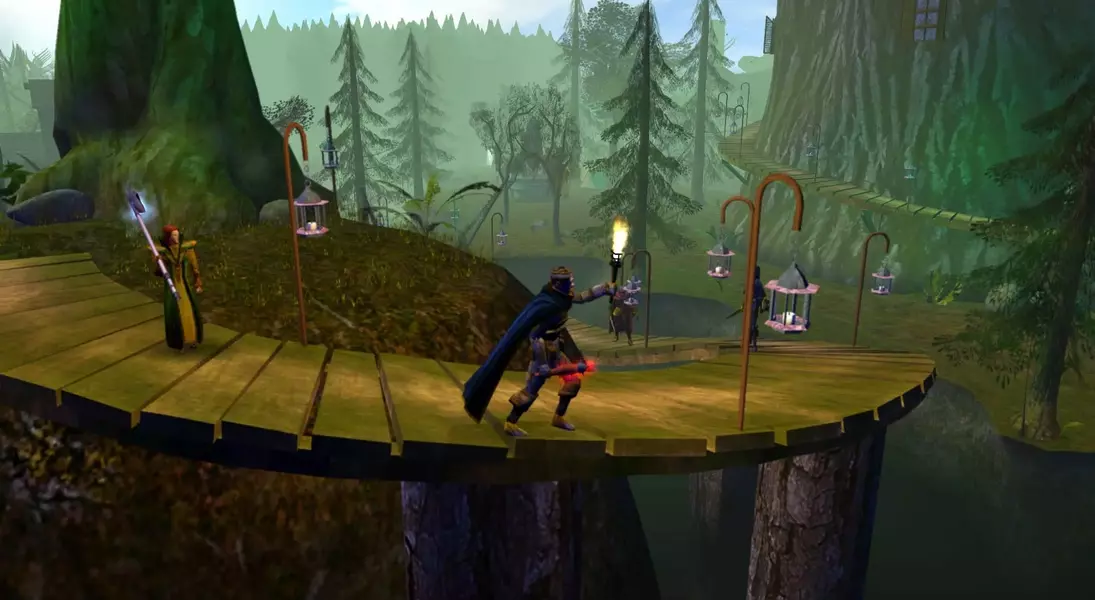
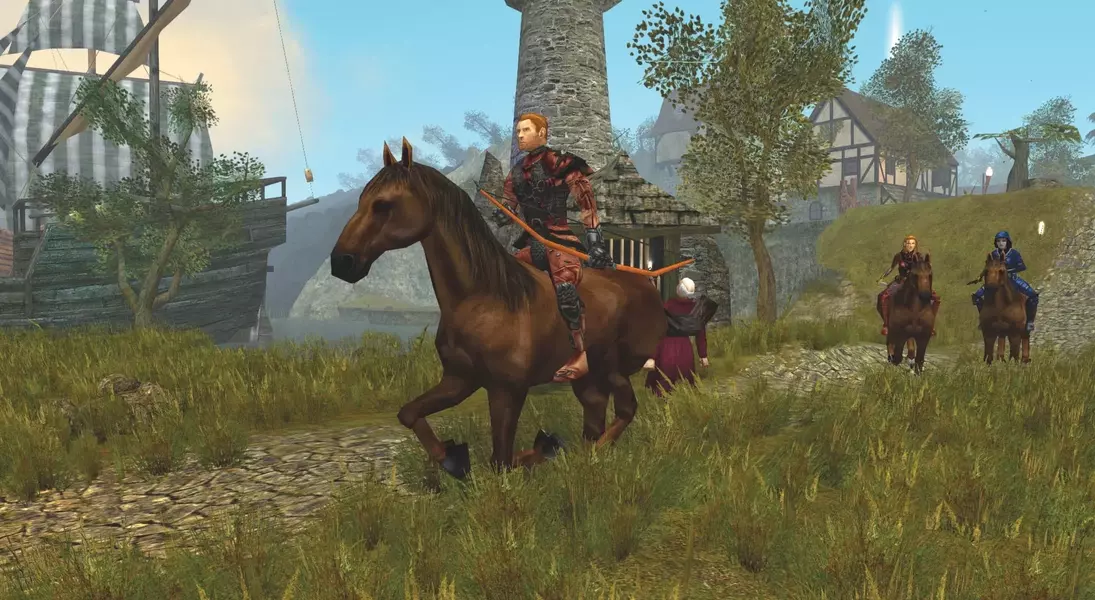
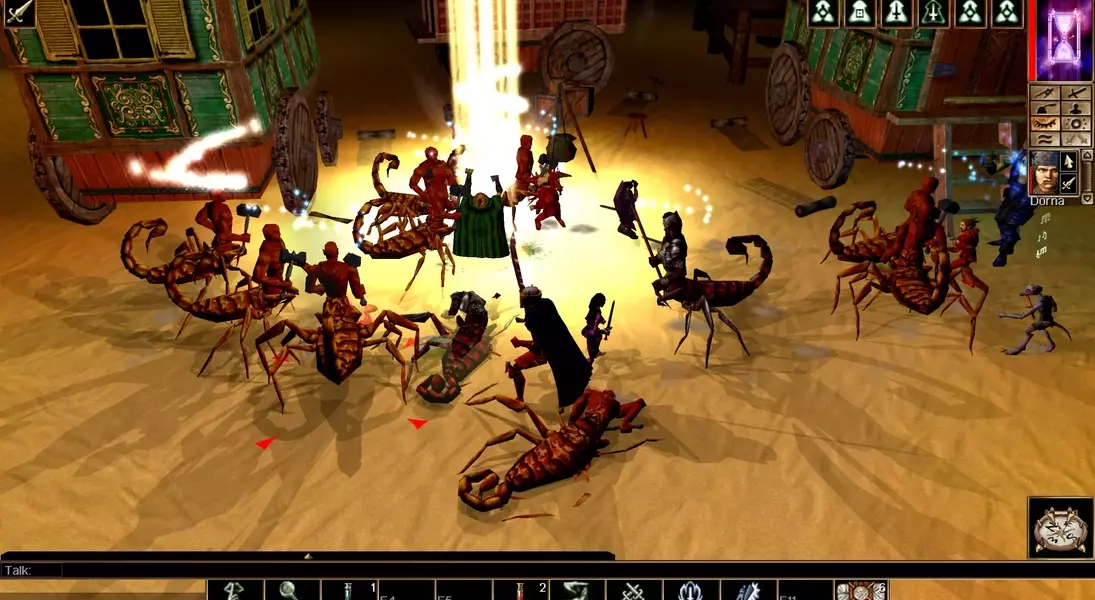
The journey progressed beyond crafting isolated adventures to diving into the world of "Persistent Worlds" (PWs). These player-run servers functioned as miniature Massively Multiplayer Online (MMO) environments, each offering distinct role-playing experiences. For the author, these PWs provided a continuous, accessible outlet for tabletop role-playing, circumventing the logistical challenges of traditional physical sessions. Within these digital realms, the author embraced a new persona as a bard and mercenary, navigating an elaborate fictional world complete with intricate lore and personal character arcs. This era was characterized by the ease with which players could step into rich, ongoing narratives whenever they desired, even in the early hours of the morning.
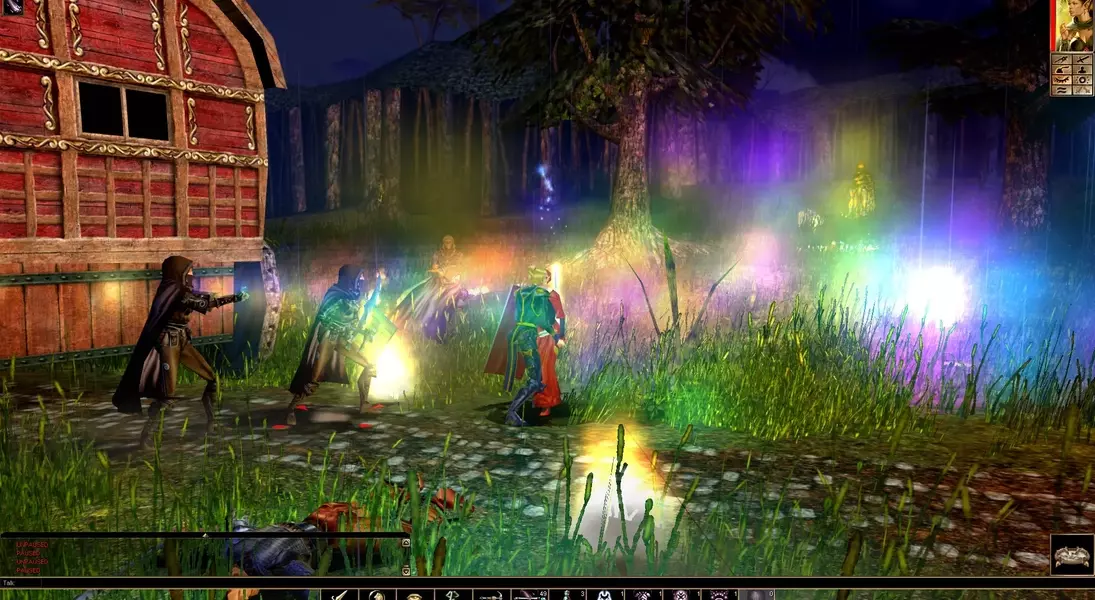
The allure of NWN's Persistent Worlds lay in their ability to bridge the gap between traditional tabletop role-playing and video games. The Aurora Toolset allowed Game Masters to translate their imaginative concepts into tangible digital environments, complete with custom lore, warring factions, and dynamic NPCs. The author recounts their own experiences as a GM, navigating the delicate balance of player agency and narrative control, even when faced with unexpected player actions that disrupted meticulously planned plotlines. This hands-on experience in world-building and narrative management, combined with the spontaneous interactions of a player-driven community, fostered a unique and deeply engaging form of collaborative storytelling. While subsequent games have offered creation tools, none have quite captured the specific blend of scale, freedom, and deep role-playing that defined NWN's Persistent Worlds, leading to a lingering sense of nostalgia for a golden age of player-empowered game design.
