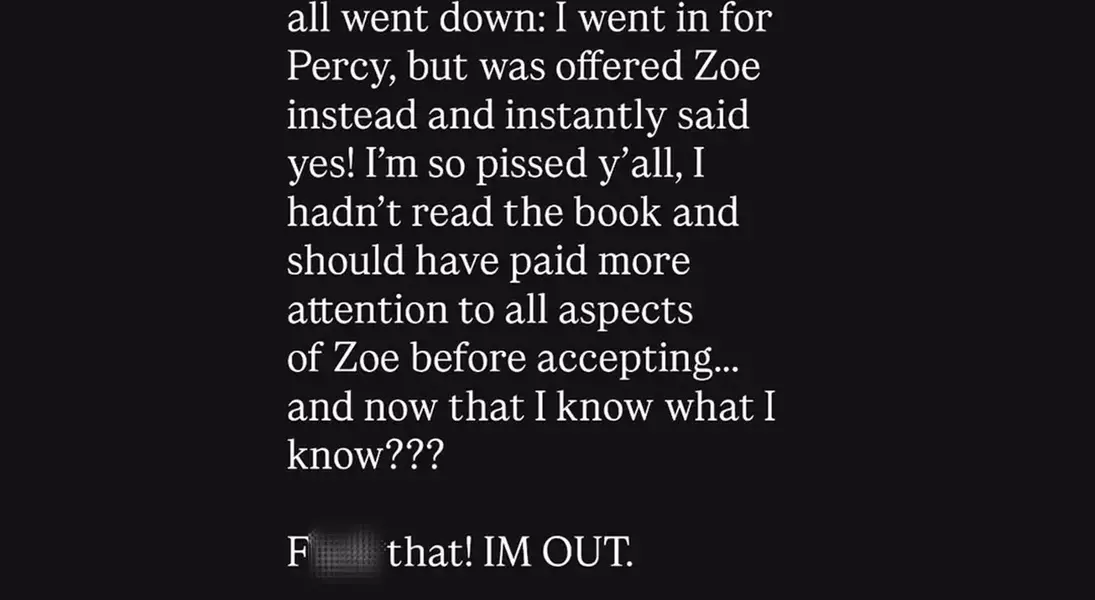
A recent casting decision for the film "Deep Cuts" ignited a firestorm of controversy, raising critical questions about representation in Hollywood. Actress Odessa A'zion, initially cast as Zoe Gutierrez, a character described as half-Jewish and half-Mexican in the source novel, faced intense criticism. While A'zion shares the Jewish background, her lack of Mexican heritage led to widespread accusations of "whitewashing" and calls for more authentic portrayals. This incident prompted a significant response from over 100 Latino creatives, who penned an open letter advocating for greater accountability and equity in casting. Ultimately, A'zion withdrew from the project, emphasizing the importance of diverse and accurate representation on screen.
The "Deep Cuts" Casting Controversy: A Call for Authenticity
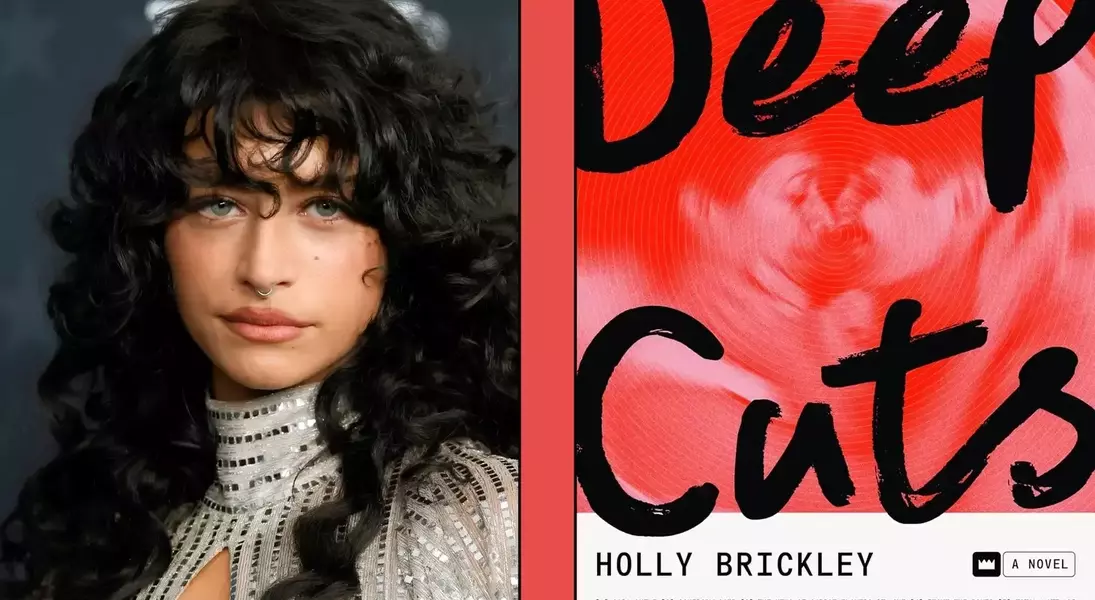
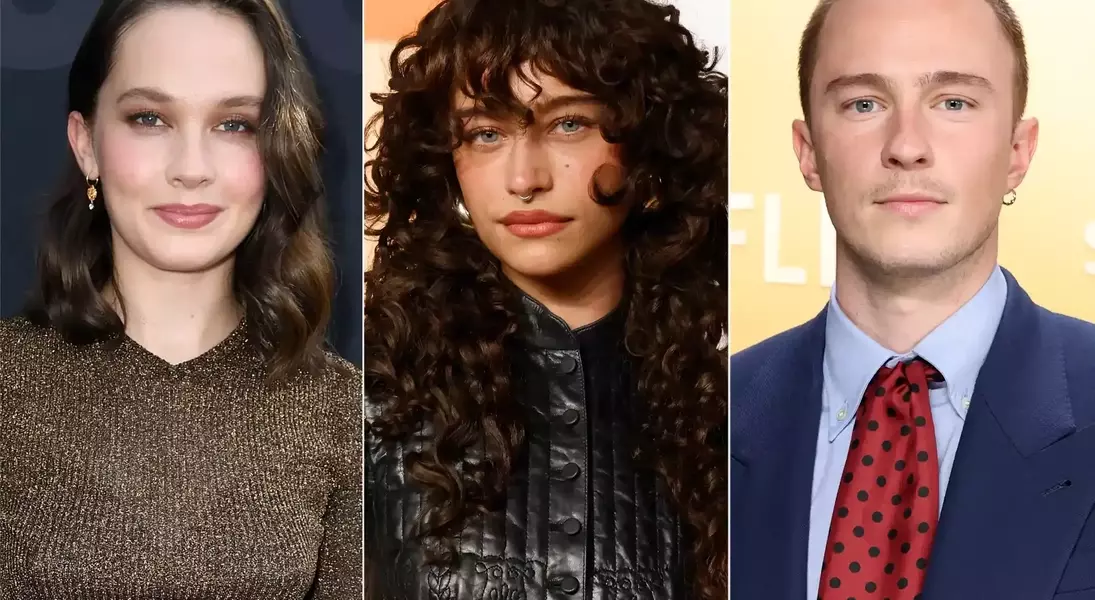
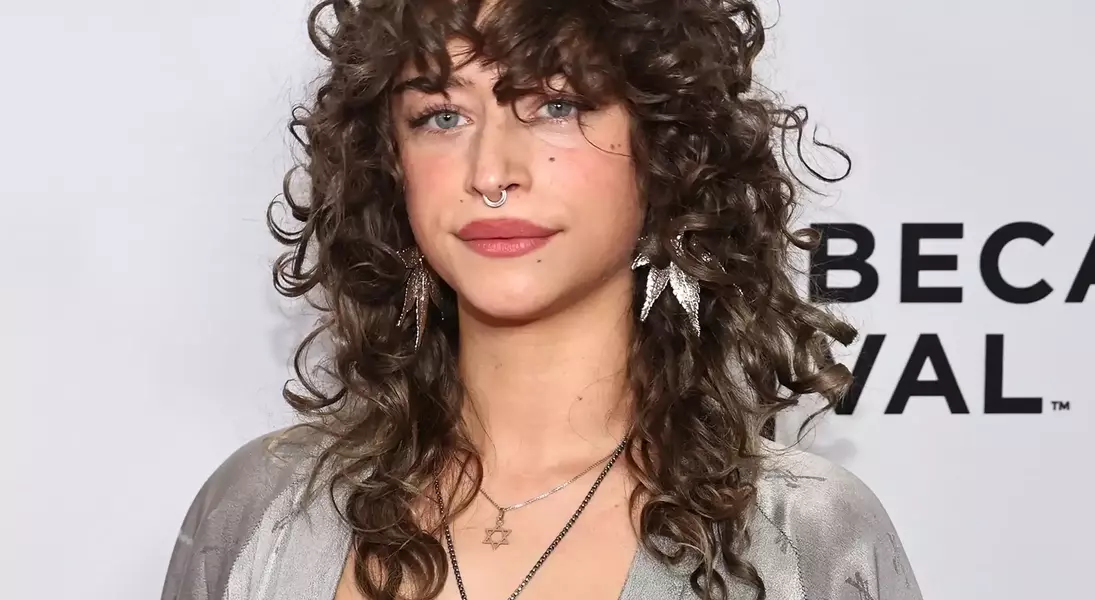
Odessa A'zion's initial involvement in A24's film adaptation of "Deep Cuts" sparked a major public debate regarding authenticity in casting. The core of the controversy revolved around her being cast as Zoe Gutierrez, a character explicitly defined as having both Jewish and Mexican roots in Holly Brickley's original novel. While A'zion's Jewish background was not disputed, her lack of Mexican heritage drew strong condemnation from critics and fans alike. Many argued that such a casting choice constituted "whitewashing," undermining the character's intended identity and reinforcing a long-standing issue of underrepresentation for Latino communities in Hollywood. The backlash underscored a growing demand for roles to be filled by actors who genuinely reflect the ethnic and cultural backgrounds of the characters they portray, ensuring a more nuanced and accurate storytelling experience.
The public outcry following the announcement of A'zion's casting highlighted a deep-seated frustration within the entertainment industry regarding the portrayal of diverse characters. Social media platforms became a hub for discussions, with numerous users expressing their disappointment and labeling the decision as a missed opportunity for genuine representation. Critics argued that failing to cast an actress of Mexican descent for a character with such a specific heritage diminished the authenticity of the role and perpetuated harmful stereotypes by denying deserving Latino talent the opportunity. This sentiment was encapsulated in various online comments, with many asking why it was so challenging to find a Latina actress for the part. The incident served as a stark reminder of the ongoing struggle for equitable representation and the need for Hollywood to actively address systemic biases that lead to such contentious casting choices.
Hollywood's Response and the Push for Equitable Representation
In response to the "Deep Cuts" casting uproar, Odessa A'zion made the decisive move to withdraw from the film, stating her commitment to not take a role from someone better suited to it. Her explanation revealed that she had initially auditioned for a different part and accepted the role of Zoe without fully comprehending the character's complete background from the source material. A'zion expressed regret and a strong desire to ensure that roles are filled by individuals who can authentically embody the characters' identities. Her decision to step down was met with appreciation from many who saw it as a commendable act of allyship and a step towards fostering more inclusive practices in the industry, even as some continued to question how such a misstep occurred in the first place.
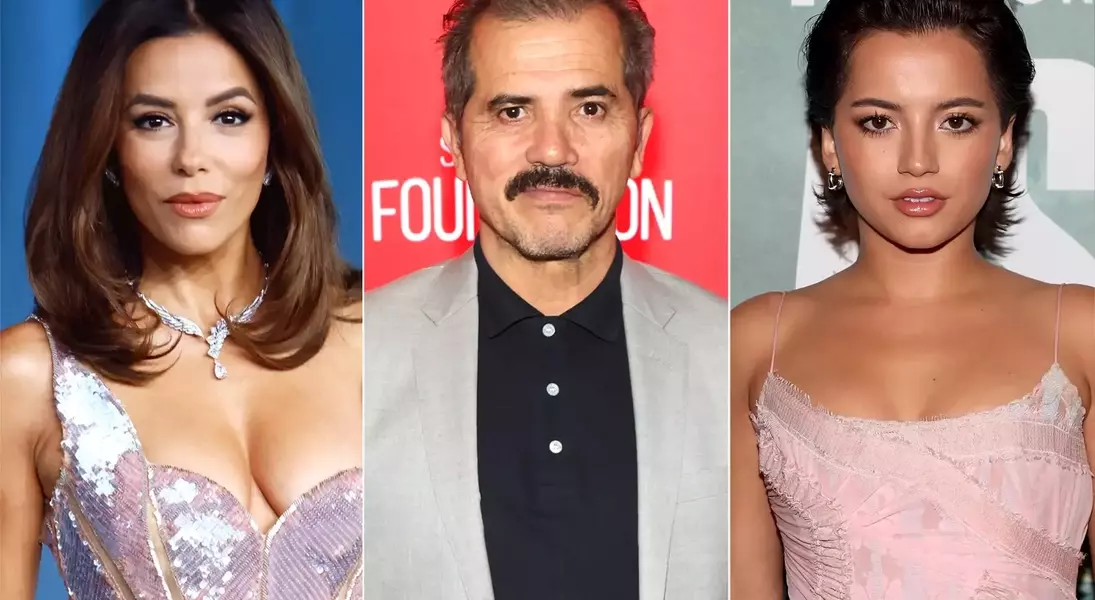
The controversy extended beyond A'zion's individual decision, catalyzing a broader movement within the Latino creative community. Just a day after A'zion's exit, a powerful open letter signed by over 100 prominent Latino figures, including Eva Longoria, John Leguizamo, and Isabela Merced, was addressed to Hollywood. This letter served as a collective demand for increased accountability, intentionality, and equity in all aspects of film production, particularly casting and storytelling. It emphasized that the "Deep Cuts" incident was symptomatic of a larger systemic problem, where Latino talent is often overlooked or misrepresented. The letter passionately argued that casting decisions profoundly impact cultural narratives and stressed the importance of allowing Latino artists to tell their own stories with the authenticity and depth they deserve, thereby combating the continuous erasure of their community from mainstream media.
