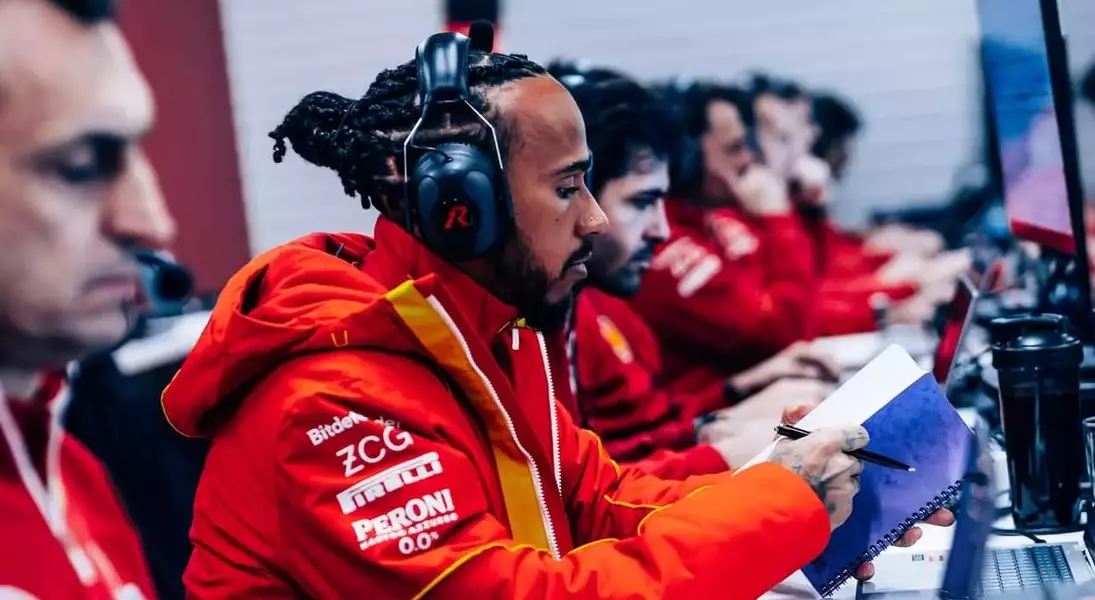
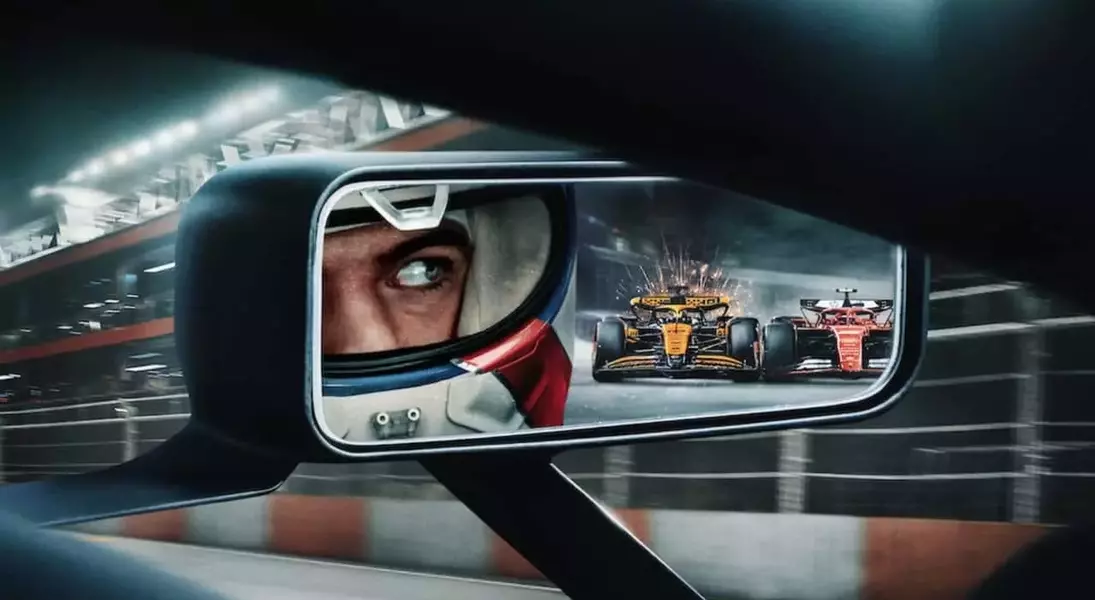
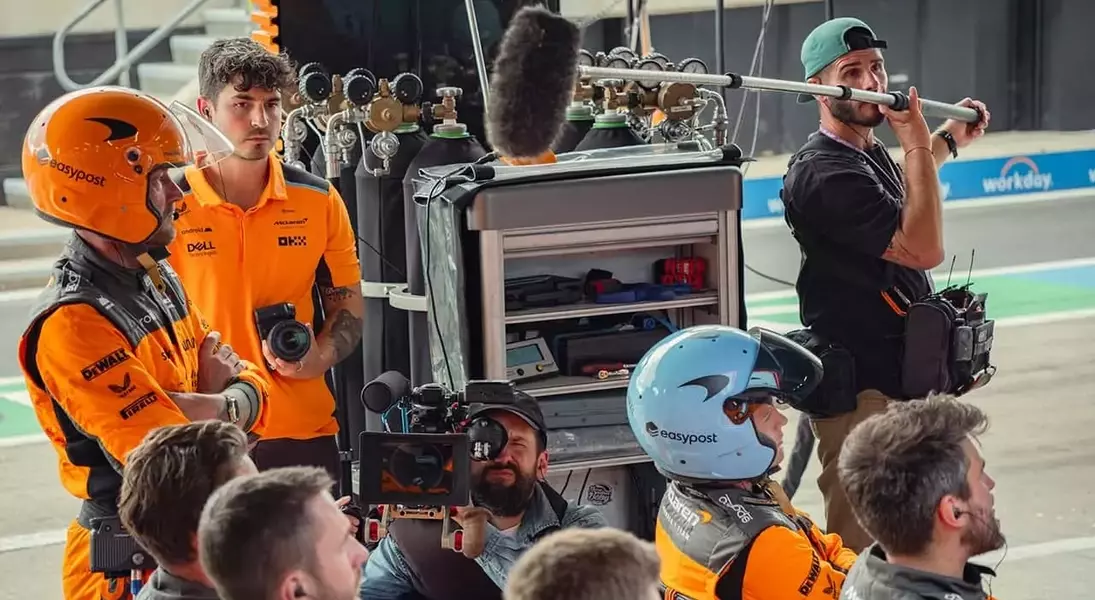


Netflix's 'Drive to Survive' stands as a marketing triumph for Formula 1, dramatically expanding its global audience, particularly in the United States. A 2025 analysis by Motorsport.com revealed that 16% of new F1 fans over the past five years were drawn in by the docuseries, captivated by driver personalities and perceived rivalries. Yet, this dramatic portrayal often veers from the sport's authentic nature, a point of contention for seasoned F1 followers. The show frequently employs editing techniques to amplify narratives, creating a heightened reality that can mislead newcomers into believing every on-track interaction is a high-stakes confrontation.
The series' creative liberties extend to several key areas. Producers are known to piece together radio messages from different events to construct specific story arcs, despite drivers like Max Verstappen publicly criticizing this practice for misrepresenting their emotions and experiences. Furthermore, 'Drive to Survive' has been accused of inventing rivalries between teammates who, in reality, share strong bonds, turning camaraderie into manufactured conflict. The sound design is another aspect where dramatic enhancement takes precedence over accuracy; tire screeches, gear shifts, and crowd noise are often exaggerated or inserted to intensify the viewing experience, deviating from the actual sounds of modern hybrid F1 cars.
Beyond these technical manipulations, the series also crafts an impression of relentless, wheel-to-wheel combat in every race, implying drivers are constantly pushing to their absolute limit. In truth, many races involve strategic fuel and tire management, leading to less overtly aggressive driving than depicted. This creates a disconnect between the show's dramatic narrative and the nuanced reality of Formula 1. For devoted fans, this manufactured intensity can diminish the appreciation for the sport's subtle complexities, such as behind-the-scenes technological advancements, intricate race strategies, and the profound mental resilience required from drivers. While 'Drive to Survive' has undeniably elevated F1's profile, viewers should approach it with an awareness that the narratives are often carefully constructed for entertainment, rather than being a pure reflection of the sport's unvarnished truth.
Ultimately, 'Drive to Survive' serves as a powerful example of how compelling storytelling can captivate and expand an audience. Its success underscores the human desire for drama and personality-driven narratives, even within the highly technical world of motorsport. While it's crucial to acknowledge the creative liberties taken, the series has successfully cultivated a new generation of fans who might otherwise have never discovered the thrill of Formula 1. This expansion of F1's reach is a positive outcome, demonstrating that engaging content can unlock new passions and create vibrant communities. The show encourages us to appreciate the power of narrative while also reminding us to seek out and understand the deeper, often less obvious, layers of reality that make any endeavor truly rich and meaningful. It highlights that entertainment can be a gateway to deeper understanding, provided we maintain a curious and discerning perspective.
