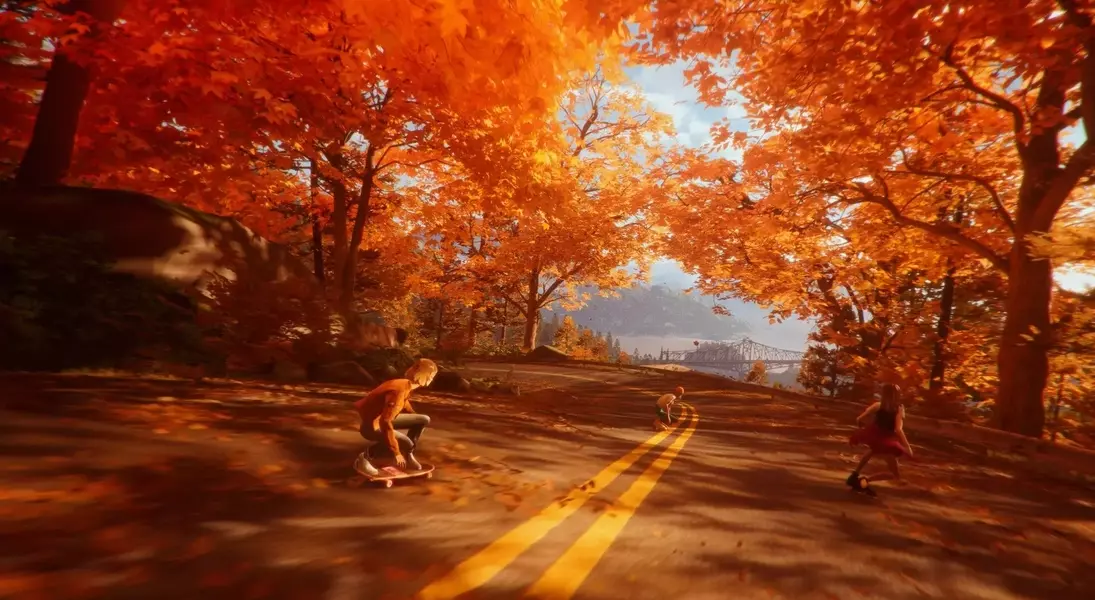
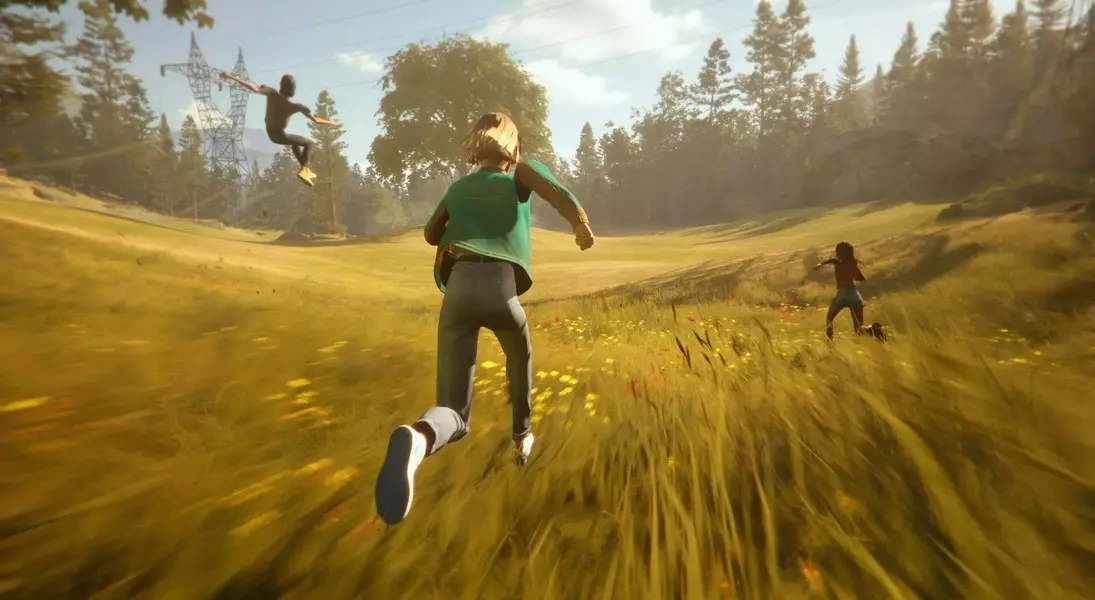
Although Mixtape has garnered significant praise, its portrayal of adolescent life and its specific temporal setting raise questions. The game intentionally avoids explicitly stating its time period, instead offering a blend of cultural references that hint at the 1990s. This deliberate ambiguity, while aiming for a universal appeal, sometimes creates an inconsistent historical backdrop, leading players to ponder the true era it depicts.
A closer look at the game's elements suggests 1995 as the most plausible setting, with many musical selections preceding this year, including a pivotal Portishead album from 1994 and a Montell Jordan track released in 1995. These details, combined with the focus on skater culture and a VHS rental store scene, firmly ground the narrative in the mid-nineties. However, the game also draws heavily from 1980s cinema, particularly John Hughes' films, and features anachronistic dialogue that doesn't align with either decade. This stylistic fusion, while perhaps intended to broaden its reach, may inadvertently dilute its historical authenticity, making it less of a period piece and more of a nostalgic pastiche.
Ultimately, Mixtape attempts to transcend a specific generation, aiming for a universally relatable tale of youth, angst, and the desire for escape. While some elements resonate across different experiences, the game's anachronisms and broad strokes in depicting 90s suburbia prevent it from fully capturing the nuanced realities of a particular generation. However, by focusing on the core emotional journey of its protagonist, Stacey, who grapples with the bittersweet process of leaving home and the people she cares about, the game manages to evoke genuine heartache that transcends specific eras or cultural backgrounds. It's a testament to the power of human connection and the universal longing for belonging and self-discovery, regardless of when or where one comes of age.
