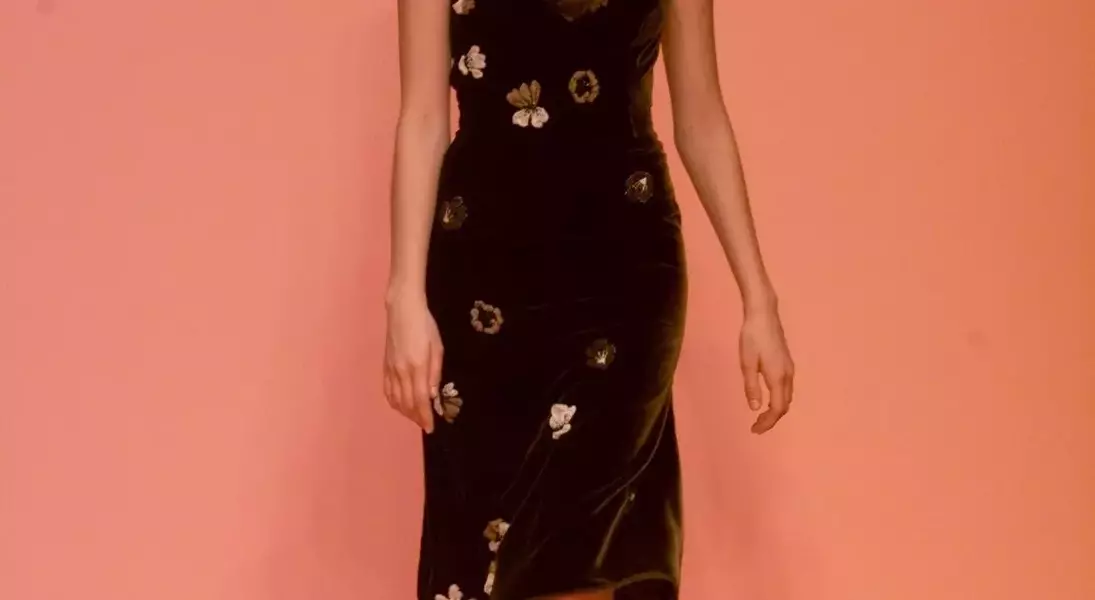
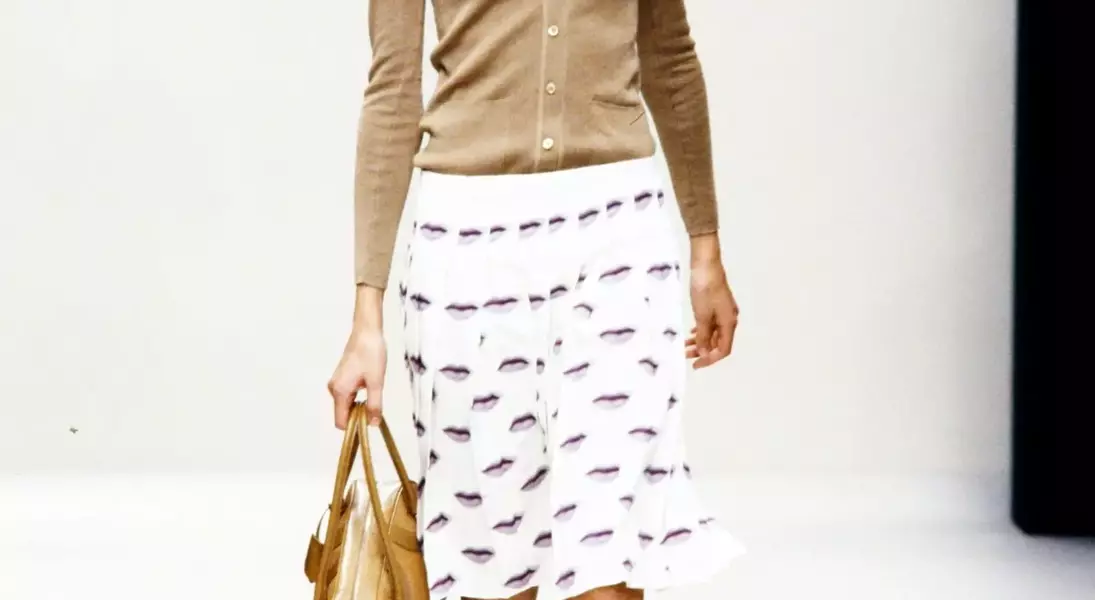
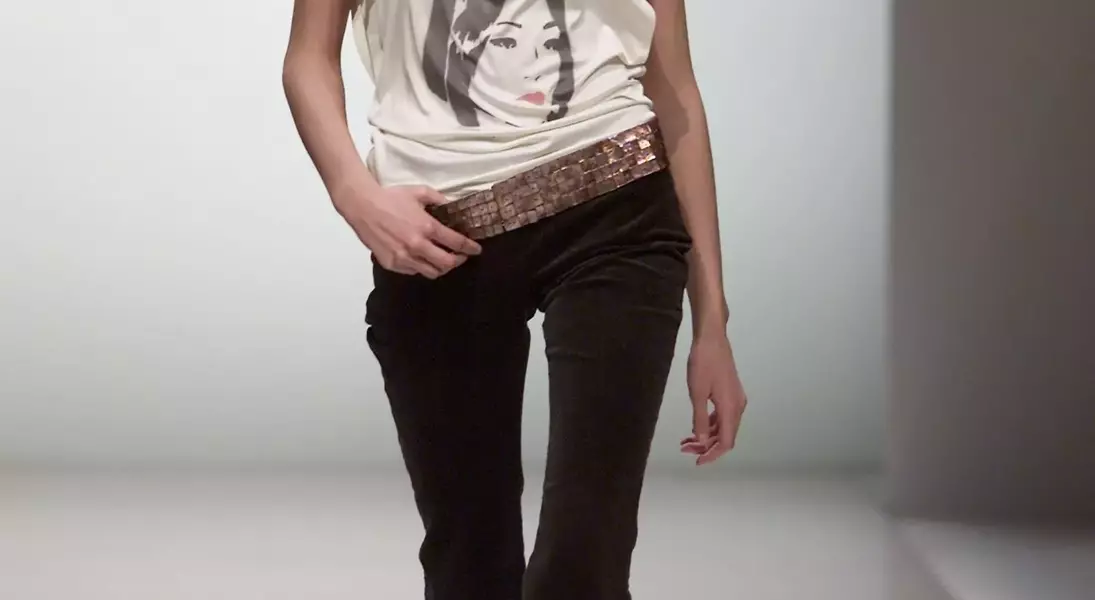
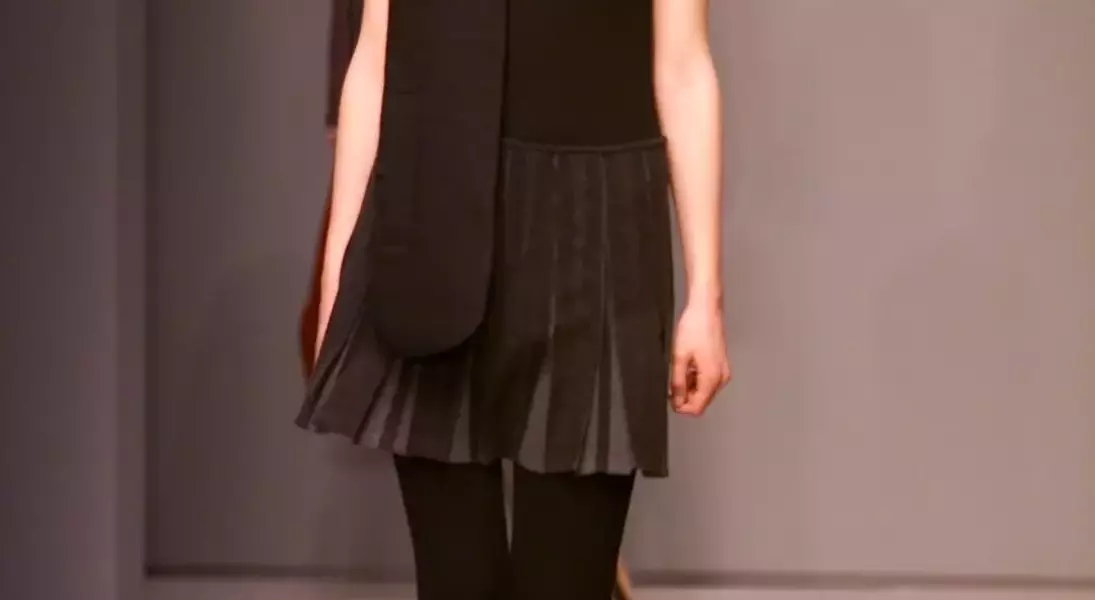
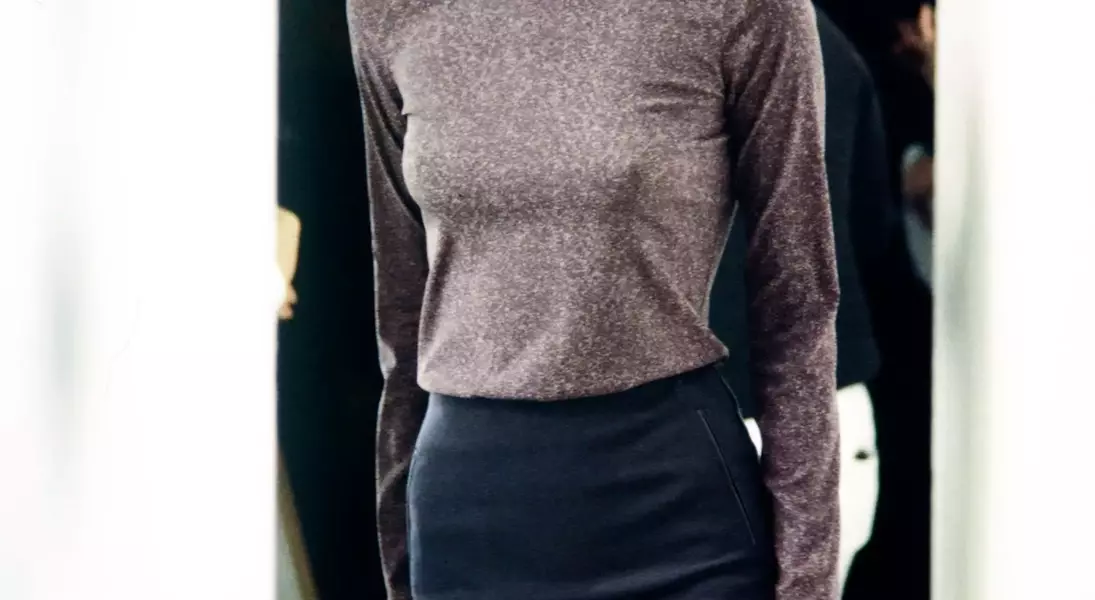
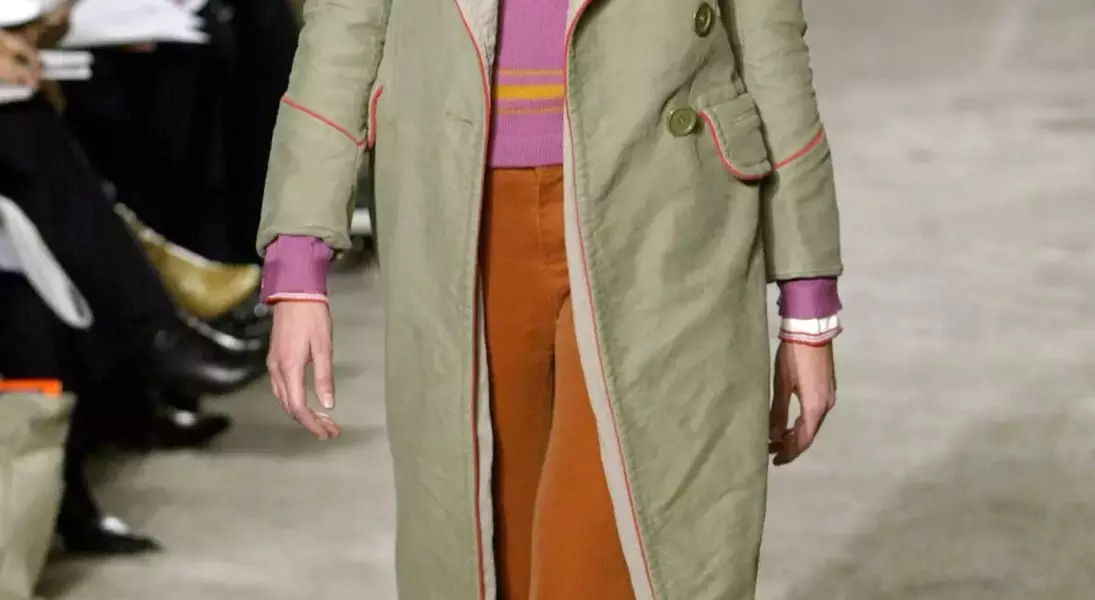
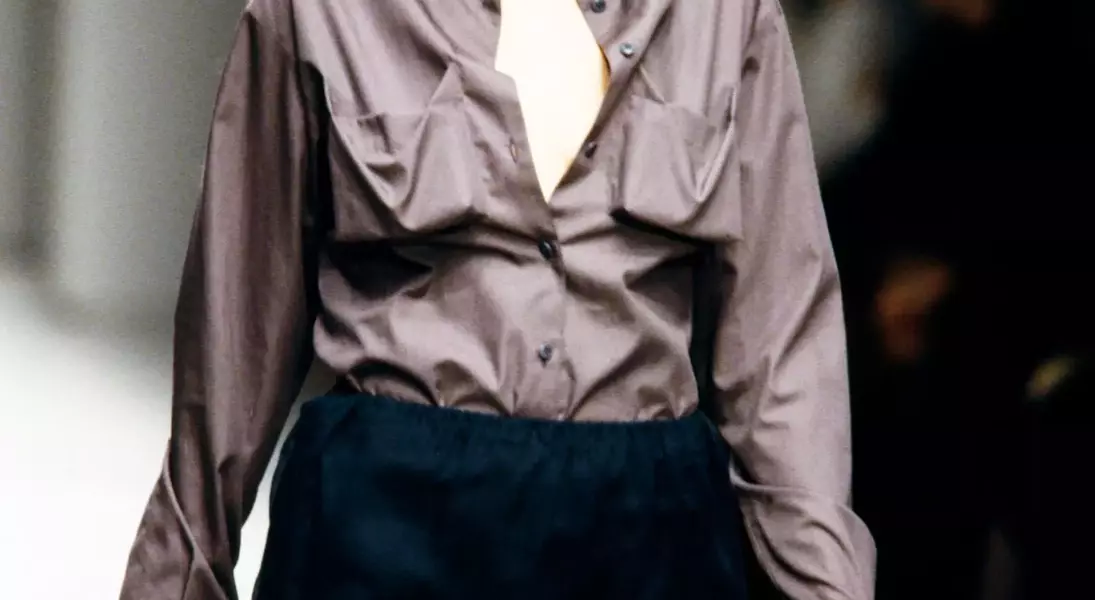
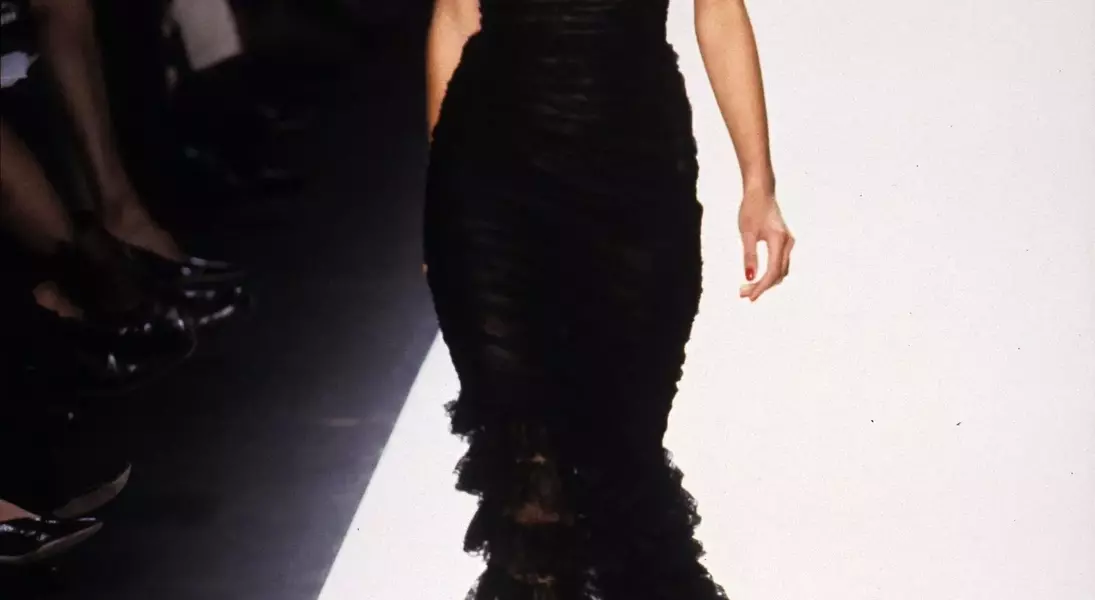
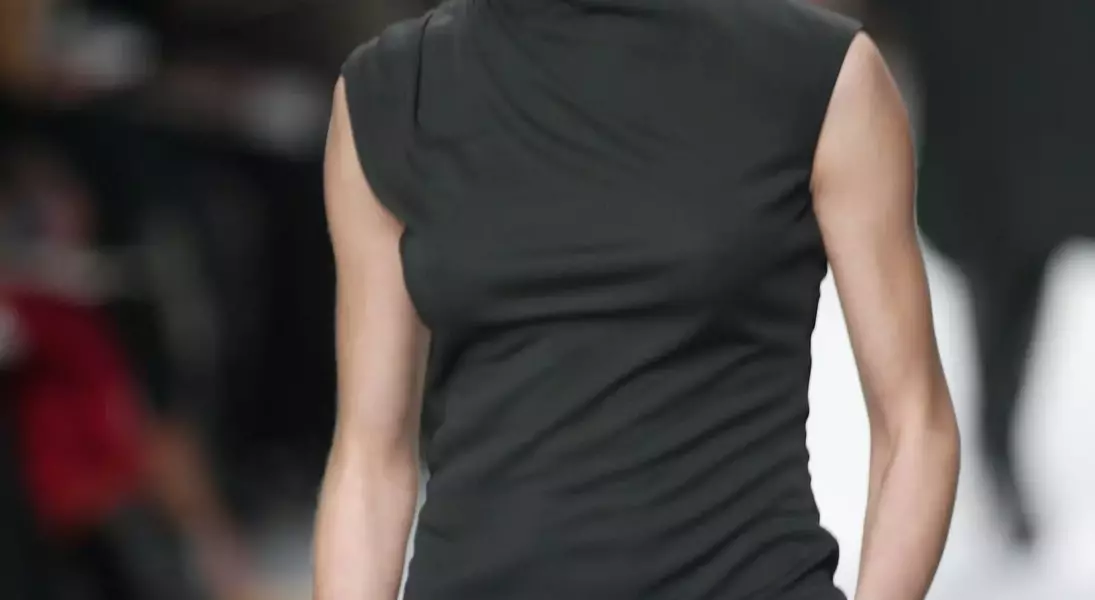
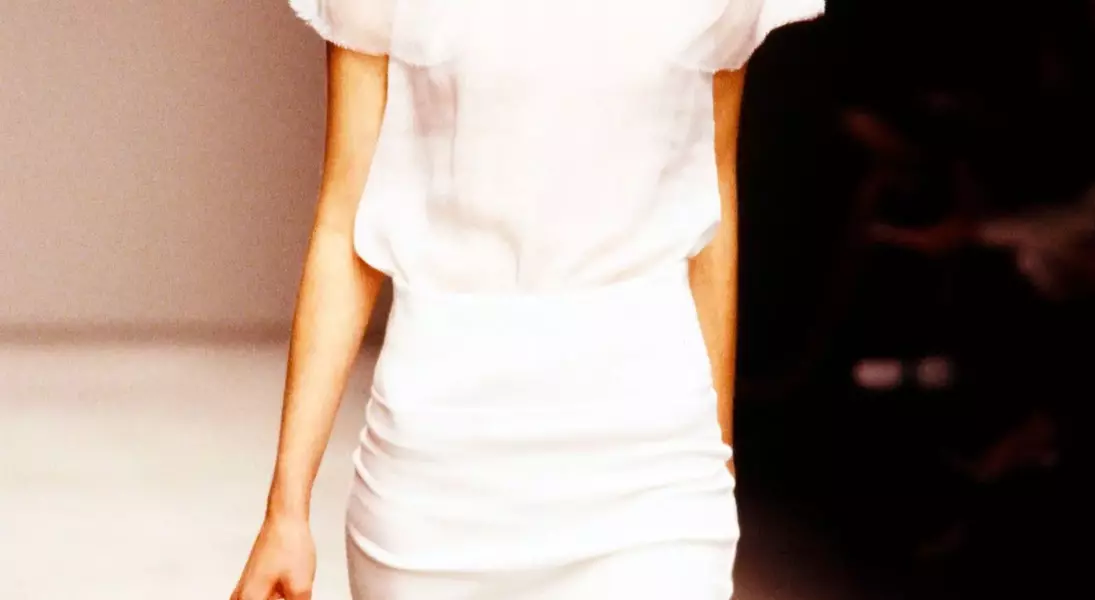
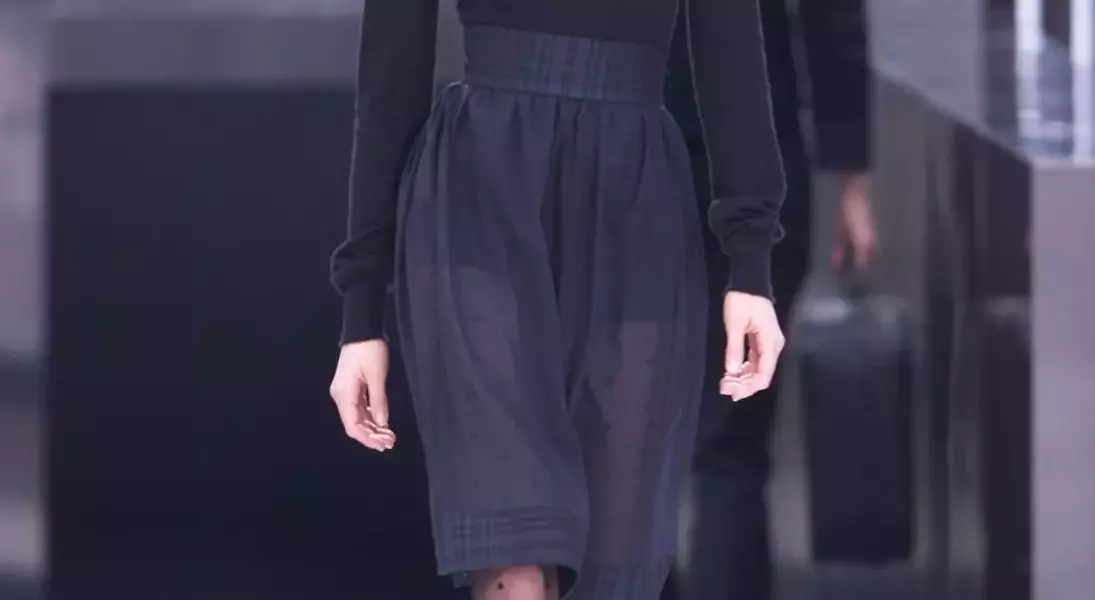
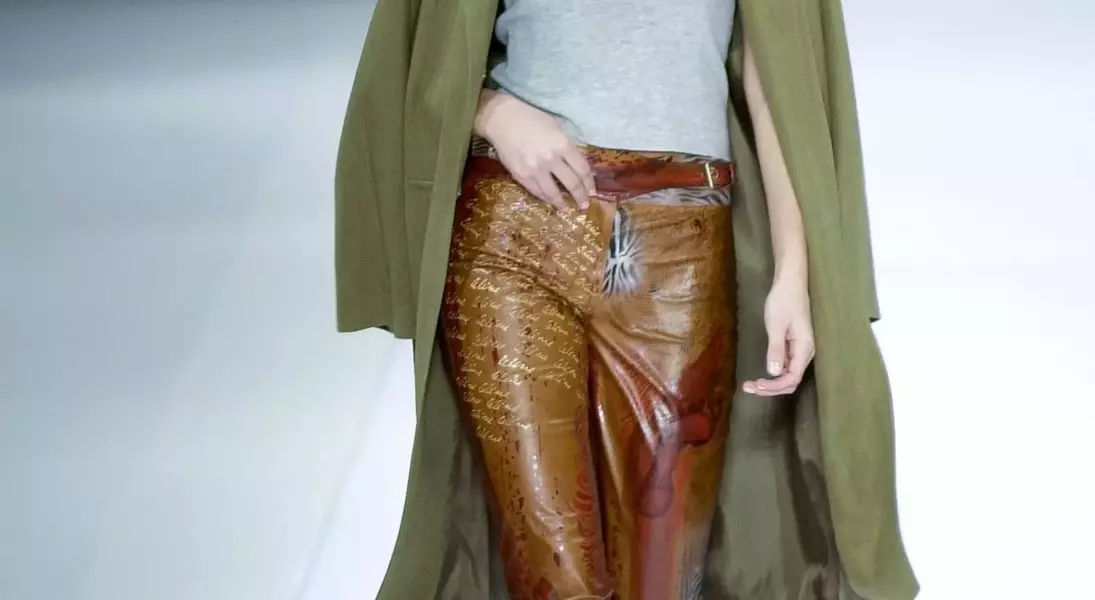
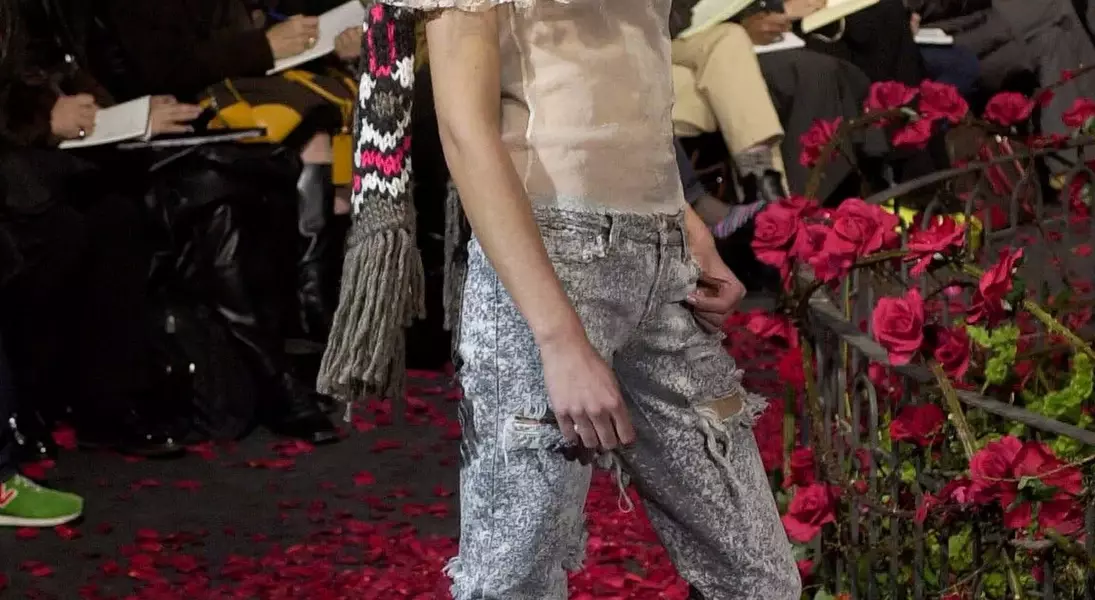
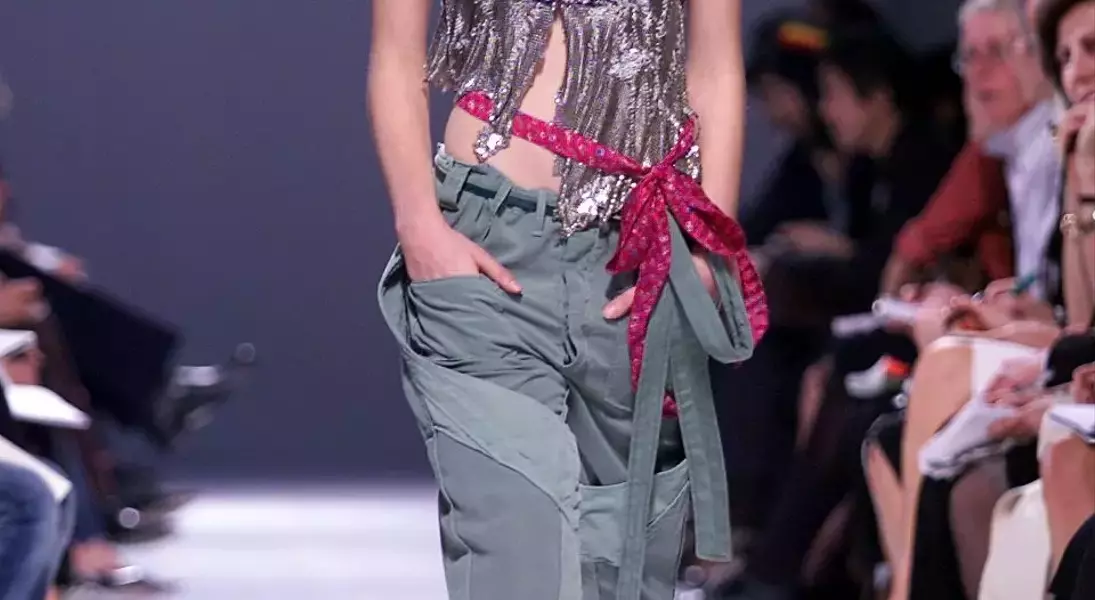
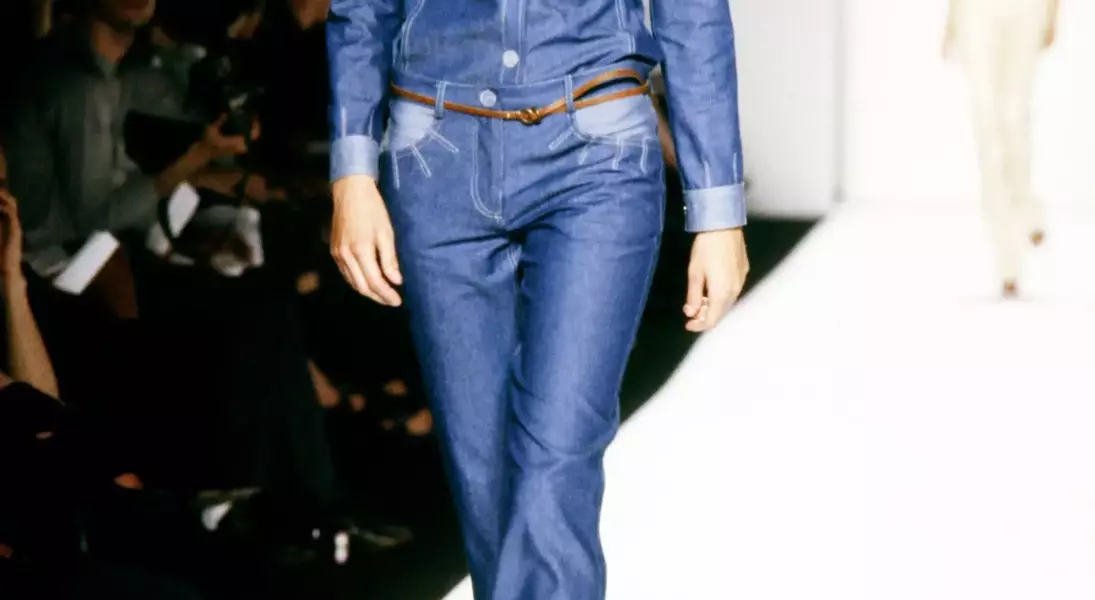
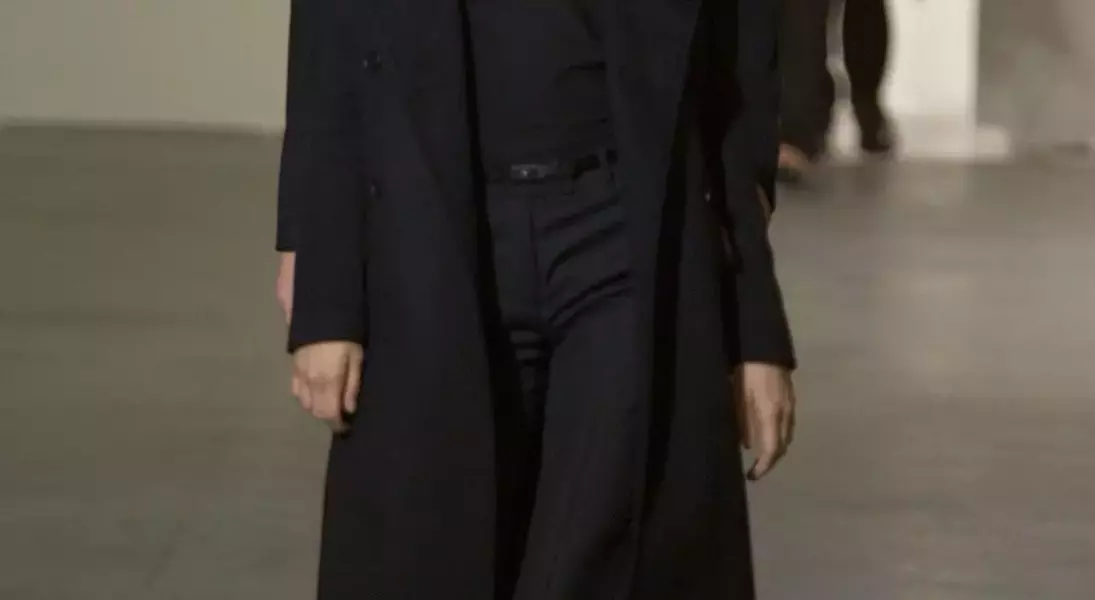
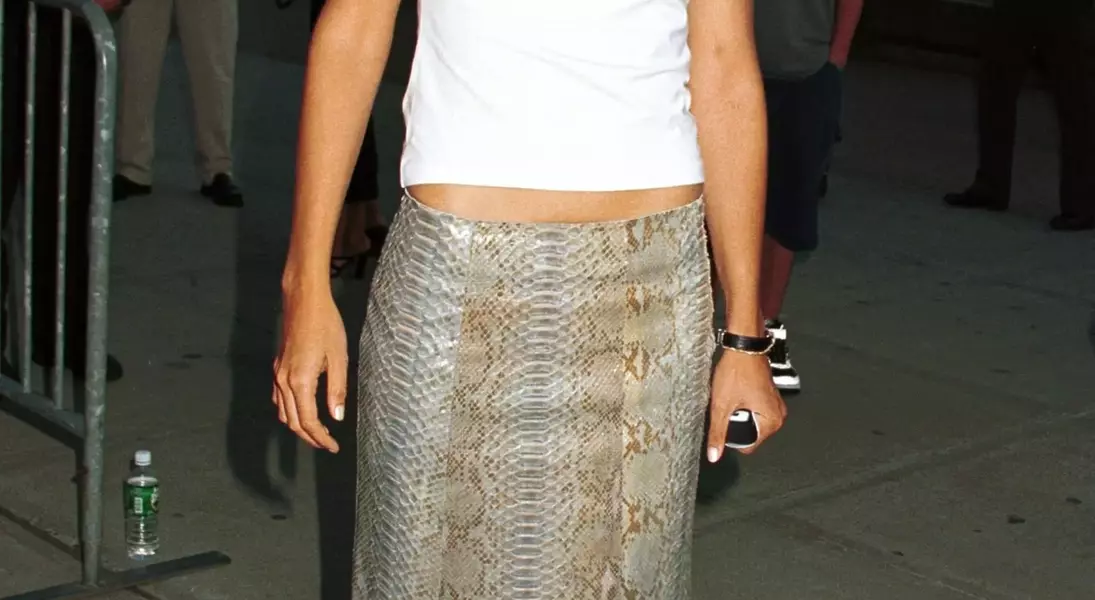
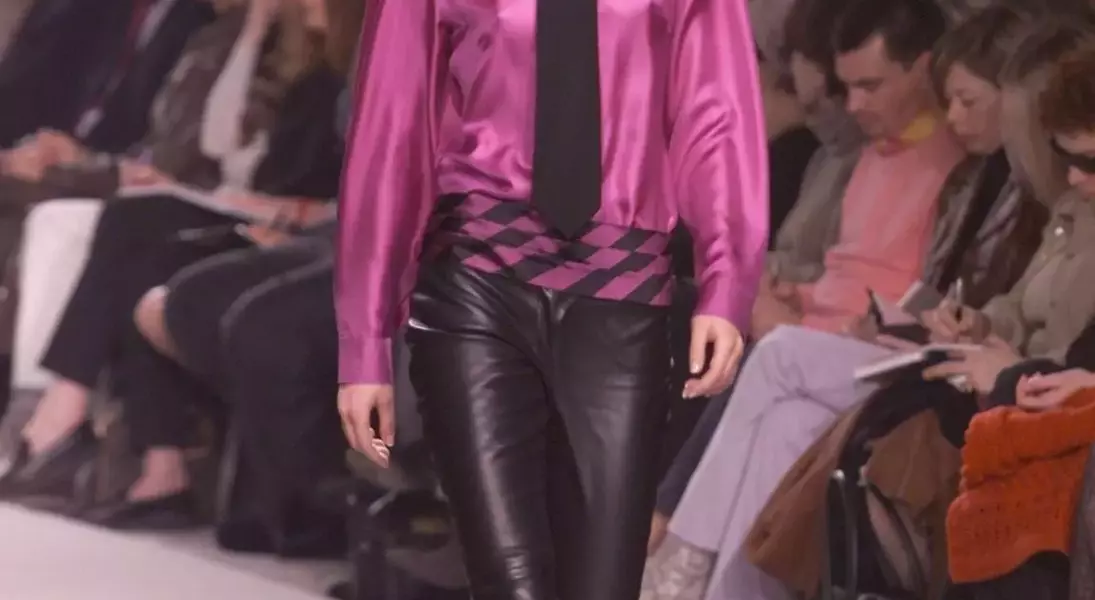
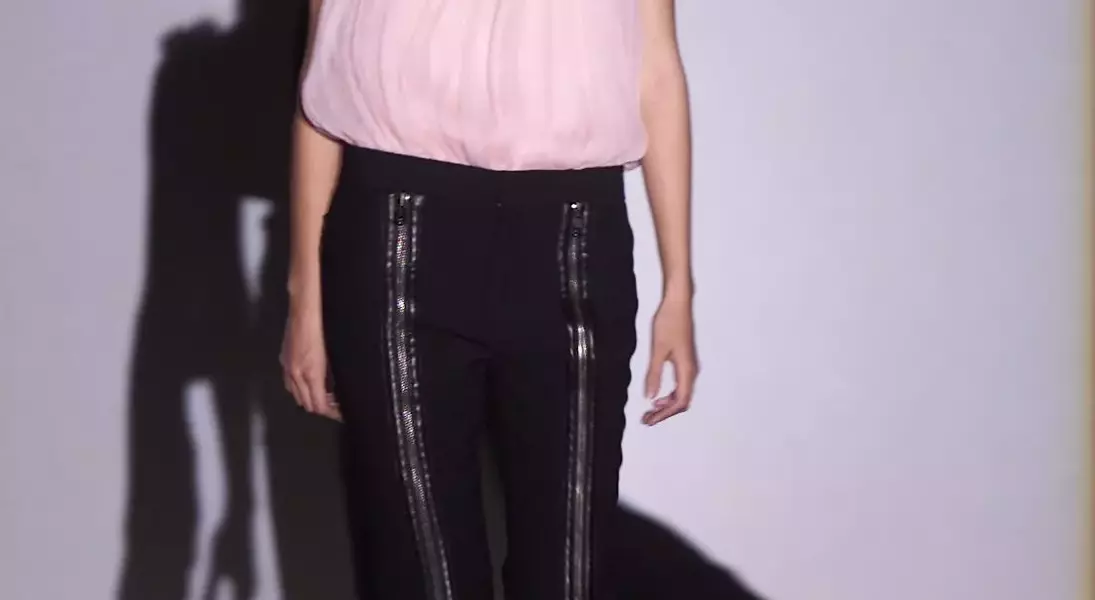
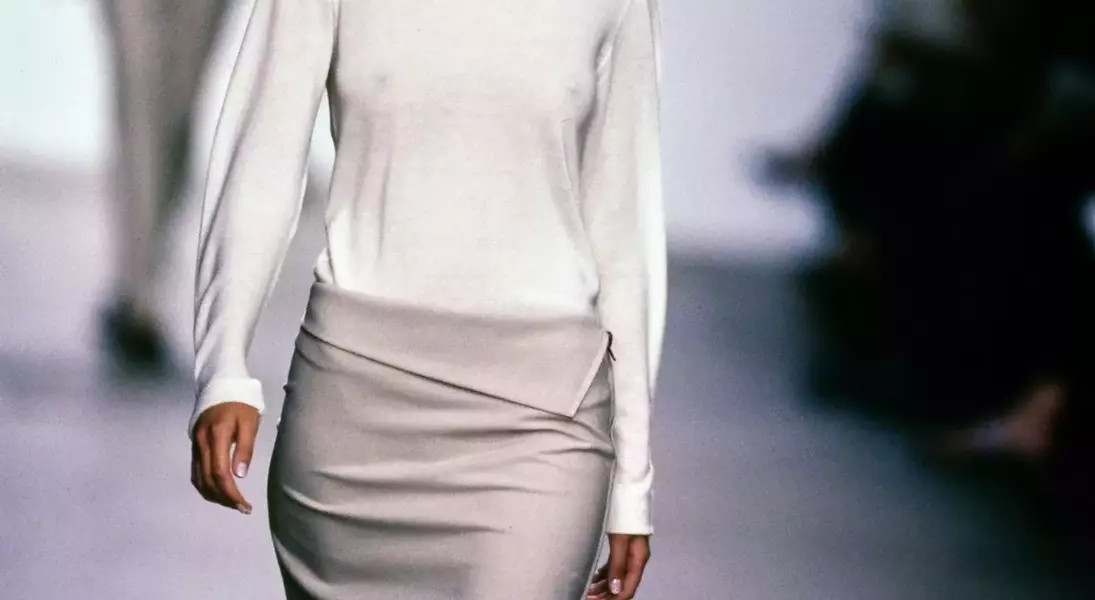
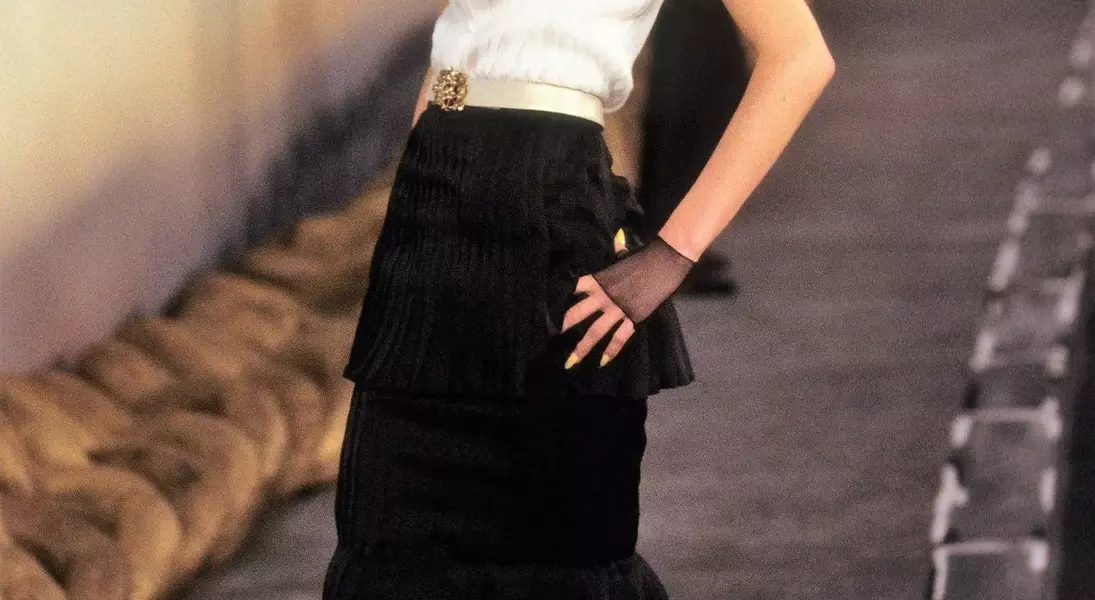
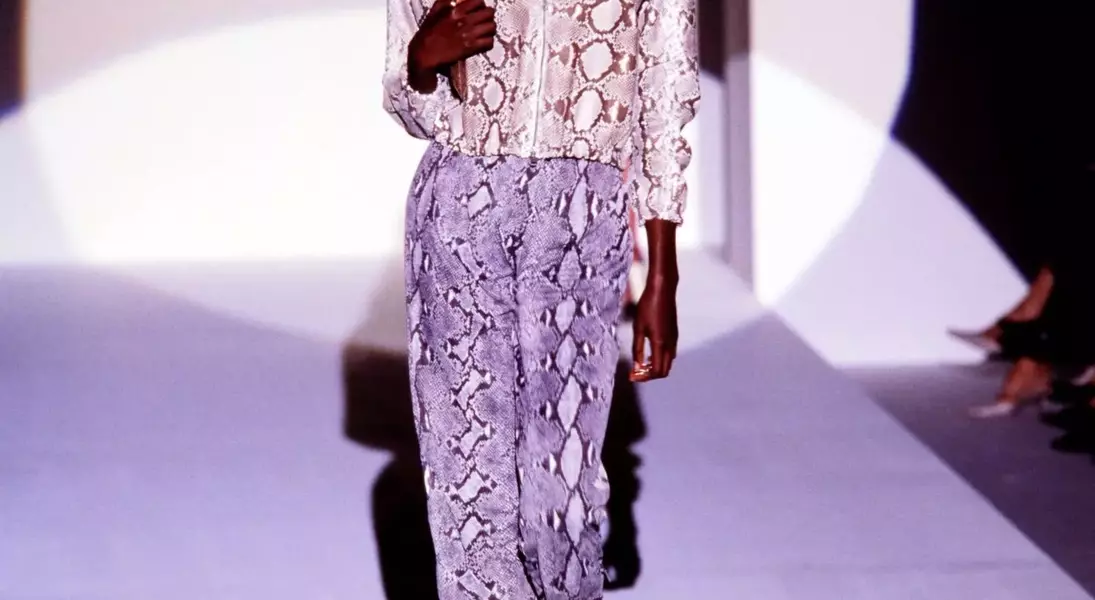
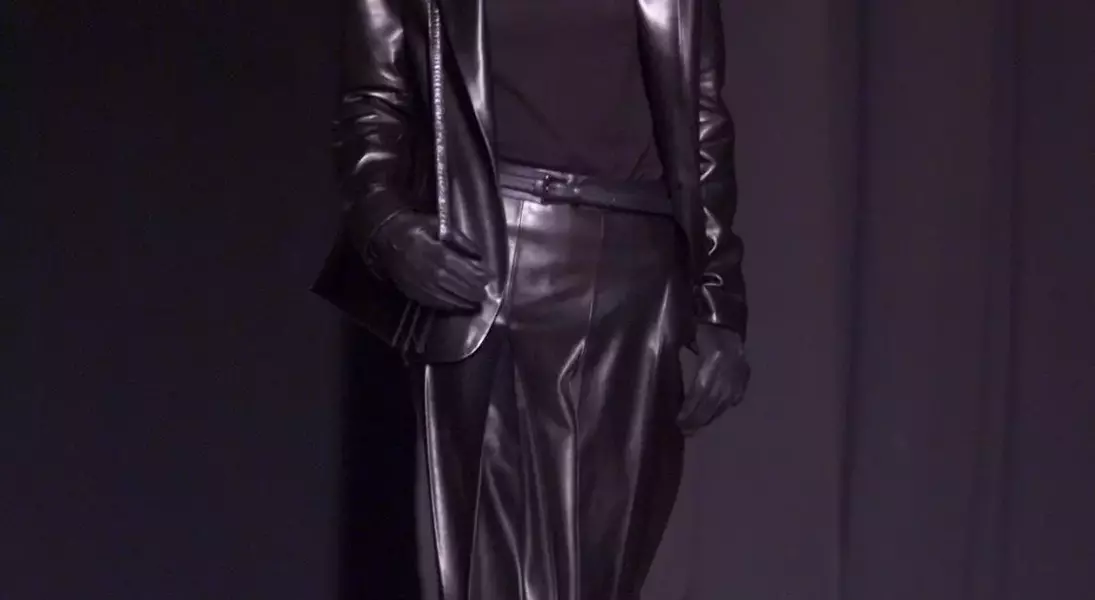
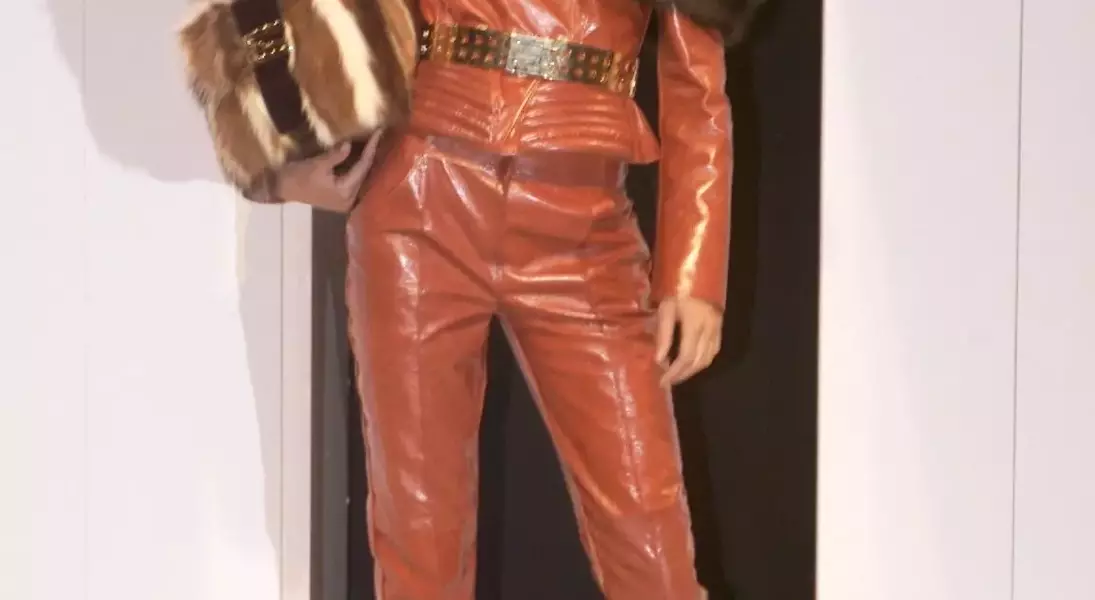
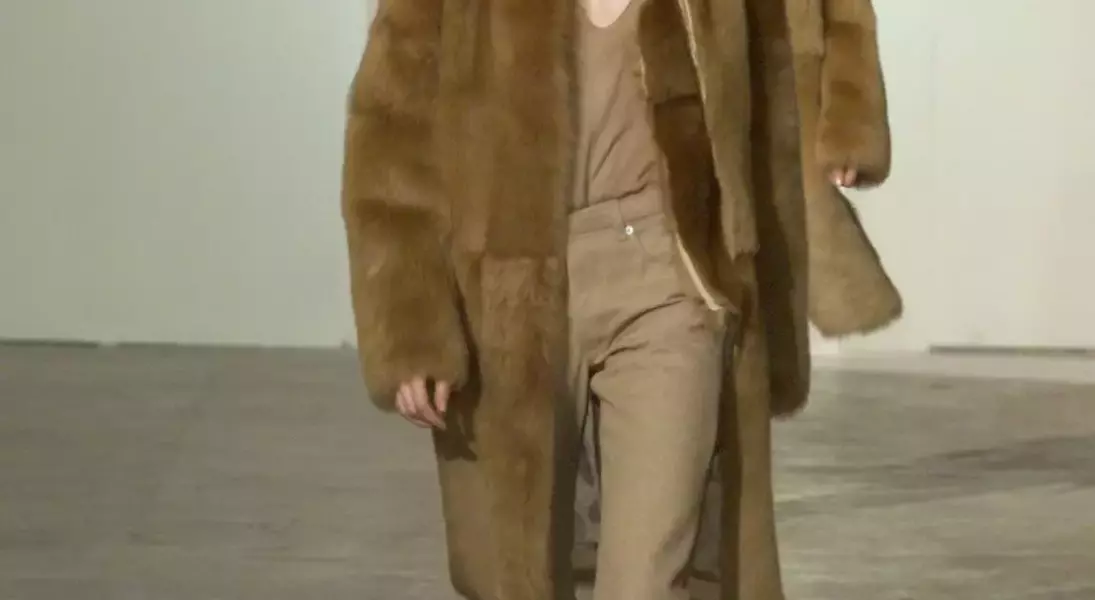
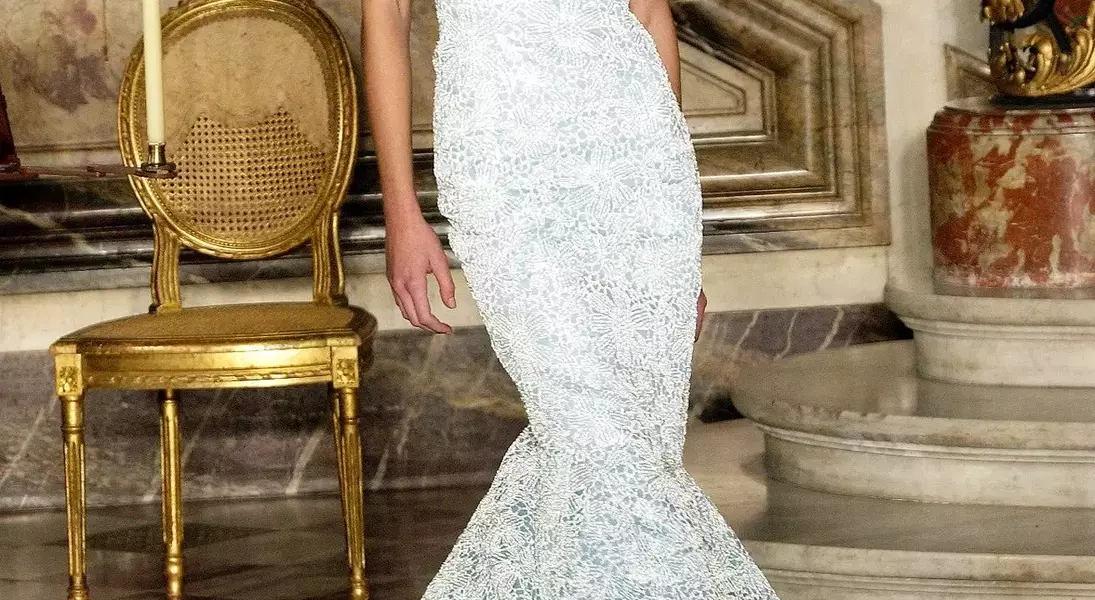
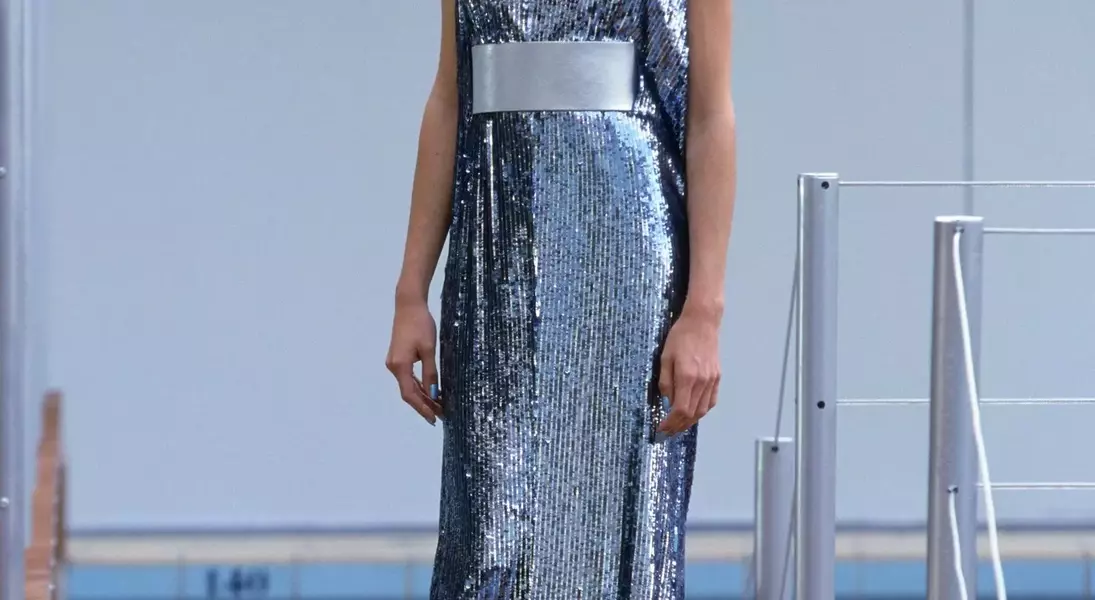
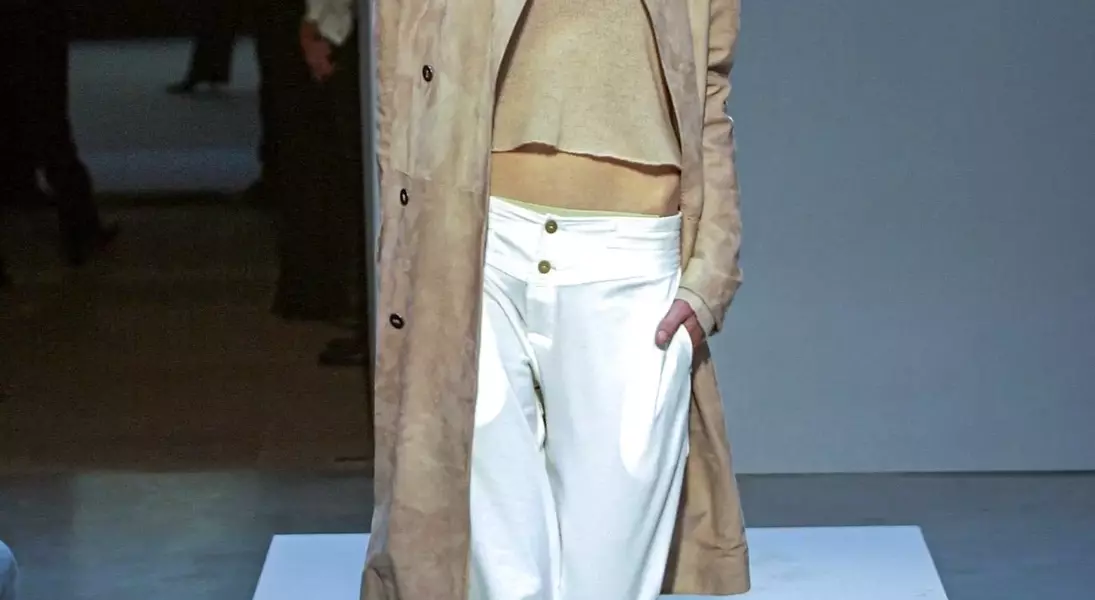
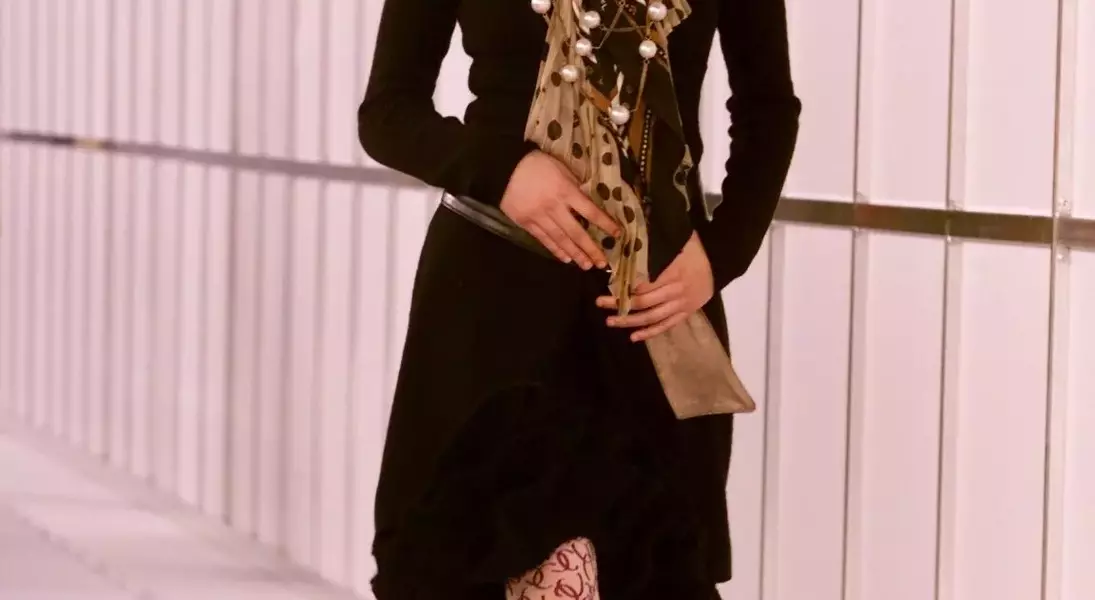
This analysis delves into the sartorial narrative of Lauren Weisberger's "The Devil Wears Prada," contrasting the initial anti-fashion stance of protagonist Andy Sachs with the evolving, brand-conscious world of Runway magazine. It meticulously examines the clothing descriptions within the novel, juxtaposing them with actual runway designs from the early 2000s to illustrate the era's prevalent Y2K aesthetic. The article highlights how clothing acts as a crucial indicator of status and personal taste for characters like Andy, Emily Charlton, and the formidable Miranda Priestly, whose wardrobes are meticulously detailed. From luxurious designer pieces to more accessible indie labels, the text offers a comprehensive look at the fashion landscape that shaped the story and its characters.
The piece also reflects on the cultural impact of "The Devil Wears Prada," using its detailed fashion references to revisit a pivotal period in fashion history. It explores themes of body image, career ambition, and personal transformation through the lens of style, showing how Andy's journey from disdain to appreciation for fashion mirrors her professional and personal growth. By dissecting the distinct fashion choices of each character, the article provides insights into the societal values and aesthetic trends of the time, making a compelling case for the novel's enduring relevance as a fashion chronicle.
The Style Evolution of Andrea Sachs
Andrea Sachs, initially indifferent to the glamorous world of fashion, undergoes a remarkable transformation during her tenure at Runway magazine. Her initial wardrobe, characterized by utilitarian and uninspired pieces, gradually gives way to a more polished and brand-conscious style. This shift is not merely superficial but reflects her growing understanding and eventual immersion into the high-stakes environment of the fashion industry. The narrative meticulously details her acquisition of designer items, from Prada skirts and boots to Gucci pants and Marc Jacobs jeans, showcasing a blend of high fashion and trendy secondary lines that defined the early 2000s.
Andy's evolving style is a central theme, illustrating how fashion becomes a tool for assimilation and self-expression within her demanding career. Her wardrobe, a mix of prestigious labels and popular indie brands, highlights the pragmatic yet aspirational approach to dressing prevalent among young professionals in the fashion world of that era. The descriptions of her outfits, including tailored Joseph pants, Calvin Klein turtlenecks, and Katayone Adeli blazers, paint a vivid picture of her adaptation to the rigorous demands of her role and the expectations of her formidable boss, Miranda Priestly. This transition underscores the novel's broader commentary on identity, ambition, and the transformative power of personal style.
The Distinct Wardrobes of Runway's Elite
The fashion choices of Emily Charlton and Miranda Priestly serve as defining elements of their characters within "The Devil Wears Prada," each reflecting their personalities and positions within the cutthroat world of Runway magazine. Emily, with her sharp wit and aspiration for professional advancement, embodies the trendy, brand-savvy assistant who meticulously combines high-end accessories like Louis Vuitton keychains and Gucci totes with fashionable staples such as Seven cords and leather blazers. Her dedication to staying current with fashion, even in everyday office wear, underscores her commitment to the industry's unspoken rules and her desire to impress.
Miranda Priestly, the formidable editor-in-chief, epitomizes a world of unparalleled luxury and exacting standards. Her wardrobe is a curated collection of couture pieces from esteemed designers such as Chanel, Givenchy, and Roberto Cavalli. Miranda's outfits, ranging from elegant Chanel suits with fur trim to silk blouses and cashmere skirts, are not just clothes but symbols of her immense power and influence. The narrative meticulously details her process of selecting entire season's wardrobes directly from runway look-books, showcasing an opulent lifestyle where fashion is an art form dictated by her impeccable, albeit demanding, taste. The distinct styles of Emily and Miranda highlight the hierarchical and aspirational dynamics of the fashion industry, where clothing is a powerful statement of identity and status.
