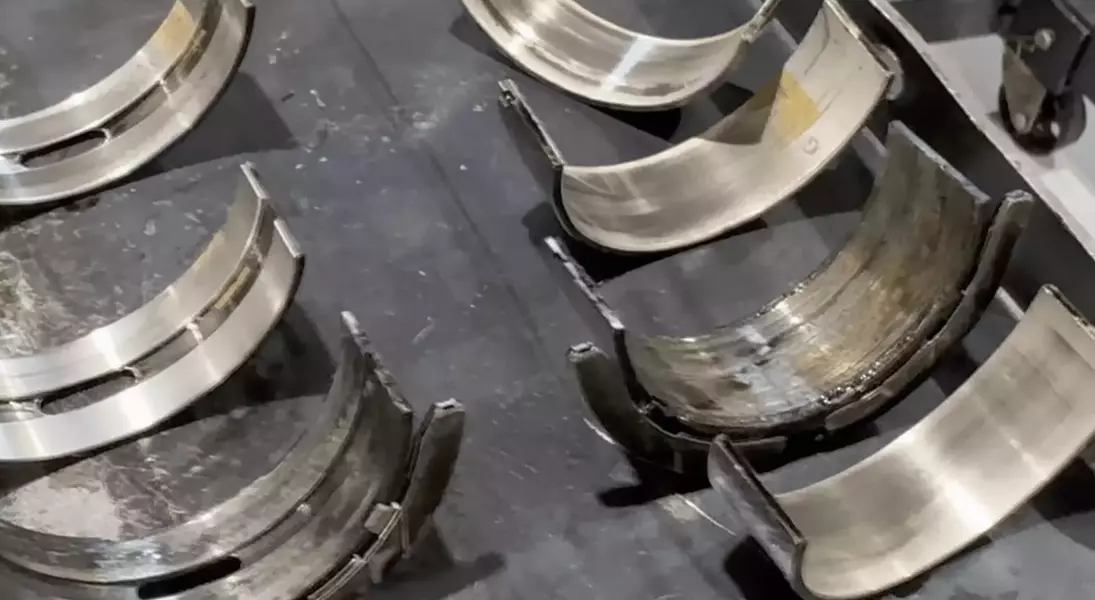
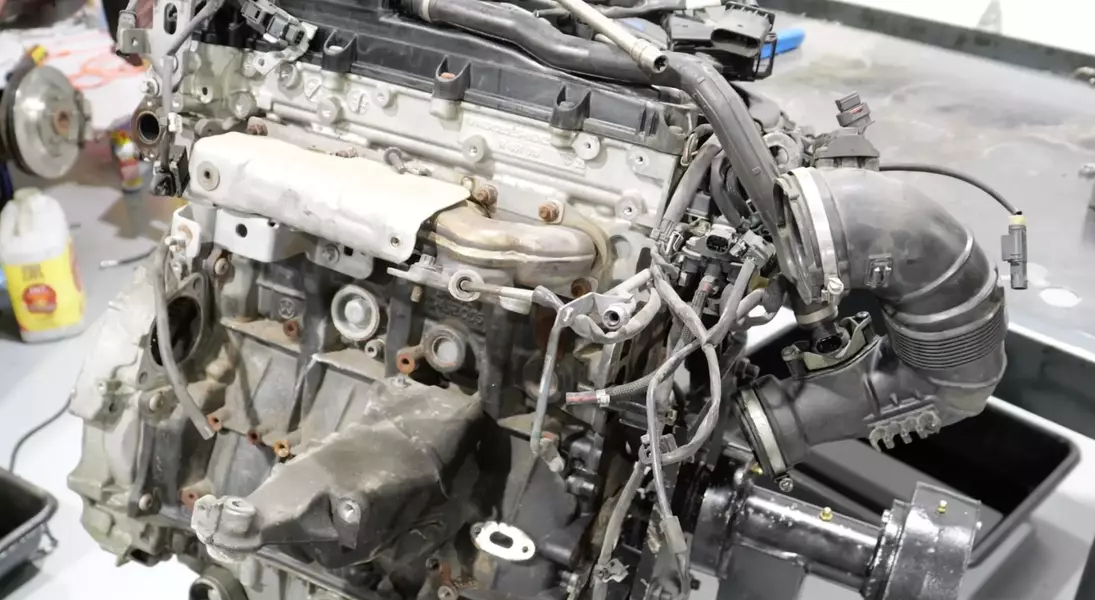
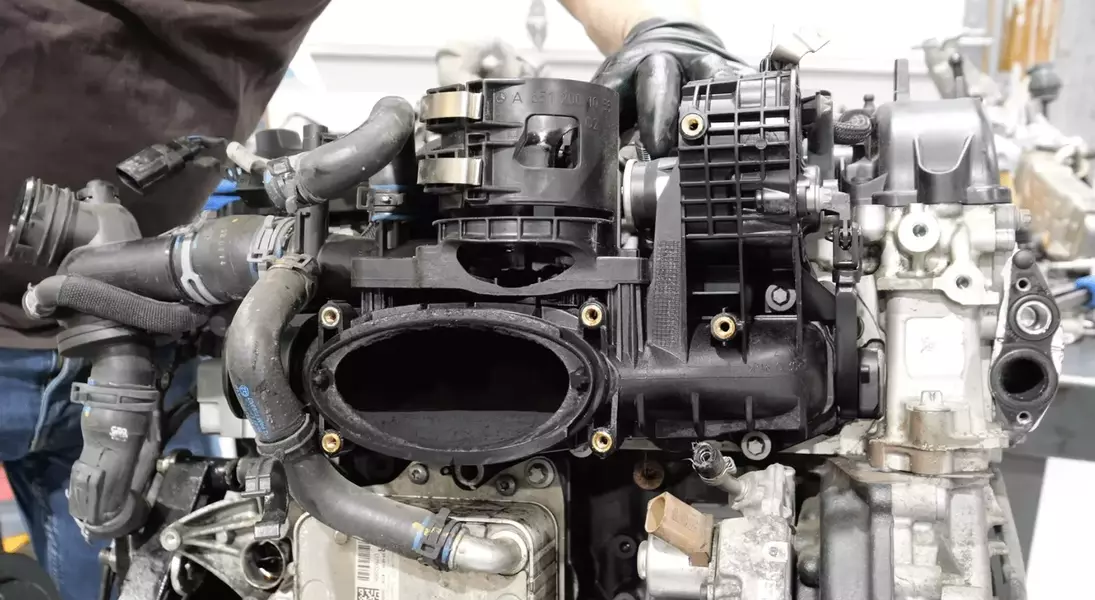
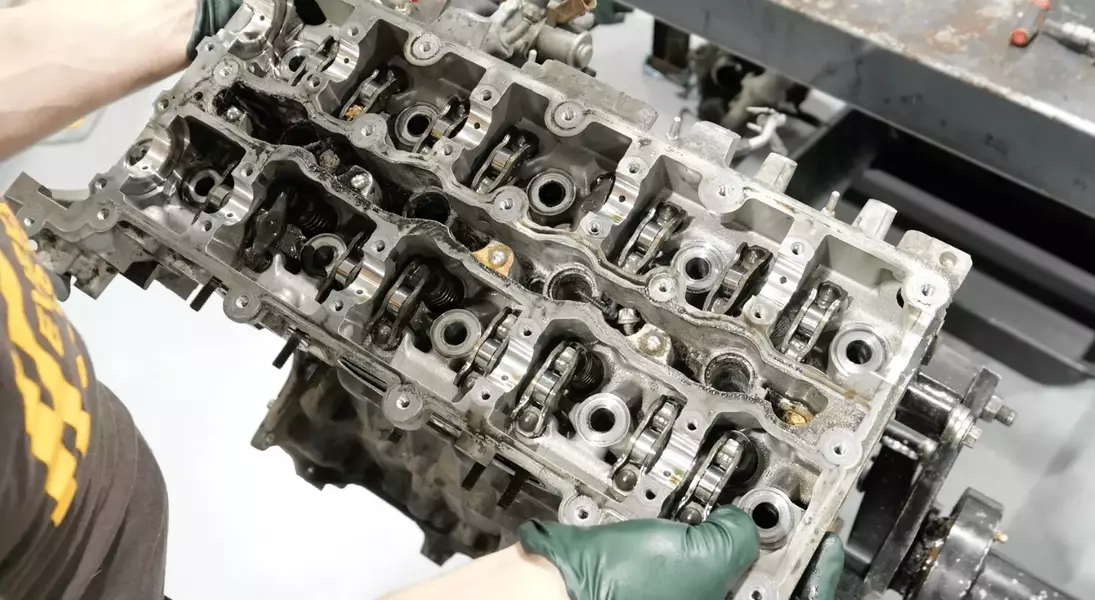
A recent investigation into a failed Mercedes-Benz OM651 diesel engine, believed to be from a 2015 GLK 250 BlueTEC 4MATIC, has shed light on the potential causes of its demise. This particular engine, known for its robust construction, displayed signs of internal distress, including metallic fragments in the oil filter, indicating wear within the system.
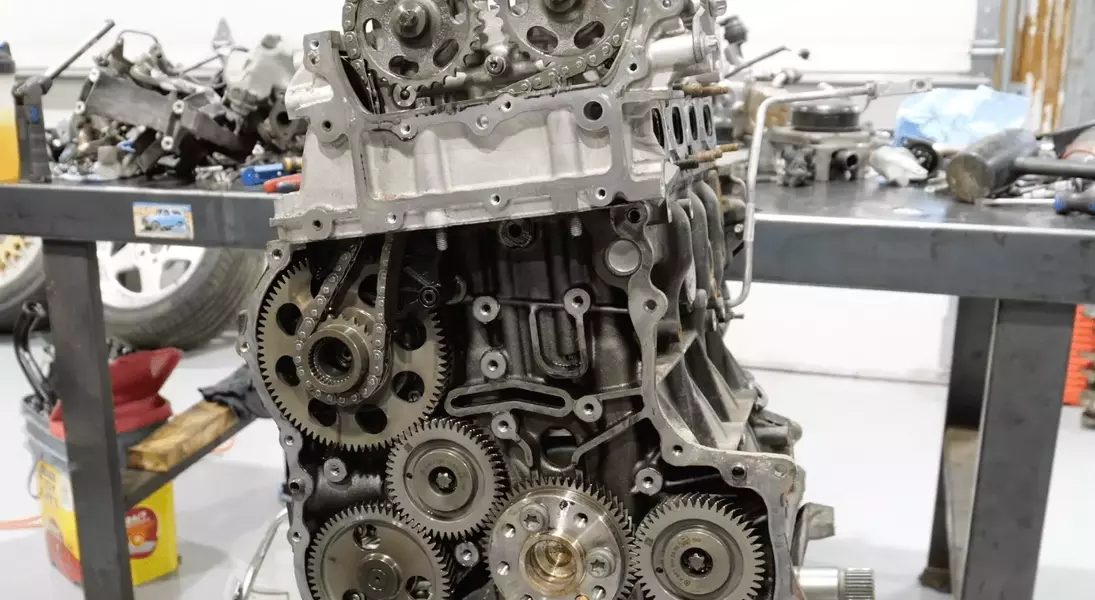
Further analysis showed more critical damage; one piston had collided with the cylinder head, leading to significant discoloration and probable bearing damage. This was further corroborated by the presence of copper-colored bearing material in the oil pan. Despite these severe internal issues, the engine's valvetrain and timing system remained in surprisingly good condition, suggesting that its overall design integrity was not compromised. It's speculated that the primary cause of failure was a lubrication issue.
Although the OM651 has been succeeded by the OM654, Mercedes-Benz has largely phased out diesel passenger cars in the U.S. market, focusing instead on other powertrain technologies. Today, diesel options for Mercedes-Benz are primarily found in commercial vehicles like the Sprinter, catering to a specific market segment. This detailed teardown offers valuable insights into the performance and longevity of complex automotive engineering.
Understanding the intricacies of engine design and the factors contributing to component failure is crucial for advancing automotive technology. Each challenge overcome in engineering contributes to greater innovation and the development of more durable and efficient vehicles for the future.
