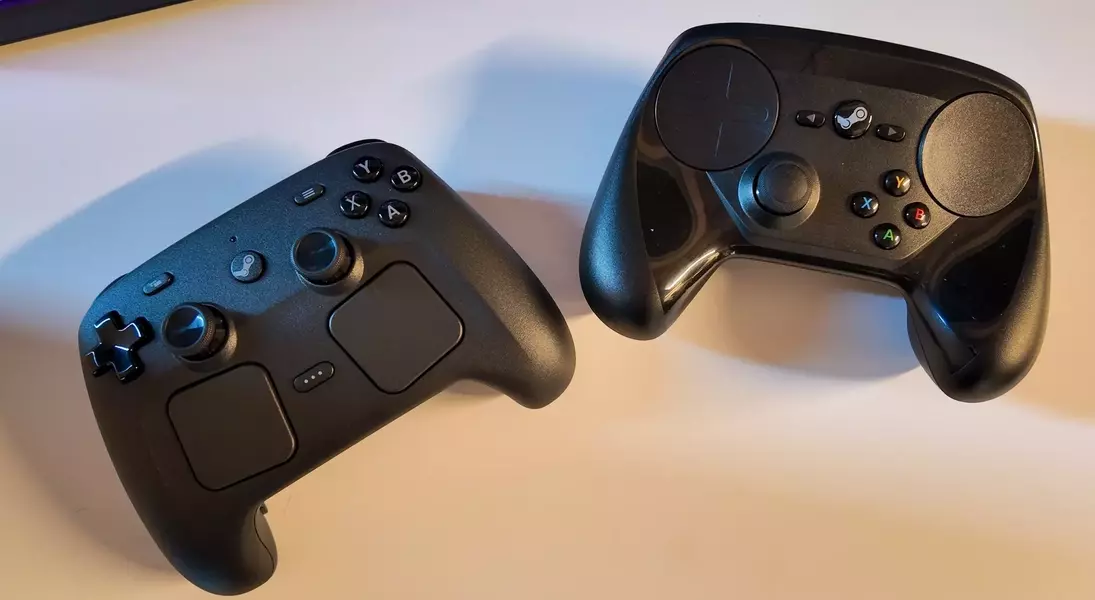
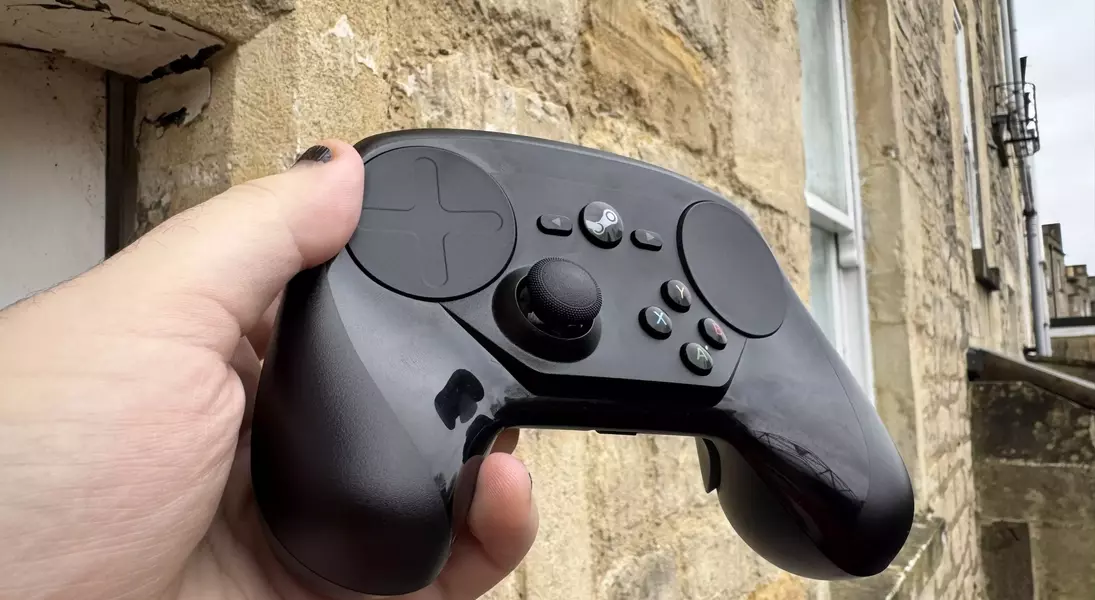
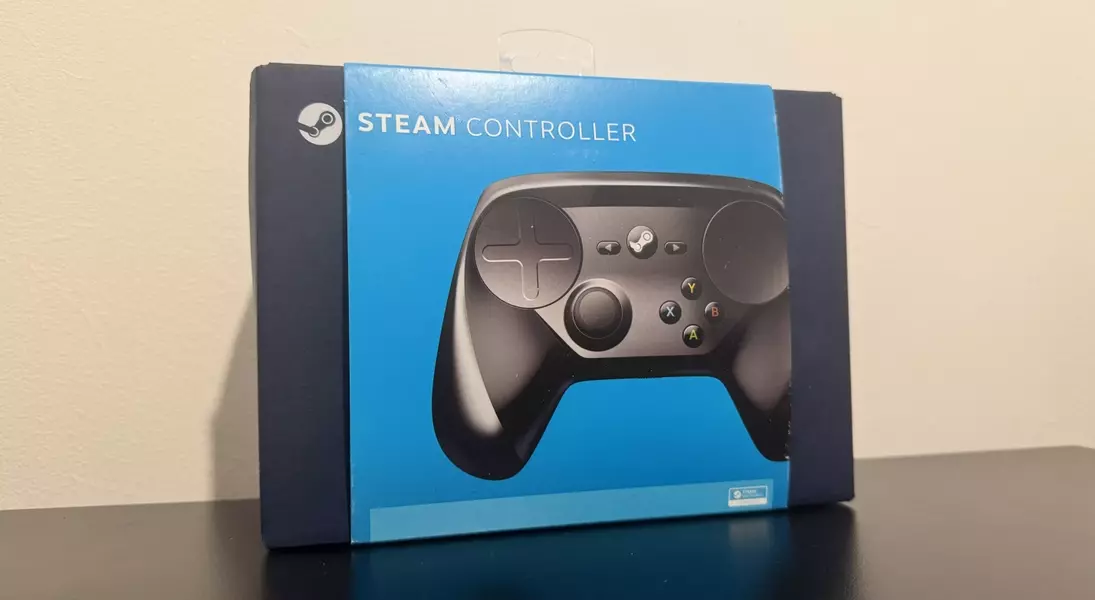
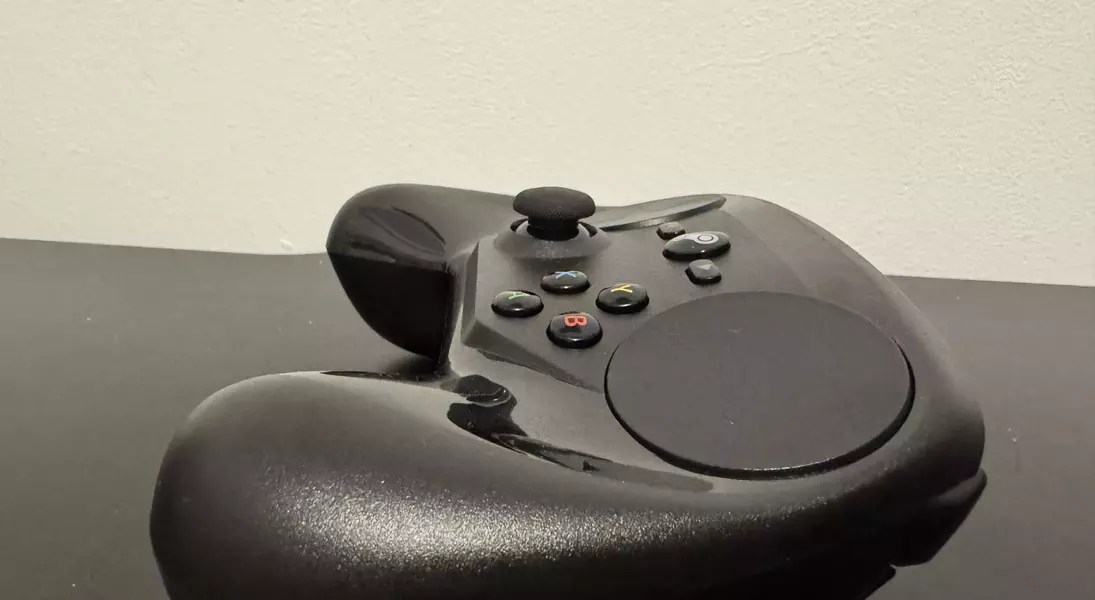
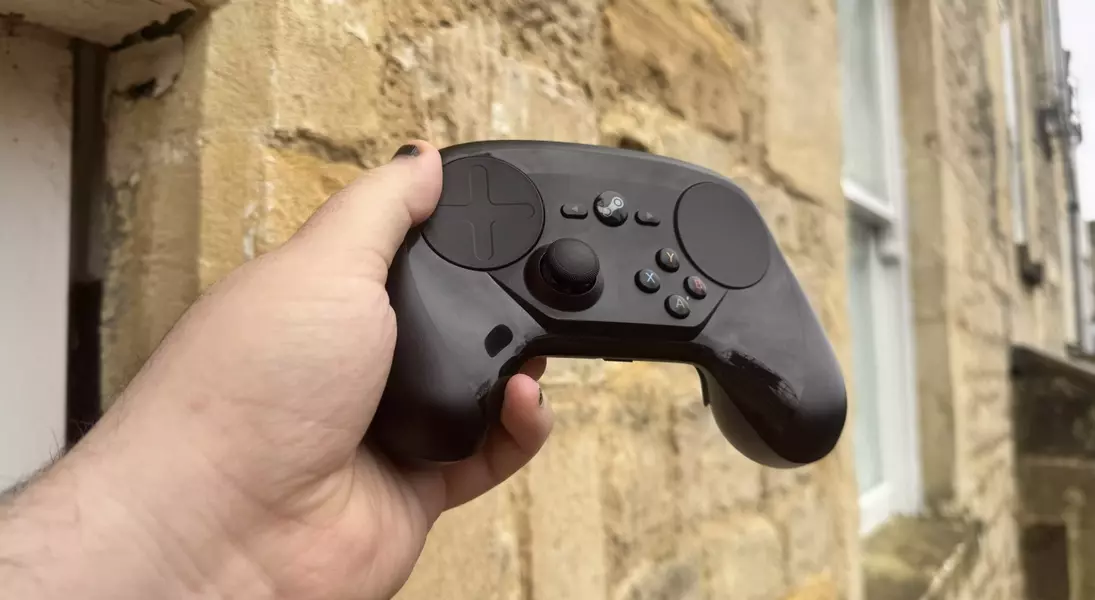
Ten years ago, Valve introduced the Steam Controller, a device that boldly deviated from conventional gamepad design by replacing the right thumbstick with a trackpad, and the D-pad with another. This design aimed to merge the precision of a mouse with the comfort of a controller, specifically for PC gaming on the couch. While the concept was intriguing, it presented a steep learning curve and a somewhat unconventional aesthetic, leading to mixed reactions from the gaming community and critics alike.
The Steam Controller's journey began with a rather lukewarm reception. Early impressions from events like GDC 2014 and its official launch in 2015 highlighted concerns about its usability, with many preferring the familiarity and effectiveness of an Xbox 360 controller. Even with a significant price drop to just $5 towards the end of its commercial life, widespread adoption remained elusive. However, its tenth anniversary and the recent announcement of a successor prompted a renewed look at this pioneering, albeit polarizing, piece of hardware.
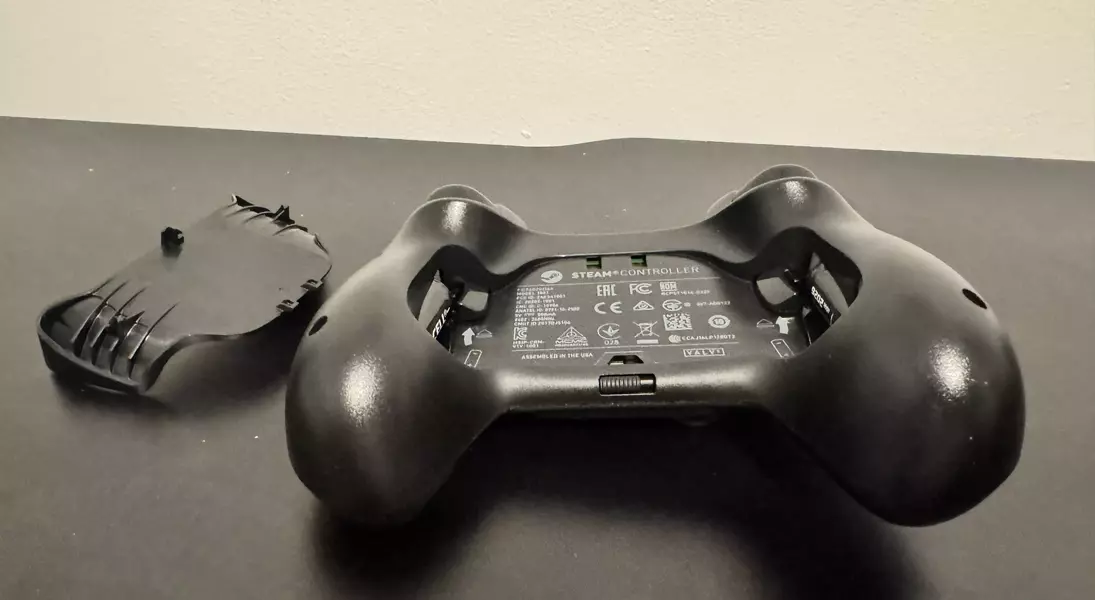
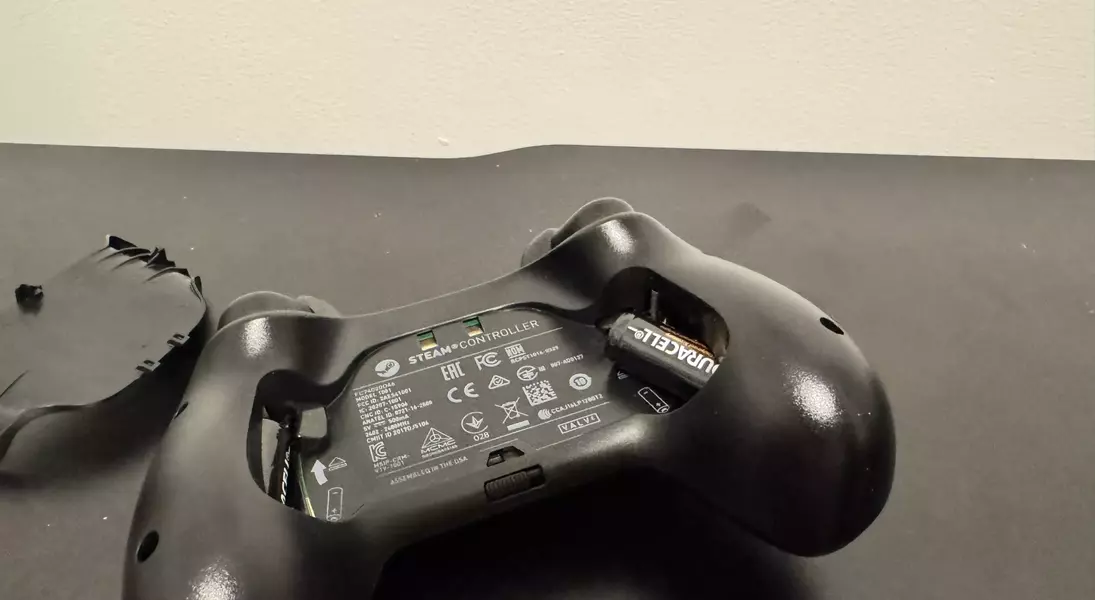
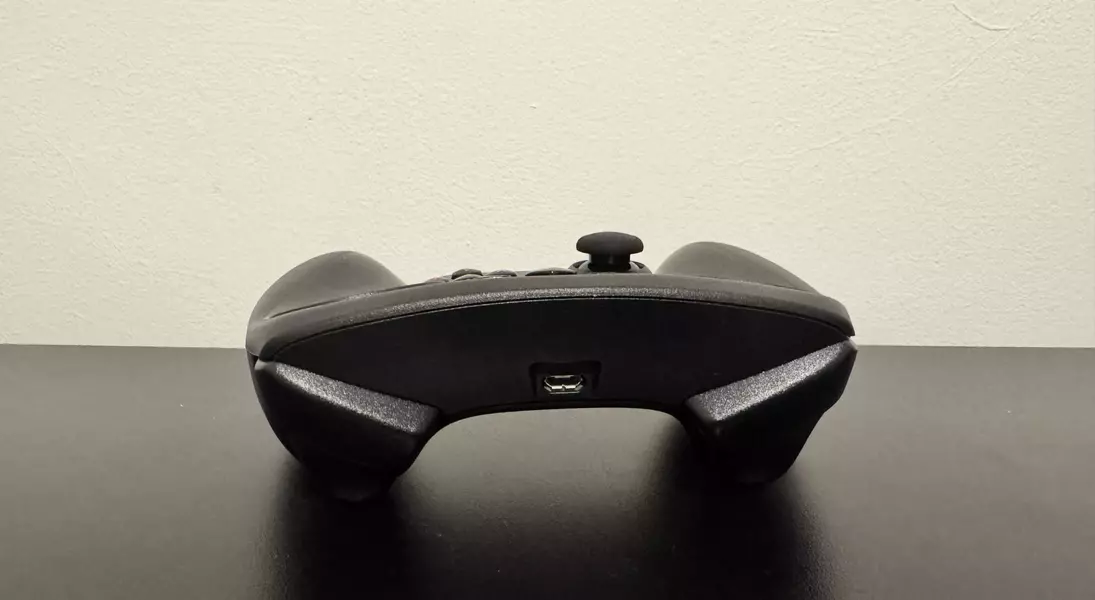
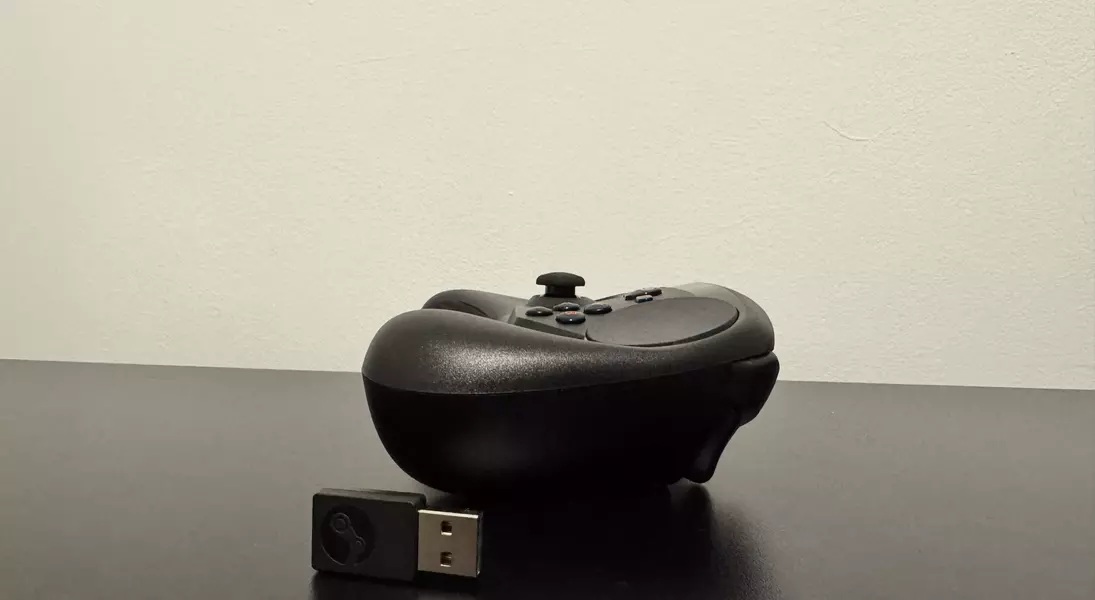
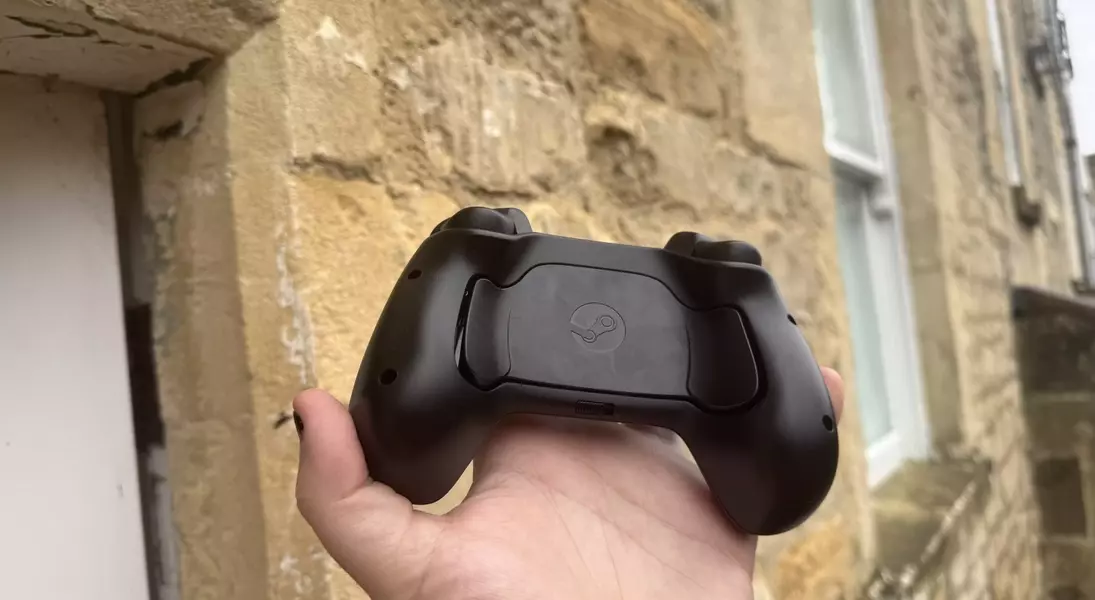
Upon closer inspection, the controller's build quality left much to be desired. Its design, characterized by a sunken side and the absence of a right thumbstick, was visually unappealing to some. The buttons, particularly the bumpers, produced an audible 'clack' and felt inexpensive, vibrating upon release. The trackpads, while central to its innovative design, emitted a noticeable ticking sound due to their haptics, which could only be mitigated by reducing feedback, thereby compromising functionality. Despite a clever battery system, the overall impression was one of a fragile, plastic-heavy device.
In practical gaming scenarios, the Steam Controller's performance was varied. In fast-paced first-person shooters like Counter-Strike 2, precision aiming was difficult, making snap shots challenging and less rewarding than with a mouse and keyboard or a standard controller. The necessity of using the trackpad for aiming often led to awkward thumb positioning, requiring users to hover their thumb to prevent accidental inputs. Traditional controller-centric games such as Rocket League also suffered, as the controller struggled to interpret inputs correctly, leading to rigid controls and jerky camera movements. This highlighted a fundamental challenge in bridging the gap between mouse/keyboard and traditional controller paradigms.
However, the Steam Controller's true potential emerged when playing games not traditionally optimized for controllers. In strategy titles like 'Against the Storm' and 'Crusader Kings 2', the trackpad offered a level of control superior to a typical controller, allowing for more precise navigation of menus and game environments. While not entirely replacing the efficiency of a mouse, it proved to be a viable alternative for couch gaming. The controller's ability to adapt to diverse control schemes through community-generated configurations further underscored its versatility in these genres. This adaptive quality hinted at the innovative vision behind its creation: to expand the types of games playable from the comfort of a living room.
Despite its initial flaws and commercial struggles, the Steam Controller proved to be a foundational piece of hardware for Valve. It served as a crucial stepping stone in the development of the highly successful Steam Deck. The lessons learned from its design, particularly the integration of dual trackpads and customizable input options, directly informed the Steam Deck's versatile control scheme. This heritage is also evident in the upcoming Steam Controller successor, which promises improved build quality and modern features, suggesting that Valve continues to refine its vision for innovative PC gaming peripherals.
Ultimately, the original Steam Controller, despite its unpolished aesthetics and some ergonomic shortcomings, represents an ambitious attempt to redefine PC gaming input. Its legacy is not found in widespread commercial success, but in its pioneering spirit and its direct contribution to the evolution of portable PC gaming with the Steam Deck. For those intrigued by unconventional gaming hardware and the historical trajectory of gaming innovation, the Steam Controller remains a fascinating artifact, embodying a unique blend of experimental design and influential impact.
