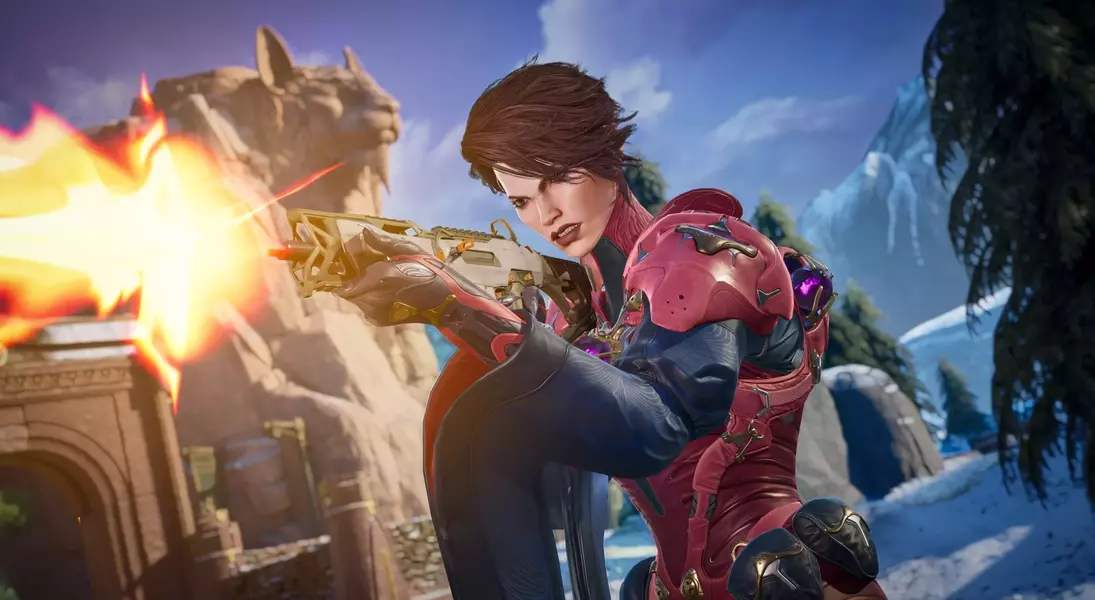
Since its debut at The Game Awards, the game known as Highguard has been mired in contention. From an initial reveal that was widely deemed awkward, to an unusual period of silence from its creators leading up to its release, the title has been plagued by skepticism. A significant portion of the gaming community swiftly dismissed it as a failure, drawing parallels to other much-anticipated but ultimately disappointing releases.
Regrettably, this animosity towards Highguard's very existence has overshadowed its launch. Despite achieving a substantial concurrent player count of nearly 100,000 on Steam, the game currently suffers from an overwhelmingly negative review score, sitting at a mere 33% 'mostly negative.' Such a low rating typically signifies a truly dreadful game; however, upon closer inspection, Highguard's actual quality stands far above this harsh assessment. It's understandable why initial reactions were critical—the game presents an unconventional mix of genres and deviates from the developer's established reputation for fluid movement shooters. Many had hoped for a successor to titles like Titanfall, and Highguard simply isn't that. Nevertheless, the game merits an unbiased opportunity to demonstrate its intrinsic value.
The current blend of genres within Highguard, while not flawlessly executed, is undeniably innovative. There is a distinctiveness to its gameplay that sets it apart from previous experiences, even if its individual components draw inspiration from other popular games. One might question the double standard in criticism, as other recent successes, such as Marvel Rivals and Arc Raiders, have not encountered similar condemnation, despite not radically reinventing gaming conventions. The premature labeling of Highguard as a commercial failure, reinforced by negative review campaigns, carries dire consequences. This trend risks stifling creative development within the industry, discouraging studios from exploring novel concepts due to fear of immediate backlash. In an environment already challenging for new ventures, such punitive reactions can be profoundly detrimental.
Ultimately, while Highguard may not be without flaws, especially concerning performance and content, it has the potential to evolve and improve. Dismissing it outright through aggressive criticism does a disservice to the developers and to the future of innovative game design. Constructive feedback is invaluable for growth, but a campaign of negativity can crush a game before it has a chance to flourish. Allowing Highguard to mature, with the possibility of future updates and refinements, could transform it into something truly special. It is crucial for the gaming community to foster an environment where novel ideas can thrive and games are given the space to prove their worth, rather than being condemned prematurely.
