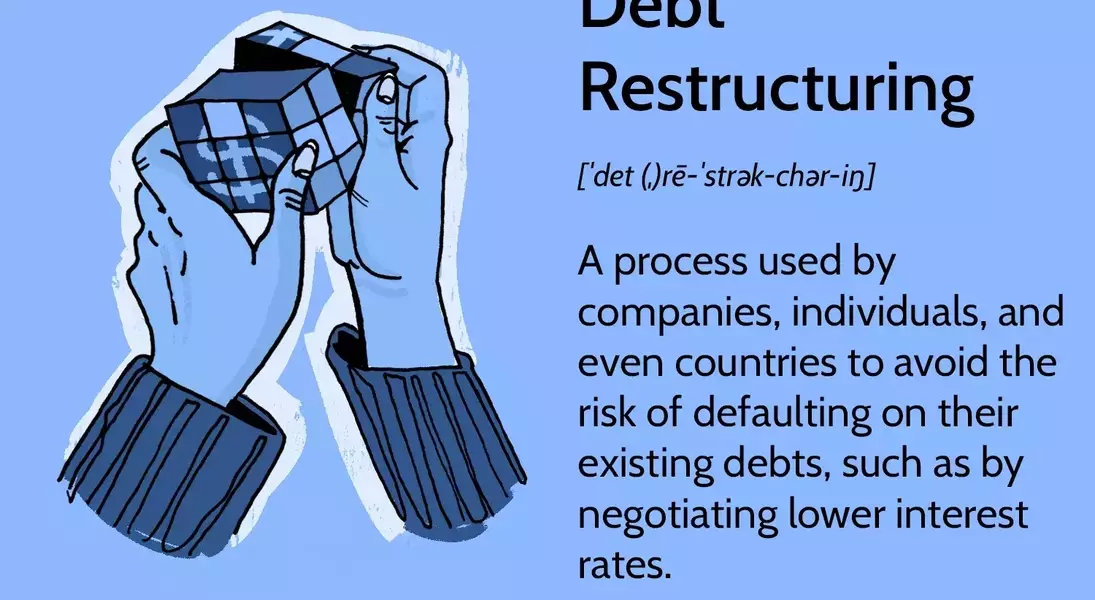
When facing significant financial challenges, whether as an individual, a corporation, or even a nation, a strategic approach known as debt restructuring offers a crucial alternative to the severe consequences of bankruptcy. This process involves carefully revising the terms of existing debt obligations to enhance financial viability and avert potential defaults. By engaging with creditors, debtors can seek modifications such as reduced interest rates, extended repayment periods, or even the conversion of debt into equity, creating a more manageable financial landscape.
Debt restructuring is a multifaceted tool, with its application varying across different entities. For businesses, a common strategy is a debt-for-equity swap, where creditors exchange a portion of their claims for ownership in the company, demonstrating a commitment to the firm's long-term survival. Companies might also renegotiate with bondholders, requesting a 'haircut'—a reduction in outstanding interest or principal—or issue callable bonds to retain flexibility in future debt management. Similarly, sovereign states often negotiate with international creditors to re-align repayment terms for their national debt, sometimes shifting private sector burdens to public institutions to cushion economic impacts. Individuals, too, can engage in personal debt restructuring, either independently or through reputable debt relief agencies, although vigilance against scams is paramount.
Ultimately, debt restructuring provides a vital mechanism for all parties involved to navigate financial distress collaboratively. By prioritizing negotiation and compromise over the disruptive path of bankruptcy, this process aims to create outcomes that are more favorable for debtors, allowing them to rebuild their financial health, and for creditors, who can maximize their recovery. It underscores the importance of proactive financial management and strategic problem-solving in mitigating economic crises.
